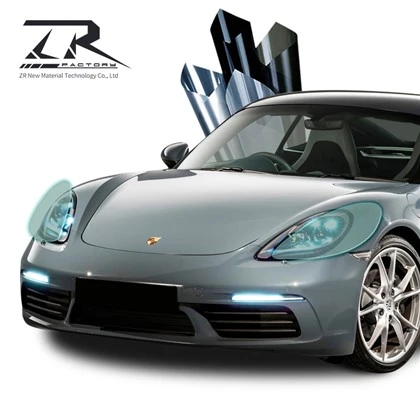


When it comes to tinting an old car, there are indeed several special considerations that car owners and tint installers need to take into account. As a supplier of Car Window Tint Film, I've witnessed firsthand the unique challenges and opportunities that come with tinting older vehicles. In this blog post, I'll delve into these considerations to help you make informed decisions when tinting your old car.
1. Window Condition
One of the primary concerns when tinting an old car is the condition of the windows. Over time, windows can develop scratches, chips, or other forms of damage. These imperfections can affect the application of the tint film and may even cause the film to bubble or peel over time. Before applying tint, it's crucial to thoroughly inspect the windows for any signs of damage. If minor scratches are present, they can often be buffed out using a fine-grit sandpaper or a scratch remover. However, if the damage is extensive, it may be necessary to replace the window before tinting.
2. Window Seal Integrity
Another important consideration is the integrity of the window seals. Old cars may have seals that are worn or damaged, which can allow moisture to seep in between the window and the tint film. This can lead to a variety of issues, including mold growth, fogging, and premature film failure. Before tinting, it's essential to check the window seals for any signs of wear or damage. If the seals are in poor condition, they should be replaced to ensure a proper seal and prevent moisture from entering.
3. Heat and UV Protection
While tinting a car can provide a range of benefits, including heat reduction and UV protection, the effectiveness of the tint may be reduced in an old car. Older vehicles may have windows that are more prone to heat absorption, which can make it more challenging to achieve the desired level of heat reduction. Additionally, the UV protection provided by the tint may be less effective if the windows are already damaged or have a high level of UV exposure. When selecting a tint film for an old car, it's important to choose a film that offers high levels of heat and UV protection. Look for films that are specifically designed for older vehicles and have a high solar heat rejection rating.
4. Compatibility with Existing Interior
When tinting an old car, it's important to consider the compatibility of the tint film with the existing interior. Older vehicles may have unique interior colors and materials that can be affected by the tint. For example, a dark tint may make the interior of the car appear darker and more claustrophobic, while a light tint may not provide enough privacy. Before selecting a tint film, it's a good idea to test a sample of the film on the window to see how it looks with the existing interior. This can help you choose a tint that complements the overall look of the car.
5. Legal Requirements
Before tinting an old car, it's important to familiarize yourself with the legal requirements in your area. Tinting laws vary from state to state and country to country, and it's essential to ensure that the tint you choose complies with the local regulations. Some states have strict limits on the darkness of the tint, while others have specific requirements for the type of film that can be used. Failure to comply with the legal requirements can result in fines or other penalties. To avoid any legal issues, be sure to check the tinting laws in your area before applying the film.
6. Professional Installation
While it's possible to tint a car yourself, it's generally recommended to have the tint installed by a professional. Professional installers have the experience and expertise to ensure that the tint is applied correctly and that it adheres properly to the windows. They also have access to high-quality tools and materials that can help ensure a long-lasting and professional-looking installation. When choosing a professional installer, be sure to do your research and choose a reputable company that has a proven track record of providing high-quality tinting services.
7. Additional Protection Options
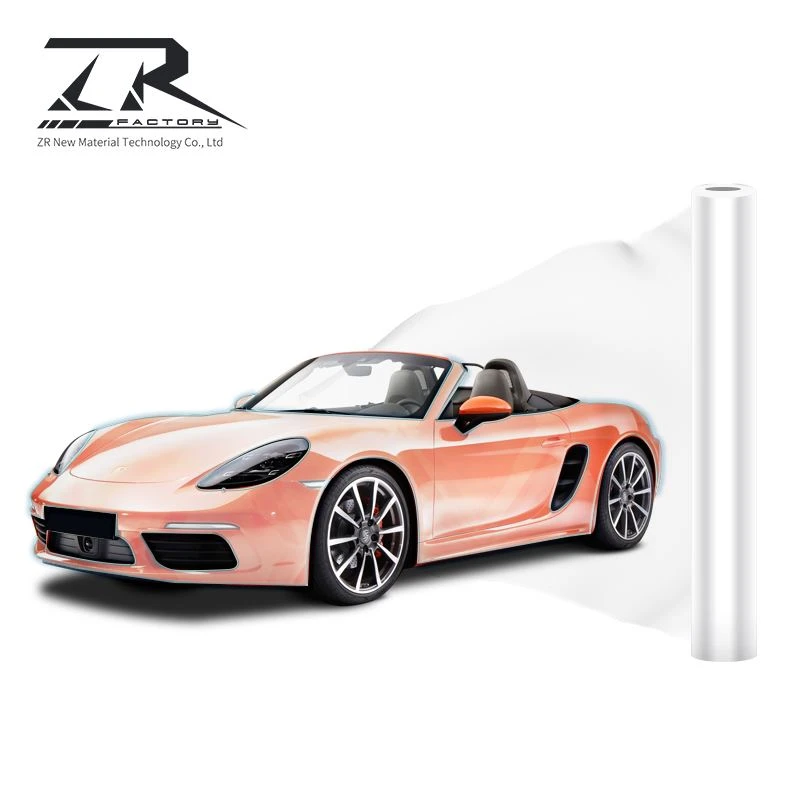
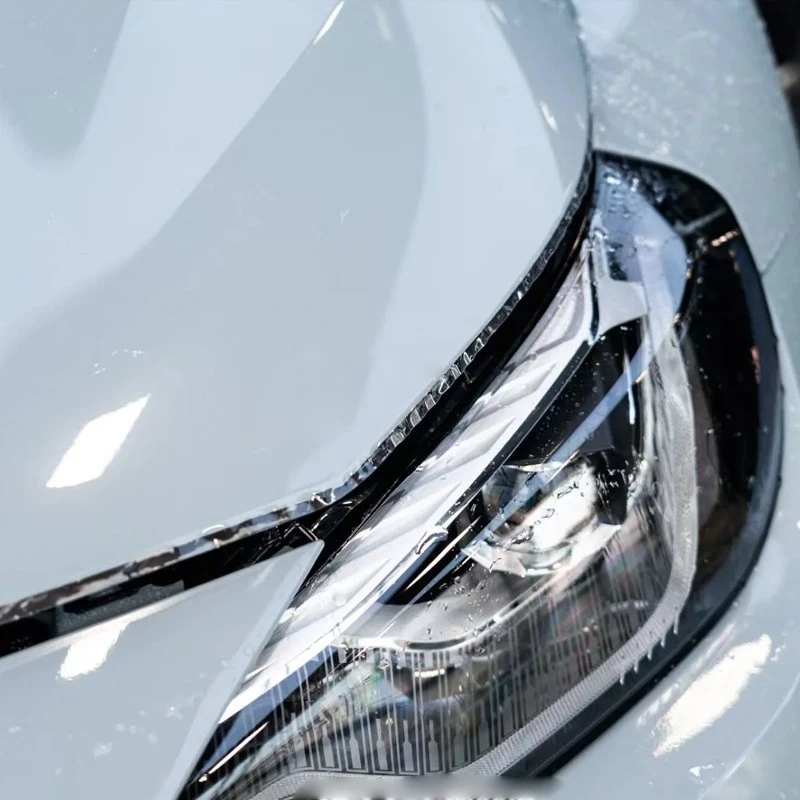
In addition to window tinting, there are several other protection options available for old cars. These options can help protect the car's paint, interior, and other components from damage. For example, Whole Car Paint Protection Film can provide a layer of protection against scratches, chips, and other forms of damage. Invisible Clear Bra for Cars is another option that can help protect the car's paint from damage caused by road debris, bugs, and other hazards. Car Protection Film Self Healing is a type of film that can repair minor scratches and swirl marks on its own, helping to keep the car looking new.
Conclusion
Tinting an old car can be a great way to enhance its appearance, improve its comfort, and protect its interior. However, it's important to take into account the unique considerations that come with tinting an older vehicle. By considering the window condition, window seal integrity, heat and UV protection, compatibility with the existing interior, legal requirements, professional installation, and additional protection options, you can ensure that your old car looks great and performs well for years to come.
If you're interested in tinting your old car or learning more about our Car Window Tint Film products, please don't hesitate to contact us. We'd be happy to answer any questions you may have and help you choose the right tint for your vehicle.
References
- American Automobile Association (AAA). (n.d.). Window Tinting Laws. Retrieved from [AAA Website]
- International Window Film Association (IWFA). (n.d.). Window Tinting Guidelines. Retrieved from [IWFA Website]