

As a supplier of architectural film, I've often been asked whether our products can be applied to historical buildings. This is a complex question that involves considerations of preservation, aesthetics, and functionality. In this blog post, I'll explore the potential uses of architectural film on historical buildings, weighing the benefits against the possible drawbacks.
The Benefits of Architectural Film for Historical Buildings
Energy Efficiency
One of the primary advantages of using architectural film on historical buildings is energy efficiency. Many historical buildings have old, single-pane windows that are not well-insulated. This can lead to significant heat loss in the winter and heat gain in the summer, resulting in high energy costs. Architectural film can help to improve the insulation properties of windows, reducing the amount of energy needed to heat and cool the building.
For example, our Titan Guard Series Building Window Film - Heavy-Duty Security Heat Insulation Building Film is designed to provide excellent heat insulation. It can block a large percentage of solar heat, keeping the interior of the building cooler in the summer. In the winter, it can also help to retain heat, reducing the need for excessive heating. This not only saves energy but also helps to extend the lifespan of the building's heating and cooling systems.
UV Protection
Historical buildings often contain valuable artifacts, artwork, and furnishings that are sensitive to ultraviolet (UV) light. Prolonged exposure to UV rays can cause fading, discoloration, and deterioration of these items. Architectural film can provide effective UV protection, blocking up to 99% of UV rays.
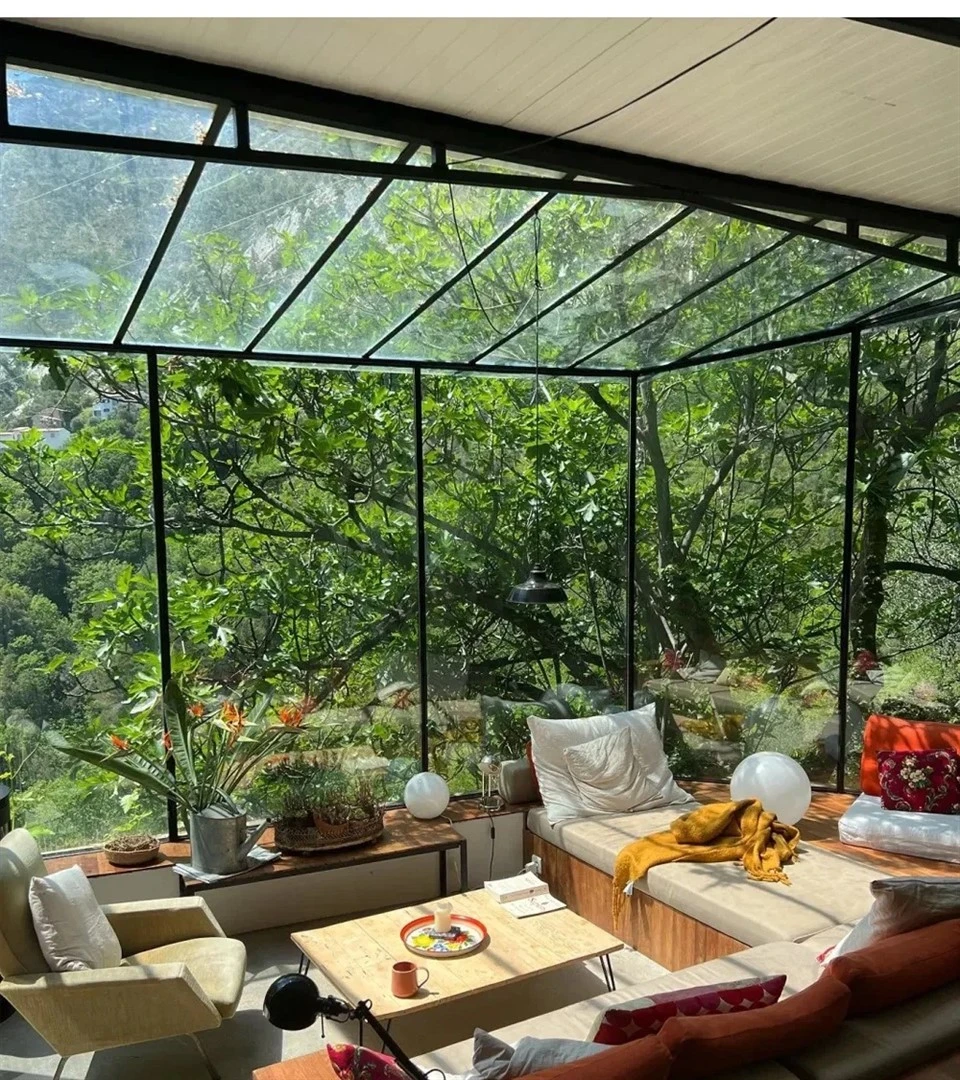
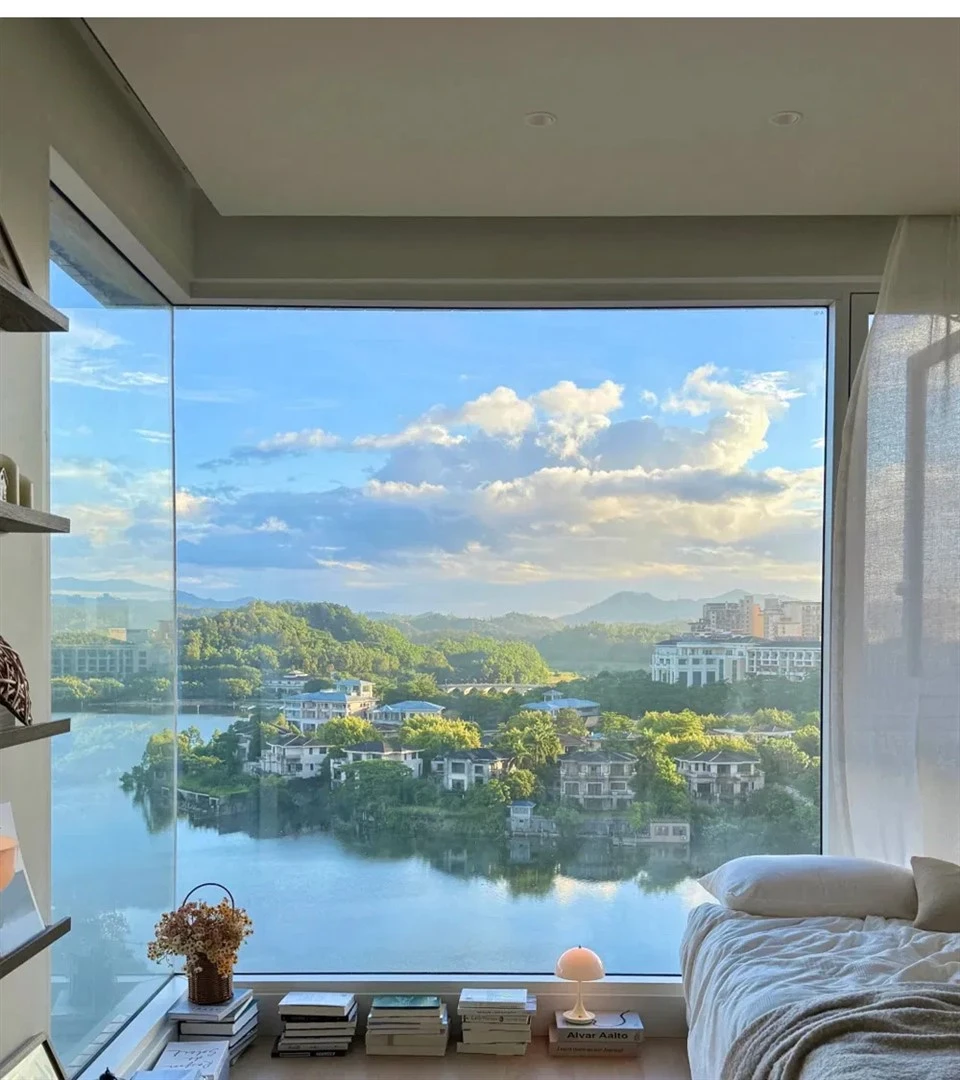
Our Clarityview Series Building Window Film - High Transparency Heat Insulation UV Protection is specifically formulated to offer high transparency while providing excellent UV protection. This means that it allows natural light to enter the building while protecting the interior contents from the harmful effects of UV radiation. This is particularly important for historical buildings that are open to the public, as it helps to preserve the integrity of the historical artifacts and displays.
Safety and Security
Another benefit of using architectural film on historical buildings is safety and security. Old windows in historical buildings may be more prone to breakage, which can pose a risk to the occupants and the building's contents. Architectural film can help to hold the glass together in the event of breakage, reducing the risk of injury from flying glass shards.
Our Titan Guard Series also offers heavy-duty security features. It can make the windows more resistant to impact, such as from vandalism or severe weather. This added layer of security can provide peace of mind for the owners and caretakers of historical buildings.
Aesthetic Enhancement
In some cases, architectural film can also enhance the aesthetics of historical buildings. Reflective films, for example, can add a modern touch while still maintaining the historical character of the building. Our Reflective Series Building Window Film - Solar Heat Rejection Glare Reduction Privacy Film can reduce glare and provide privacy while adding a sleek and contemporary look to the windows.
The Challenges of Using Architectural Film on Historical Buildings
Preservation Concerns
One of the main challenges of using architectural film on historical buildings is preservation. Historical buildings are often protected by local, state, or national regulations that aim to preserve their historical and architectural integrity. Applying architectural film to the windows may be seen as altering the original appearance of the building, which could be in violation of these regulations.
Before applying architectural film to a historical building, it is essential to consult with the relevant preservation authorities. They can provide guidance on whether the use of architectural film is permitted and what types of film are appropriate. In some cases, they may require specific testing or documentation to ensure that the film will not cause any long-term damage to the building.
Compatibility with Historical Materials
Another challenge is ensuring the compatibility of the architectural film with the historical materials of the building. Historical windows may be made of different types of glass, such as leaded or stained glass, which may require special handling. Some films may not adhere properly to these types of glass or may cause damage over time.
It is crucial to work with a professional installer who has experience working with historical buildings. They can assess the condition of the windows and recommend the most suitable type of film. Additionally, the installer should conduct thorough testing to ensure that the film will not cause any adverse effects on the historical materials.
Long-Term Effects
The long-term effects of using architectural film on historical buildings are still not fully understood. While architectural film has been used for many years in modern buildings, its use on historical buildings is relatively new. There is a concern that the film may cause damage to the glass or the surrounding materials over time, such as discoloration or peeling.
To address this concern, it is important to choose high-quality architectural film from a reputable supplier. Our company uses advanced manufacturing techniques and high-grade materials to ensure the durability and performance of our films. We also offer a warranty on our products, providing peace of mind for the customers.
Case Studies
To illustrate the potential uses of architectural film on historical buildings, let's look at a few case studies.
The Old Town Hall
The Old Town Hall is a historic building in a small town. The building had old, single-pane windows that were causing high energy costs and allowing excessive UV light to enter the building. The town council decided to install our Clarityview Series Building Window Film to address these issues.
After the installation, the energy costs of the building were significantly reduced. The interior temperature became more stable, and the UV protection provided by the film helped to preserve the historical artifacts and furnishings inside the building. The film also had a minimal impact on the appearance of the building, as it was highly transparent.
The Museum of Art
The Museum of Art is a large historical building that houses a valuable collection of artwork. The museum was facing the problem of glare and heat gain from the windows, which was affecting the viewing experience for the visitors and causing damage to the artwork. The museum management decided to install our Reflective Series Building Window Film.
The reflective film effectively reduced the glare and heat gain, creating a more comfortable environment for the visitors. It also provided privacy for the museum's collection, while still allowing natural light to enter the building. The film's sleek and modern appearance added a contemporary touch to the historical building without compromising its historical character.
Conclusion
In conclusion, architectural film can be a viable option for historical buildings, offering numerous benefits such as energy efficiency, UV protection, safety, and aesthetic enhancement. However, it is important to approach the use of architectural film on historical buildings with caution. Preservation concerns, compatibility with historical materials, and long-term effects need to be carefully considered.
If you are considering using architectural film on a historical building, I encourage you to contact us for more information. Our team of experts can provide you with detailed advice on the most suitable type of film for your specific needs. We can also assist you in working with the relevant preservation authorities to ensure that the installation of the film complies with all regulations.
Let's work together to preserve the historical integrity of our buildings while enjoying the benefits of modern technology. Contact us today to start the conversation about your architectural film needs.
References
- "Preservation Guidelines for Historical Buildings." National Trust for Historic Preservation.
- "The Impact of Architectural Film on Energy Efficiency in Buildings." Journal of Building Science.
- "UV Protection and Its Importance for Historical Artifacts." Museum Conservation Institute.