


Hey there! As an architectural film supplier, I've been getting a lot of questions lately about whether architectural film can actually reduce energy consumption in buildings. Well, I'm here to tell you that it definitely can, and I'm gonna break it down for you.
First off, let's talk about how buildings lose energy. A big culprit is through the windows. Windows can let in a ton of heat during the summer and let out heat during the winter. This means your HVAC system has to work overtime to keep the building at a comfortable temperature, which uses up a whole lot of energy and drives up your utility bills.
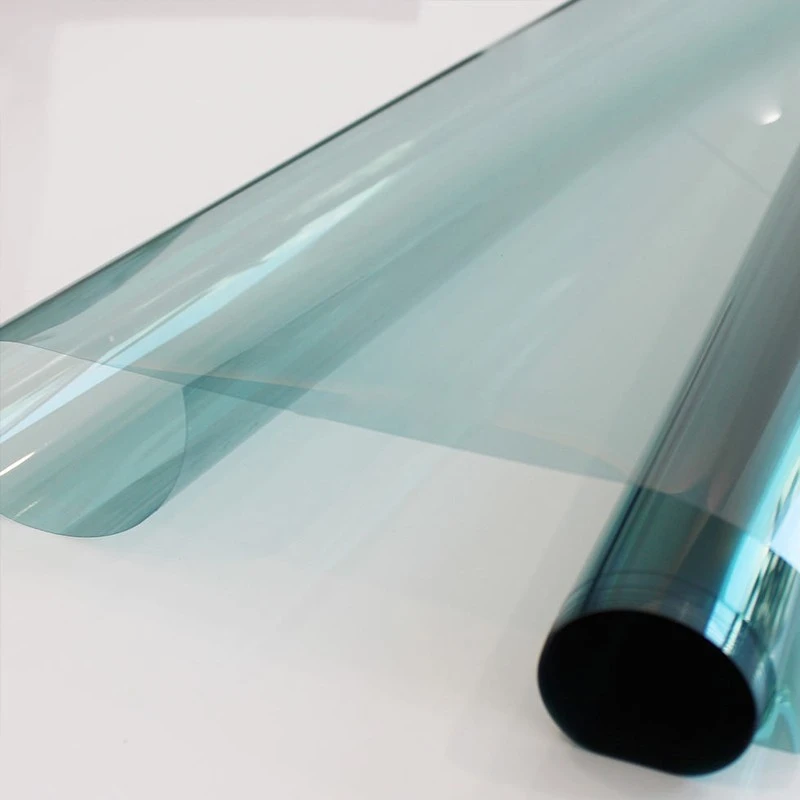
That's where architectural film comes in. Architectural film is a thin, multi - layer material that can be applied to the interior or exterior of windows. It's designed to block out a significant amount of the sun's heat and UV rays while still allowing natural light to come in.
Let's start with the summer. During hot months, the sun beats down on buildings, and a large portion of that solar energy enters through the windows. This heat gain can make the indoor environment uncomfortably warm. But when you apply architectural film, especially those in the Reflective Series Building Window Film - Solar Heat Rejection Glare Reduction Privacy Film, it acts like a shield. These films are engineered to reflect a high percentage of the sun's infrared radiation, which is the part of the solar spectrum that carries heat.
For example, the Sliver - Reflective Series Building Window Film - Premium Solar Control Reflective Window Tint has a high solar heat rejection rate. This means that less heat gets into the building, so your air - conditioning system doesn't have to work as hard. You can set your thermostat a bit higher and still maintain a comfortable temperature, which directly translates to energy savings.
In the winter, the story is a bit different but equally important. Windows are a major source of heat loss in buildings. Heat from inside the building can escape through the glass, and cold air from outside can seep in. Some architectural films have insulating properties that help to reduce this heat transfer. They create a barrier that slows down the movement of heat, keeping the warm air inside the building. This reduces the workload on your heating system, leading to less energy consumption.
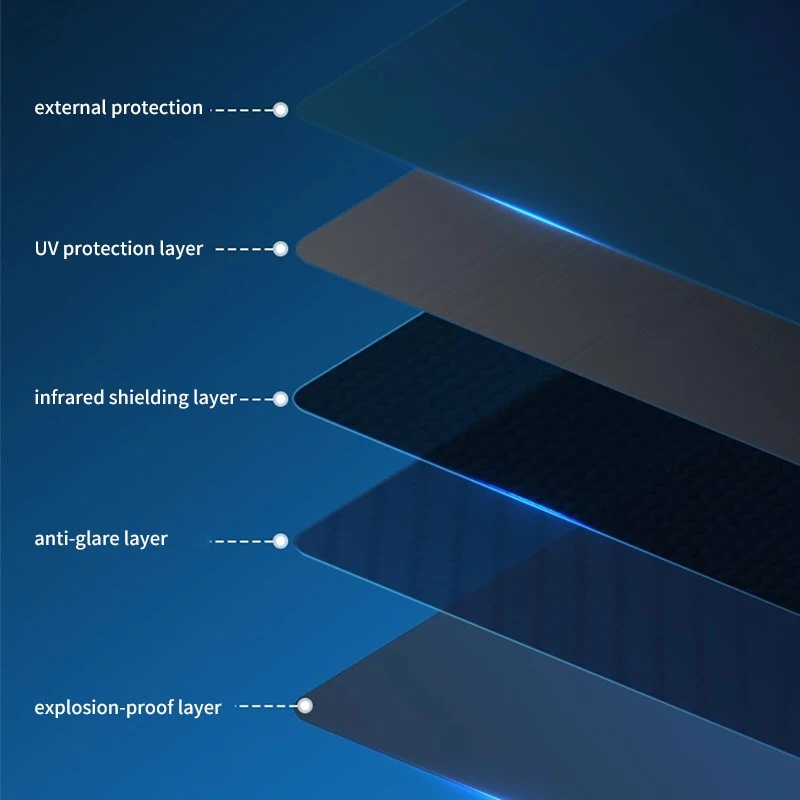
Another aspect to consider is glare reduction. Glare from the sun can be a real nuisance in buildings, especially in offices and commercial spaces. It can cause eye strain for employees and make it difficult to work on computer screens. Architectural films can significantly reduce glare without sacrificing too much natural light. When glare is reduced, you may not need to rely as much on artificial lighting during the day. This not only saves energy but also creates a more pleasant working environment.
Now, let's talk about the different types of architectural films available. There are exterior and interior films. The Exterior Architecture Window Film is installed on the outside of the windows. It offers excellent protection against the elements and can be very effective at blocking solar heat right at the source. Interior films, on the other hand, are easier to install and can be a great option for retrofit projects.
One of the great things about architectural film is that it's a cost - effective solution. Compared to replacing windows, which can be a very expensive and time - consuming process, applying architectural film is relatively quick and affordable. You can achieve a significant reduction in energy consumption with a much lower upfront investment.
Moreover, architectural film is not just about energy savings. It also offers other benefits. For instance, it can protect your furniture, carpets, and artwork from fading due to UV rays. It can also enhance privacy in your building without sacrificing the view.
In terms of the science behind it, studies have shown that well - selected architectural films can reduce solar heat gain by up to 78%. This is a huge reduction, and it has a direct impact on energy consumption. According to some research, buildings with architectural film can save anywhere from 10% to 30% on their energy bills.
If you're a building owner or manager, you're probably thinking about the return on investment. Well, the payback period for architectural film is usually quite short. In many cases, you can recoup the cost of the film within a couple of years through energy savings alone. And after that, it's all profit in terms of lower utility bills.
So, if you're looking to make your building more energy - efficient, reduce your carbon footprint, and save some money in the process, architectural film is definitely worth considering. Whether it's a commercial building, a residential property, or an industrial facility, there's an architectural film solution that can meet your needs.
If you're interested in learning more about our architectural films or want to discuss a potential project, don't hesitate to reach out. We're here to help you find the best film for your building and answer any questions you might have. Let's work together to make your building more energy - efficient and sustainable.
References
- "Energy - Efficient Window Films: A Cost - Effective Solution for Buildings", Energy Research Journal
- "The Impact of Architectural Films on Solar Heat Gain and Energy Consumption", Building Science Magazine