


Hey there! As a supplier of Ceramic Tint, I often get asked if it can be used on greenhouses. Well, let's dive right into this topic and find out.
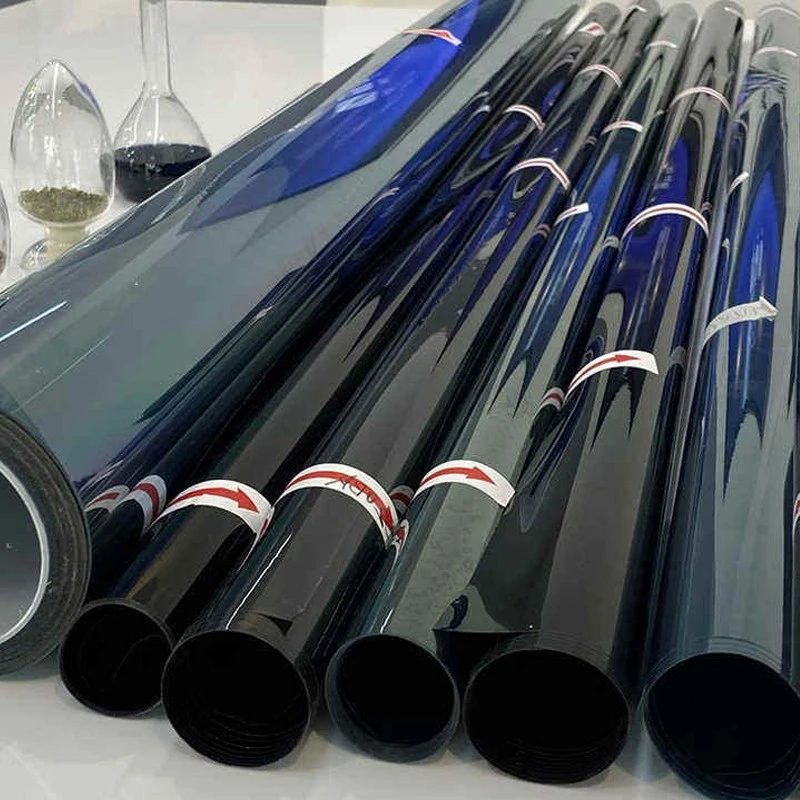
First off, what is Ceramic Tint? Ceramic Tint is a high - tech window film that's known for its excellent heat rejection and UV protection. You can learn more about it here: Ceramic Tint. It's commonly used in cars and buildings, but the question is, can it work for greenhouses?
The Benefits of Using Ceramic Tint on Greenhouses
Heat Control
One of the biggest advantages of using Ceramic Tint on greenhouses is heat control. Greenhouses can get extremely hot, especially during the summer months. Excessive heat can damage plants, causing wilting, reduced growth, and even death. Ceramic Tint can block a significant amount of solar heat, keeping the interior of the greenhouse at a more stable and comfortable temperature for plants.
For example, in a regular greenhouse without tint, the temperature can soar to over 100°F (37.8°C) on a sunny day. But with Ceramic Tint, the temperature can be reduced by 10 - 20°F (5.6 - 11.1°C), which is a huge difference for the plants. This means that you can grow a wider variety of plants that might otherwise struggle in the intense heat.
UV Protection
Another important benefit is UV protection. Ultraviolet rays can be harmful to plants, causing damage to their DNA, reducing photosynthesis, and making them more susceptible to diseases. Ceramic Tint can block up to 99% of UV rays, providing a shield for your plants. This helps to keep the plants healthy and looking their best.
Glare Reduction
Glare can be a problem in greenhouses, especially when the sun is at its peak. It can make it difficult to see inside the greenhouse and can also cause stress to the plants. Ceramic Tint reduces glare, making it easier to work inside the greenhouse and providing a more comfortable environment for the plants.
Potential Drawbacks
Light Reduction
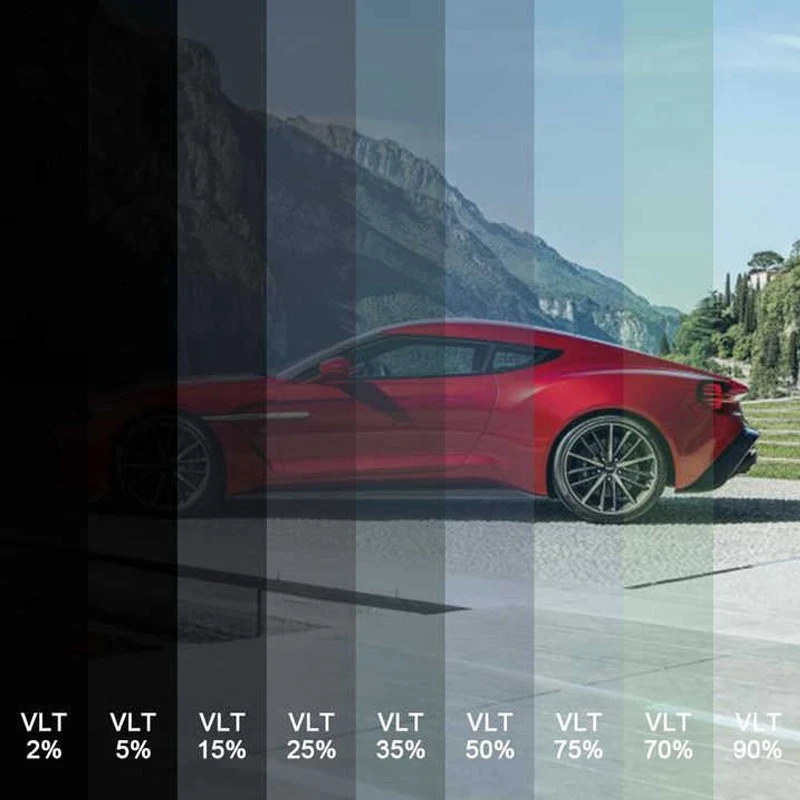
One of the potential drawbacks of using Ceramic Tint on greenhouses is that it reduces the amount of light that enters the greenhouse. While some plants can tolerate lower light levels, others need a lot of sunlight to grow properly. If you're growing plants that require full sun, you need to be careful when choosing a Ceramic Tint. You might need to select a tint with a lower level of light reduction or use it in combination with artificial lighting.
Cost
Ceramic Tint can be more expensive than other types of window films. The initial cost of purchasing and installing the tint can be a significant investment. However, when you consider the long - term benefits such as energy savings and plant health, it might be worth the cost.
Installation Considerations
Installing Ceramic Tint on a greenhouse is a bit different from installing it on a car or a building. Greenhouses usually have large, flat surfaces, which can make the installation process easier in some ways. However, you need to make sure that the tint is installed properly to avoid air bubbles and wrinkles.
It's also important to choose the right type of Ceramic Tint for your greenhouse. There are different levels of heat rejection, light transmission, and UV protection available. You should consider the specific needs of your plants and the climate in your area when making your selection.
Comparing with Other Window Tints
There are other types of window tints available, such as Window Tint and Car Tint. While these tints can also provide some heat and UV protection, Ceramic Tint is generally considered to be of higher quality.
Ceramic Tint uses advanced ceramic particles that are more effective at blocking heat and UV rays compared to other types of tints. It also doesn't fade or discolor over time, which means that it will maintain its performance for a long time.
Real - World Examples
There are many greenhouse owners who have successfully used Ceramic Tint. For instance, a flower grower in California installed Ceramic Tint on his greenhouse and noticed a significant improvement in the health of his flowers. The temperature inside the greenhouse was more stable, and the flowers were less stressed. As a result, he was able to increase his yield and improve the quality of his flowers.
Conclusion
So, can Ceramic Tint be used on greenhouses? The answer is yes! It offers many benefits such as heat control, UV protection, and glare reduction. However, you need to consider the potential drawbacks, such as light reduction and cost. If you're a greenhouse owner looking for a way to improve the environment for your plants, Ceramic Tint is definitely worth considering.
If you're interested in purchasing Ceramic Tint for your greenhouse, I'd love to have a chat with you. We can discuss your specific needs and find the best solution for your greenhouse. Don't hesitate to reach out and start the conversation about how Ceramic Tint can transform your greenhouse.
References
- Research on the effects of window tints on plant growth in greenhouses.
- Case studies of greenhouse owners using Ceramic Tint.