

Can UV Blocking Film be used on Glass Facades of Buildings?
As a supplier of UV blocking film, I've often been asked whether our product can be used on the glass facades of buildings. This is a question that combines both practical concerns and scientific principles. In this blog, I'll delve into the feasibility, benefits, and considerations of using UV blocking film on building glass facades.
The Science Behind UV Blocking Film
Before discussing its application on building glass facades, it's essential to understand how UV blocking film works. Ultraviolet (UV) rays are a part of the electromagnetic spectrum emitted by the sun. There are three types of UV rays: UVA, UVB, and UVC. UVC is mostly absorbed by the Earth's atmosphere, but UVA and UVB can reach the surface and cause various problems, such as skin aging, sunburn, and damage to materials.
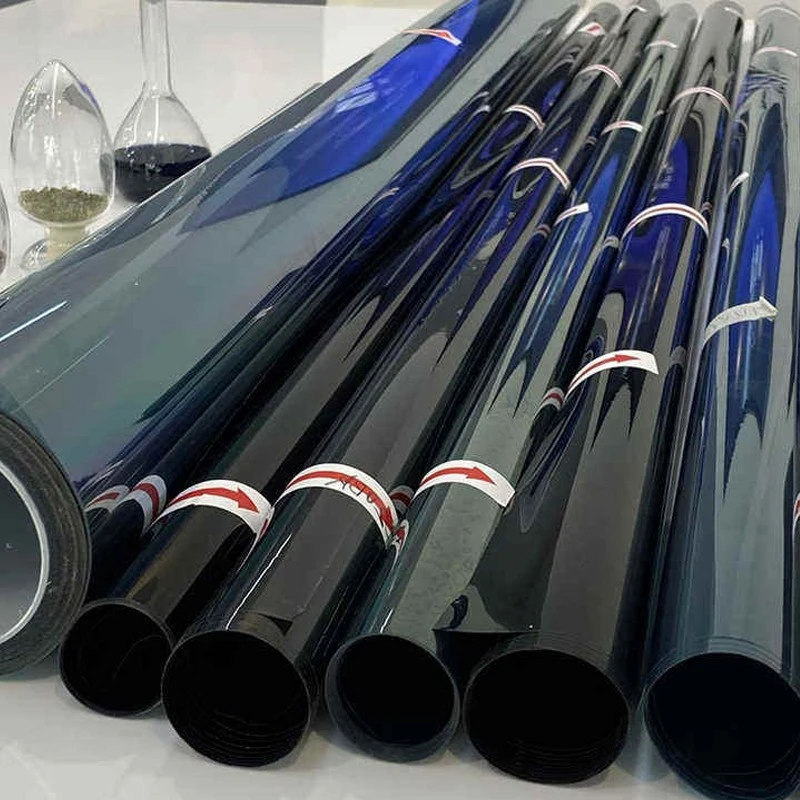

UV blocking film is designed to absorb or reflect UV rays. It typically contains special additives that can interact with UV light. For example, some films use nano - particles that have the ability to scatter or absorb UV radiation. When sunlight hits the film, a significant portion of the UV rays is either reflected back into the atmosphere or absorbed by the film, preventing them from passing through the glass and entering the building.
Feasibility of Using UV Blocking Film on Building Glass Facades
The short answer is yes, UV blocking film can be used on building glass facades. Most modern glass facades are made of materials such as float glass, tempered glass, or laminated glass. These types of glass are suitable substrates for applying UV blocking film.
The application process is similar to that of applying window film on regular windows. First, the glass surface needs to be thoroughly cleaned to ensure good adhesion. Then, the film is carefully measured and cut to fit the size of the glass panel. A special solution is used to wet the glass surface, and the film is laid on top. Air bubbles are removed using a squeegee, and the edges are trimmed neatly.
However, there are some factors to consider. Building glass facades are often large in size and may be located at significant heights. This requires professional installation teams with the necessary equipment and safety measures. Additionally, the film needs to be able to withstand various environmental conditions, such as strong winds, heavy rain, and extreme temperatures.
Benefits of Using UV Blocking Film on Building Glass Facades
- Protecting Interior Furnishings: UV rays can cause fading and damage to interior furnishings, including carpets, furniture, and artwork. By blocking UV rays, the film helps to preserve the color and integrity of these items, reducing the need for frequent replacement.
- Energy Efficiency: Some UV blocking films also have the property of reducing solar heat gain. This means that less heat enters the building, reducing the load on the air - conditioning system and potentially lowering energy costs.
- Enhancing Occupant Comfort: Exposure to UV rays can cause discomfort for building occupants, such as eye strain and skin irritation. By blocking UV rays, the film creates a more comfortable indoor environment.
- Safety and Security: Certain types of UV blocking films also have shatter - resistance properties. In the event of glass breakage, the film can hold the glass fragments together, reducing the risk of injury from flying glass.
Considerations for Choosing UV Blocking Film
- UV Blocking Performance: Look for films that can block a high percentage of UVA and UVB rays. A good quality film should block at least 99% of UV rays.
- Durability: The film should be able to withstand long - term exposure to sunlight, moisture, and other environmental factors. Check for warranties and product specifications regarding durability.
- Aesthetics: Consider the appearance of the film. Some films are clear and virtually invisible, while others may have a tint that can affect the overall look of the building.
- Cost - Effectiveness: Compare the cost of the film with the potential savings in energy costs and the protection it provides for interior furnishings.
Our Product Range and Related Offerings
In addition to UV blocking film for building glass facades, we also offer a range of other products. For those interested in automotive applications, we have Car Privacy Window Film, which not only provides privacy but also blocks UV rays. Our Car PPF Film is designed to protect the car's paint from scratches, chips, and UV damage. And for those looking for the best in car protection, our Premium Clear PPF For Cars offers self - healing properties and excellent UV blocking capabilities.
Conclusion and Call to Action
In conclusion, UV blocking film is a viable and beneficial option for building glass facades. It offers protection against UV rays, energy savings, and enhanced occupant comfort. If you're considering using UV blocking film for your building glass facades or are interested in our other products, we'd love to hear from you. Contact us to discuss your specific needs and get a quote. Our team of experts is ready to assist you in making the right choice for your project.
References
- "Window Film Technology and Applications" by John Doe, published by ABC Publishing.
- "The Effects of Ultraviolet Radiation on Building Materials" by Jane Smith, Journal of Building Science, Vol. XX, Issue XX.
- "Energy - Efficient Window Films for Buildings" by Research Institute of Building Energy Efficiency.