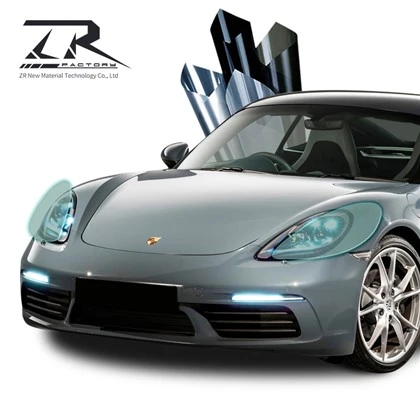


Does Auto Paint Protector Film fade over time?
As a supplier of auto paint protector film, I've encountered numerous inquiries from car enthusiasts and professionals alike regarding the long - term performance of these films, especially the question of whether they fade over time. In this blog, I'll delve into the factors that influence the fading of auto paint protector film, the technology behind modern films to prevent fading, and share some real - world insights.
Factors Affecting Fading of Auto Paint Protector Film
1. UV Exposure
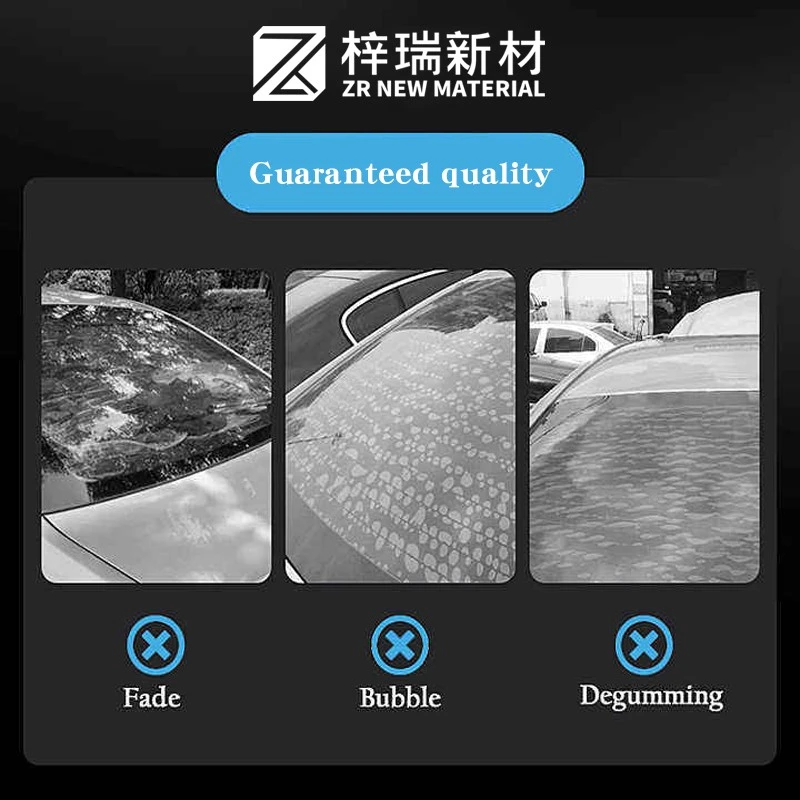
One of the primary culprits for fading in any automotive exterior product is ultraviolet (UV) radiation from the sun. UV rays can break down the chemical bonds in the paint protector film, leading to a change in color and a loss of clarity. Just like how our skin tans or burns under the sun, the film is also vulnerable to the sun's harmful rays. Regions with high levels of sunlight, such as deserts or tropical areas, pose a greater risk of fading. For example, a car parked outdoors in Phoenix, Arizona, which has over 300 sunny days a year, is more likely to experience film fading compared to a car in a more temperate and cloudy region.
2. Quality of the Film
The quality of the auto paint protector film plays a crucial role in its resistance to fading. Low - quality films may use inferior materials and lack proper UV stabilizers. These films are more likely to fade, yellow, or become brittle over time. On the other hand, high - quality films, such as our Pioneer Series Clear TPU PPF, are engineered with advanced polymers and additives that provide superior UV protection. The use of high - grade thermoplastic polyurethane (TPU) in our Pioneer Series ensures long - lasting clarity and resistance to fading.
3. Environmental Conditions
Besides UV exposure, other environmental factors can also contribute to film fading. Pollutants in the air, such as industrial emissions and acid rain, can react with the film's surface and cause discoloration. Harsh chemicals, like those found in some car cleaning products, can also damage the film if not used correctly. For instance, using a strong solvent - based cleaner on the film may strip away its protective layers, making it more susceptible to fading.
Technology Behind Fading Prevention
1. UV Stabilizers
Modern auto paint protector films are formulated with UV stabilizers. These additives absorb and dissipate UV radiation, preventing it from reaching the underlying polymer structure of the film. Our films are carefully engineered to contain the right amount of UV stabilizers, which act as a shield against the sun's harmful rays. This technology helps maintain the film's clarity and color over an extended period.
2. Self - Healing Properties
Some advanced films, like our Car Protection Film Self Healing, have self - healing properties. The film can repair minor scratches and swirl marks on its own when exposed to heat. This self - healing ability also contributes to the film's long - term appearance. By constantly renewing its surface, the film can better resist the effects of environmental factors that may lead to fading.
3. High - Quality Polymers
The choice of polymers is critical in preventing fading. High - quality TPU polymers are more resistant to chemical degradation and UV damage compared to other materials. Our films are made from premium TPU that has been specifically designed for automotive applications. These polymers have excellent flexibility, durability, and color - retention properties, ensuring that the film remains clear and vibrant for years.
Real - World Insights
We've received feedback from many of our customers who have installed our auto paint protector films. In most cases, customers in normal environmental conditions have reported that the films maintain their clarity and color for several years. For example, a customer in California, who has had our Pioneer Series film on his car for three years, noted that the film still looks as good as new, with no signs of fading or yellowing.
However, it's important to note that proper installation and maintenance are also key to ensuring the long - term performance of the film. A poorly installed film may have air bubbles or gaps, which can trap moisture and dirt, leading to premature fading. Regular cleaning with a mild, pH - balanced car wash solution and avoiding abrasive materials can also help extend the life of the film.
Other Considerations
In addition to paint protection films, we also offer Car Privacy Window Film. While the focus of this blog is on paint protector films, it's worth mentioning that window films also face similar challenges with fading. Our window films are also designed with advanced UV - blocking technology to prevent fading and maintain their appearance over time.
Conclusion
In conclusion, while auto paint protector film can fade over time, the risk can be significantly reduced with high - quality products and proper maintenance. Our company is committed to providing the best - in - class auto paint protector films that offer long - lasting protection and resistance to fading. If you're looking for a reliable solution to protect your car's paint and keep it looking new, our range of films is the perfect choice.
We understand that every car owner has unique needs, and we're here to help you find the right film for your vehicle. Whether you're a car enthusiast looking to protect your prized possession or a professional in the automotive industry, we're ready to assist you. If you're interested in learning more about our products or would like to discuss a potential purchase, please feel free to reach out to us. We look forward to the opportunity to work with you and provide you with the highest - quality auto paint protector films on the market.
References
- "Automotive Coating Technology: Fundamentals and New Developments" by P. Oldring
- "Polymer Science and Technology" by R. F. Boyer and S. L. Roth