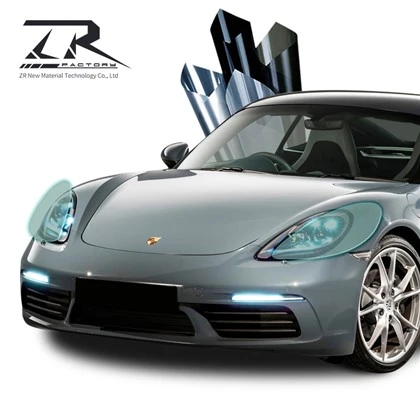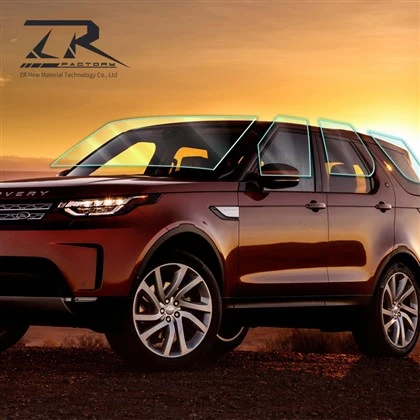


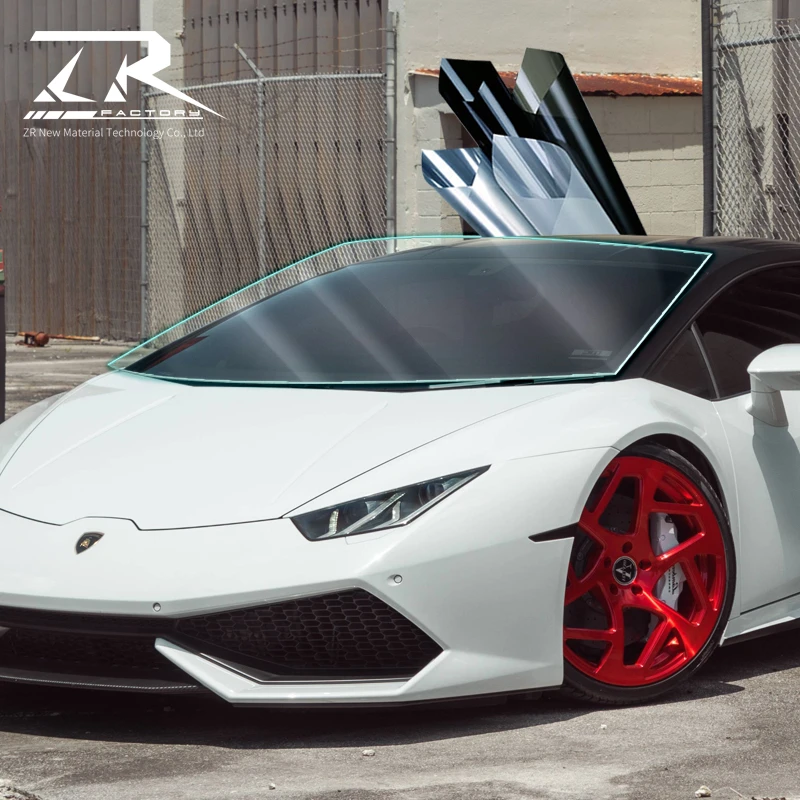
Yo, what's up everyone! As a supplier of car window tint, I get asked a ton of questions about this stuff. One of the most common ones is, "Does car window tint fade over time?" Well, let's dive right into it and find out.
First off, yeah, car window tint can fade over time. But it's not like it just happens overnight. There are a bunch of factors that play into how quickly or slowly your tint will fade.
Factors That Cause Fading
Sun Exposure
The sun is a huge culprit here. UV rays are like little energy bullets that constantly pelt your car's windows. Over time, these rays can break down the dyes and pigments in the window tint. You know, it's like how your favorite T - shirt fades when you leave it out in the sun too long. The more your car is parked in direct sunlight, the faster the tint is likely to fade. That's why if you live in a sunny place like Arizona or Florida, you might notice your tint fading a bit quicker compared to someone in a cloudier area.
Quality of the Tint
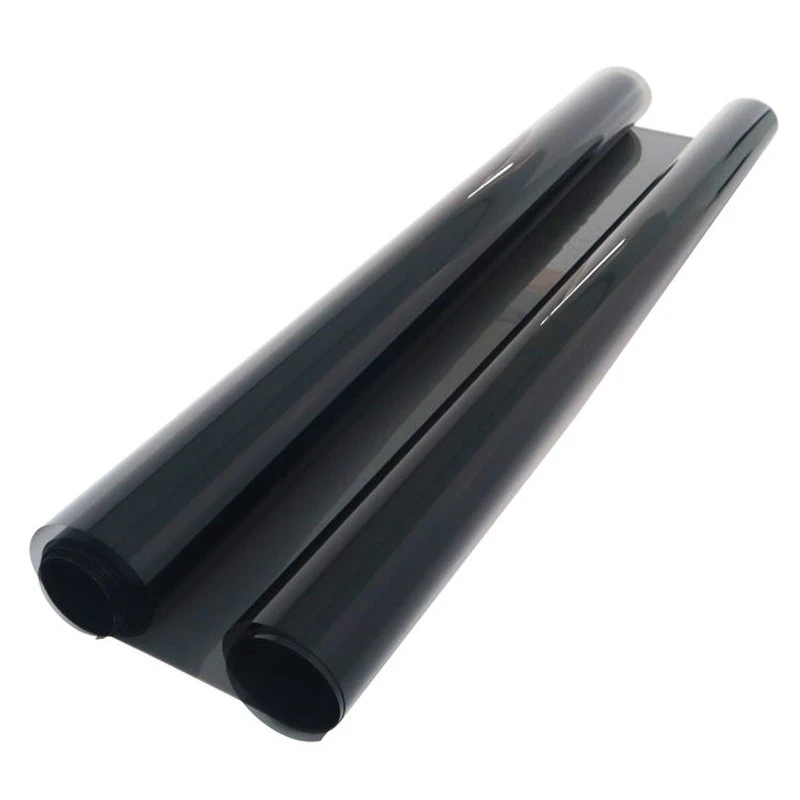
Not all tints are created equal. Cheaper tints usually use lower - quality dyes and materials. These are more prone to fading because they don't have the durability to withstand the elements. On the other hand, high - quality tints like the Ceramic Tint we offer are made with better materials. Ceramic tints have a special construction that helps them resist fading. They can block a lot of the UV rays, and their pigments are more stable, so they hold up better over time.
Installation
How the tint is installed also matters. If it's not installed correctly, there could be air bubbles or gaps. Moisture can get trapped in these areas, which can cause the tint to peel or fade. A professional installer will make sure the tint is applied smoothly and evenly, reducing the chances of premature fading.
Types of Tint and Their Fading Rates
Dyed Tint
Dyed tint is one of the most basic and affordable types. It works by using layers of dye to absorb sunlight. However, these dyes are pretty vulnerable to fading. Usually, you can expect dyed tint to start showing signs of fading within 3 - 5 years, especially if your car gets a lot of sun exposure.
Metalized Tint
Metalized tints have tiny metal particles in them. These particles reflect heat and light, which helps keep your car cool. But they're not immune to fading either. Over time, the metal can oxidize, causing the tint to lose its color and effectiveness. Metalized tints might last around 5 - 7 years before significant fading occurs.
Ceramic Tint
As I mentioned earlier, ceramic tint is the top - dog when it comes to durability. Its advanced ceramic particles are great at blocking UV rays and heat, and they don't fade easily. You can expect ceramic tint to last 7 - 10 years or even longer without much fading, as long as it's installed properly and well - maintained.
How to Prevent Fading
Use UV - Blocking Products
One way to slow down the fading process is to use UV Blocking Privacy Window Film - Energy Saving Non - Adhesive Static Cling For Home Office. This film can be used on your home or office windows, but it also gives you an idea of the kind of UV - blocking tech we're talking about. You can use a good quality UV - blocking spray on your car windows too. It adds an extra layer of protection against those harmful UV rays.
Park in the Shade
Simple as it sounds, parking your car in the shade can make a big difference. Whether it's under a tree, in a garage, or a covered parking spot, keeping your car out of direct sunlight reduces the amount of UV exposure the tint gets.
Regular Maintenance
Clean your windows regularly with a gentle, non - abrasive cleaner. Avoid using harsh chemicals or rough sponges that could scratch the tint. A clean tint is less likely to fade because dirt and grime can actually trap heat and UV rays against the tint.
Custom - Size Tints and Fading
If you're looking for a perfect fit for your car windows, Custom Size Window Film - Tailored Heat Insulation Tint For Home Office Automotive is a great option. A custom - sized tint means there are no awkward cuts or gaps, which reduces the chance of moisture getting in and causing fading. Plus, we can use high - quality materials for these custom tints, so you get the best of both worlds in terms of fit and durability.
Conclusion
So, to sum it all up, yes, car window tint can fade over time, but there are ways to slow down the process. The type of tint you choose, how it's installed, and how you take care of it all play a role. If you're in the market for a new car window tint, don't just go for the cheapest option. Invest in a high - quality tint like our ceramic tint, and follow the tips I've shared to keep it looking great for years.
If you're interested in purchasing car window tint or have any questions, feel free to reach out. We're here to help you find the perfect tint for your needs and ensure you get the best value for your money.
References
- "Automotive Window Tinting: A Comprehensive Guide" by Tint Experts Inc.
- "The Science of Window Tint Fading" from Car Tint Research Journal.