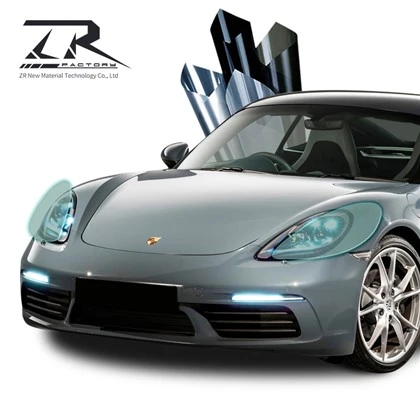


When it comes to choosing window tint for your home or car, ceramic tint has become a popular choice due to its many benefits. But a common question that arises is: does ceramic tint change color over time? As a supplier of high - quality ceramic tint, I am here to provide you with in - depth insights into this topic.

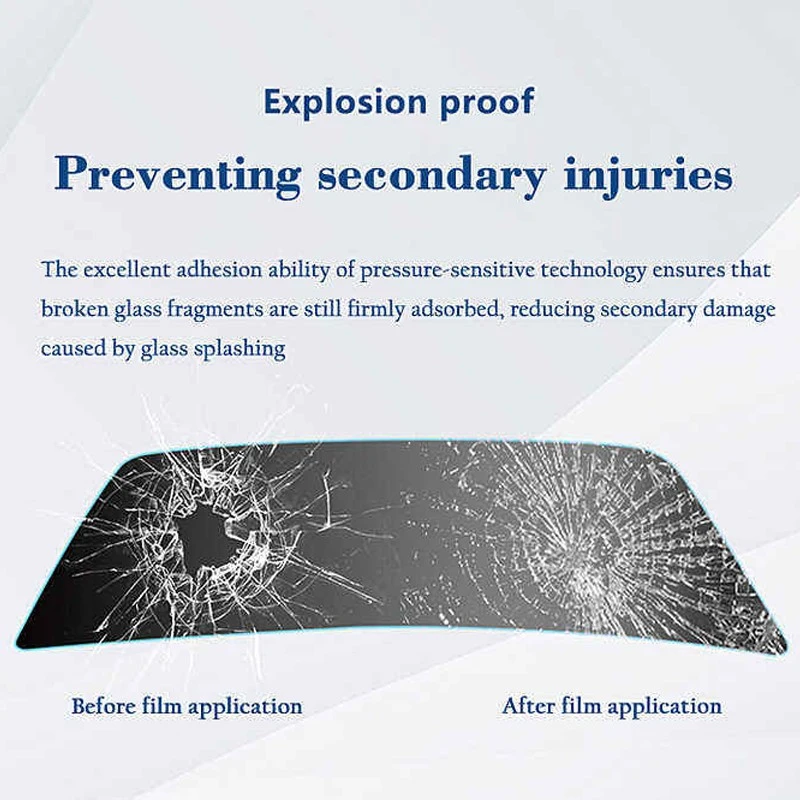
Understanding Ceramic Tint
Ceramic tint is a type of window film that uses ceramic particles embedded in a polyester base. Unlike traditional dyed or metallic tints, ceramic tints offer numerous advantages. One of the key features of ceramic tint is its excellent heat and UV rejection capabilities. Our Premium Heat Insulation Window Film For Home & Car - 99% UV Block 90% Heat Rejection is a prime example of how ceramic tint can effectively shield your interior from the harmful effects of the sun.
The ceramic particles in the tint are non - conductive and non - metallic. This means they do not interfere with electronic signals such as GPS, cell phone, or radio signals, which is a major drawback of some metallic tints. Moreover, ceramic tint provides a clear, glare - free view, enhancing both comfort and visibility.
The Color Stability of Ceramic Tint
Color change over time is a concern for any window tint product. However, ceramic tint is known for its remarkable color stability. The high - quality ceramic particles used in our products are resistant to fading, discoloration, and degradation caused by external factors.
Factors Affecting Tint Color
- Sunlight and UV Exposure: Sunlight contains ultraviolet (UV) rays that can damage the structure of window tint over time. Traditional dyed tints are particularly vulnerable to UV radiation, as the dye can break down, leading to color fading. In contrast, our ceramic tint is designed to block up to 99% of UV rays. By preventing UV penetration, it protects itself from the primary cause of color change.
- Temperature Fluctuations: Extreme temperature changes can also impact the color and integrity of window tint. For example, in areas with hot summers and cold winters, the expansion and contraction of the tint film can cause stress on the dye or other components, resulting in color variations. Ceramic tint has a high tolerance for temperature changes. Its stable molecular structure allows it to withstand a wide range of temperatures without significant color change.
Laboratory Tests and Real - World Performance
We have conducted extensive laboratory tests on our ceramic tint products. These tests simulate years of exposure to sunlight, heat, and various environmental conditions. The results consistently show that our ceramic tint maintains its color and clarity over a long period.
In the real world, many of our customers who have installed our ceramic tint on their Car Tint and home windows report that the tint looks as good as new even after several years. This real - world feedback further validates the long - term color stability of our ceramic tint.
Comparing Ceramic Tint with Other Tints
- Dyed Tints: Dyed tints are the most basic and least expensive type of window tint. They work by absorbing solar heat through the dye in the film. However, the dye is prone to fading over time, especially when exposed to sunlight and heat. As a result, dyed tints may darken unevenly or develop a purple or pink hue after a few years.
- Metallic Tints: Metallic tints use a thin layer of metal to reflect solar heat. While they can be effective at heat rejection, they are also susceptible to corrosion. Over time, the metal can oxidize, causing the tint to change color and sometimes even creating a visible pattern on the window. In addition, metallic tints can interfere with electronic signals as mentioned earlier.
On the other hand, ceramic tint provides a balance between heat rejection and long - term color stability without the drawbacks associated with dyed and metallic tints.
Ensuring Long - Term Color Stability
To maximize the longevity and color stability of your ceramic tint, proper installation and maintenance are crucial.
- Installation: Professional installation is highly recommended. A trained installer will ensure that the tint is applied evenly without any air bubbles or wrinkles. Any imperfections in the installation can trap moisture or allow sunlight to penetrate unevenly, potentially affecting the color and performance of the tint over time.
- Cleaning and Maintenance: When cleaning ceramic tint, use a mild, non - abrasive cleaner and a soft microfiber cloth. Avoid using sharp objects or abrasive sponges that could scratch the tint surface. Scratches can expose the tint to environmental damage and may lead to color changes or even peeling.
Applications of Ceramic Tint
- Automotive Use: Ceramic tint is an excellent choice for cars. It not only provides heat and UV protection but also enhances the privacy and aesthetic appeal of your vehicle. Our Car Tint products are available in various shades to meet different customer preferences.
- Residential and Commercial Use: For home and office windows, ceramic tint can significantly reduce energy costs by blocking solar heat. It also protects furniture, flooring, and artwork from fading due to UV exposure. Our Custom Size Window Film - Tailored Heat Insulation Tint For Home Office Automotive can be customized to fit any window size, providing a seamless and effective solution for heat insulation.
Conclusion
In conclusion, ceramic tint is a reliable option when it comes to long - term color stability. Thanks to its advanced ceramic technology, it resists fading and discoloration even under harsh environmental conditions. Whether you are looking for a tint for your car or home, our ceramic tint products offer a perfect combination of performance, style, and durability.
If you are interested in purchasing our high - quality ceramic tint products or have any questions about color stability or other aspects, we welcome you to contact us for procurement and further discussions. We are committed to providing you with the best window tint solutions tailored to your needs.
References
- Manufacturer's technical specifications on ceramic tint performance.
- Industry research on window tint durability and color stability.
- Customer feedback and case studies on the long - term performance of ceramic tint.