

The cost of solar film window tint indeed varies significantly by type, a fact that I, as a seasoned solar film window tint supplier, have witnessed firsthand. This variation is influenced by multiple factors, including the film's technology, performance capabilities, and intended applications. Understanding these differences is crucial for customers looking to make an informed decision about which solar film is right for them, both in terms of functionality and budget.
Types of Solar Film Window Tint and Their Cost Drivers
Dyed Solar Films
Dyed solar films are one of the most basic and affordable types of window tints on the market. These films are made by applying a layer of dye between an adhesive and a polyester base. The dye absorbs solar heat and reduces the amount of sunlight that enters a building or vehicle.
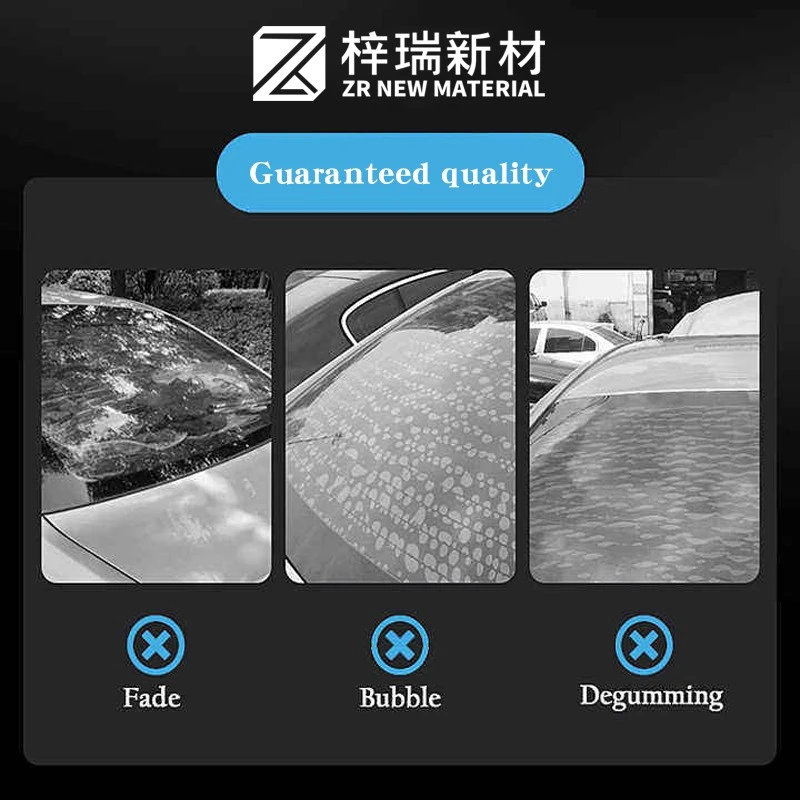
The cost of dyed solar films is relatively low because the manufacturing process is straightforward. They are popular among cost - conscious consumers who want a simple solution to reduce glare and heat. However, dyed films have some limitations. Over time, the dye can fade, especially when exposed to prolonged sunlight, which may affect their performance and appearance. On average, the price of dyed solar films can range from $5 to $20 per square foot.
Metalized Solar Films
Metalized solar films incorporate a thin layer of metal, such as aluminum, into the film's construction. This metal layer reflects a significant amount of solar heat and infrared radiation, providing better heat rejection compared to dyed films.
The manufacturing process of metalized films is more complex than that of dyed films, which contributes to a higher cost. Metalized films typically range from $15 to $35 per square foot. One of the advantages of metalized solar films is their durability. They are less likely to fade over time compared to dyed films. However, they may interfere with electronic signals, such as those used in GPS systems and cell phones, especially in vehicles. For more information on automotive - specific solar films, you can visit Automotive Window Film/Solar Film.
Hybrid Solar Films
Hybrid solar films combine the features of dyed and metalized films. They use a combination of dye and a thin layer of metal to achieve both heat absorption and reflection. This type of film offers a balance between cost and performance.
Hybrid films usually cost between $20 and $40 per square foot. They provide good heat rejection and glare reduction while minimizing signal interference compared to pure metalized films. The combination of technologies also enhances the film's durability, making it a popular choice for both residential and commercial applications.
Ceramic Solar Films
Ceramic solar films are the most advanced and expensive type of window tint available. These films use ceramic nanoparticles, which are highly effective at blocking infrared radiation and ultraviolet rays.
Ceramic films offer superior heat rejection and clarity compared to other types of films. They do not interfere with electronic signals, making them ideal for use in modern vehicles and buildings with advanced electronic systems. The cost of ceramic solar films can range from $40 to $80 per square foot. The high price is due to the advanced technology and the high - quality materials used in their production.
Factors Affecting the Cost of Different Types of Solar Film
Technology and Manufacturing Complexity
As mentioned earlier, the manufacturing process plays a significant role in determining the cost of solar film. Dyed films are relatively simple to produce, requiring only a basic dye - application process. In contrast, ceramic films involve the use of advanced nanotechnology to disperse ceramic particles evenly throughout the film, which is a more complex and expensive process.
Performance and Quality
The performance capabilities of a solar film also affect its cost. Films that offer better heat rejection, UV protection, and clarity generally cost more. For example, ceramic films can block up to 99% of UV rays and a high percentage of infrared radiation, providing a more comfortable and energy - efficient environment. This high - level performance justifies their higher price.
Brand and Reputation
Well - known brands in the solar film industry often charge a premium for their products. These brands have invested in research and development, quality control, and customer service, which adds to the cost of their films. However, customers may be willing to pay more for a brand with a good reputation for reliability and performance.
Applications and Cost Variation
Residential Applications
In residential settings, the choice of solar film depends on the homeowner's needs and budget. Dyed films are often used in areas where cost is a major concern, such as rental properties or older homes. Metalized and hybrid films are more commonly used in mid - range homes, providing a good balance between performance and cost. Ceramic films are typically installed in high - end homes, where homeowners are willing to invest in the best possible window tint for energy savings and comfort.
Commercial Applications
Commercial buildings have different requirements compared to residential properties. They often need solar films that can provide high - level heat rejection and UV protection to reduce energy costs and protect interior furnishings. Hybrid and ceramic films are popular choices for commercial applications due to their superior performance. However, the large surface area of commercial windows means that the overall cost of installation can be substantial.
Automotive Applications
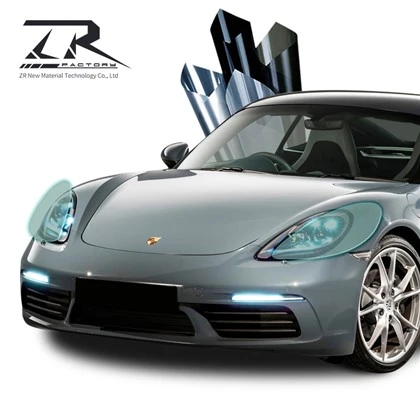
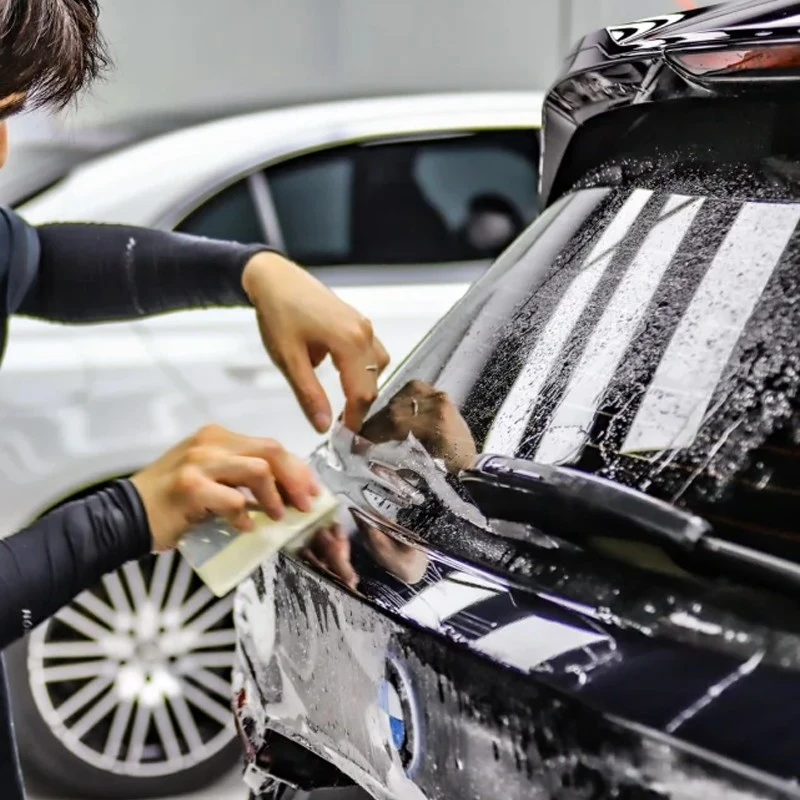
In the automotive market, window tinting is a popular accessory. Dyed films are the most affordable option for car owners on a budget. Metalized and hybrid films are commonly used for their heat - rejection properties. Ceramic films, while more expensive, are becoming increasingly popular in high - end vehicles due to their signal - free operation and high - quality performance. Two great options for car paint protection films, which are related to window tinting in automotive applications, are the TOP Series: ToP8 Clear TPU PPF and the Pioneer Series: P7 Clear TPU PPF, which can offer protection in addition to the benefits of window tint.
Conclusion
In conclusion, the cost of solar film window tint varies significantly by type. From the budget - friendly dyed films to the high - end ceramic films, each type has its own set of features, performance capabilities, and price points. Customers should consider their specific needs, budget, and the intended application when choosing a solar film. As a solar film window tint supplier, I am committed to providing my customers with the best possible advice and products. Whether you are looking for a simple solution to reduce glare or a high - performance film for energy savings, I have the expertise and the range of products to meet your requirements.
If you are interested in purchasing solar film window tint for your residential, commercial, or automotive needs, I encourage you to contact me to discuss your options and get a personalized quote. I look forward to working with you to find the perfect solar film solution.
References
- Madani, S., & Akbari, H. (2018). Energy performance of window films for the built environment. Renewable and Sustainable Energy Reviews, 92, 297 - 317.
- Soltani, M., & Ameri, R. (2019). A review of solar control window films for building applications. Building and Environment, 148, 84 - 96.
- Bansal, N. K., & Kaur, S. (2018). Influence of window tinting on indoor environment and energy consumption in a building. Energy and Buildings, 162, 372 - 382.