

As a supplier of Architecture Color Window Film, I've encountered numerous inquiries from customers regarding the longevity and color retention of our products. Fading is a common concern, especially for those using window films in exterior applications. In this blog, I'll share some practical tips on how to prevent architecture color window film from fading, ensuring that your investment maintains its aesthetic appeal and functionality for years to come.
Understanding the Causes of Fading
Before delving into prevention strategies, it's essential to understand what causes architecture color window film to fade. The primary culprits are ultraviolet (UV) radiation, heat, and environmental factors such as pollution and moisture.
UV radiation is the most significant contributor to fading. The sun emits a wide spectrum of UV rays, which can break down the chemical bonds in the window film's dyes and pigments over time. This degradation leads to a loss of color intensity and vibrancy. Heat can also accelerate the fading process by causing the film to expand and contract, which can damage its structure and make it more susceptible to UV damage.
Environmental factors like pollution and moisture can also have a detrimental effect on the window film. Pollutants in the air can react with the film's surface, causing discoloration and fading. Moisture can seep into the film, leading to mold and mildew growth, which can further damage the film and cause it to fade.
Choosing the Right Window Film
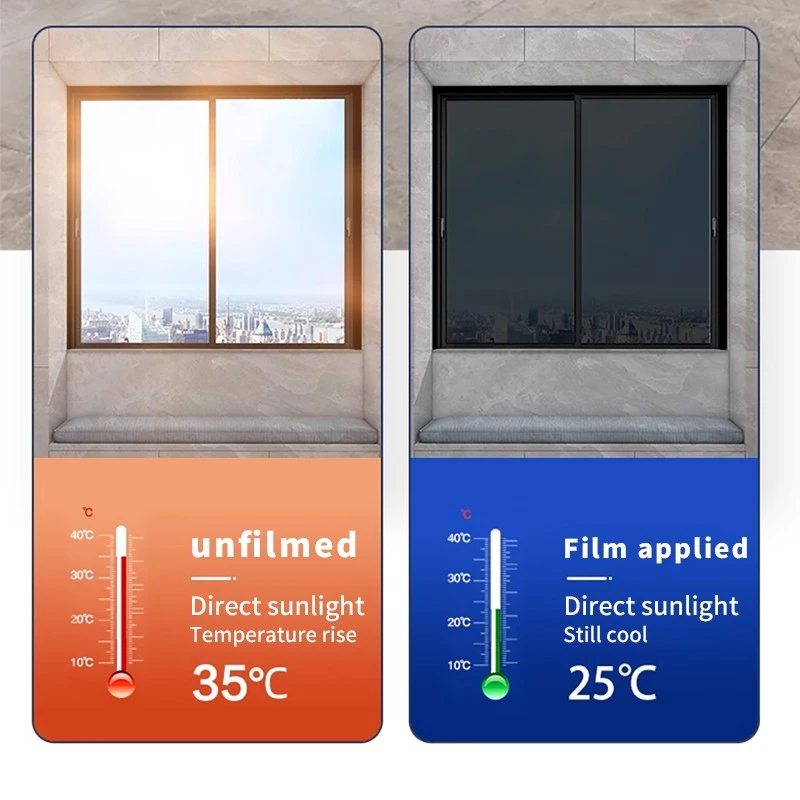
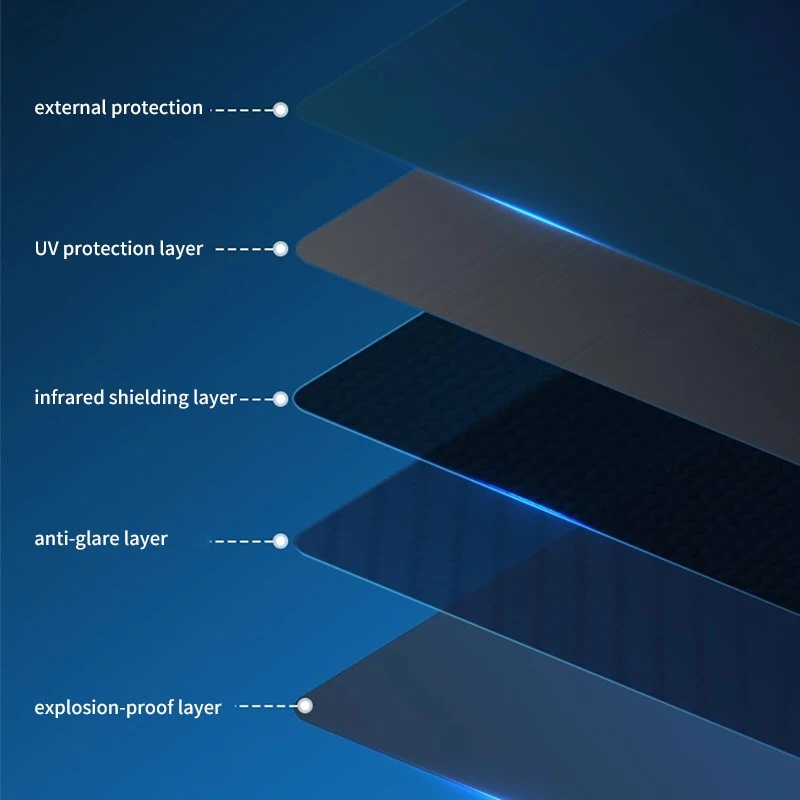
One of the most effective ways to prevent fading is to choose a high-quality window film that is specifically designed to resist UV radiation. At our company, we offer a range of Architecture Color Window Film products that are engineered with advanced UV-blocking technology. These films are capable of blocking up to 99% of UV rays, significantly reducing the risk of fading.
When selecting a window film, it's also important to consider the film's thickness and durability. Thicker films are generally more resistant to fading and damage than thinner ones. Additionally, look for films that are made from high-quality materials and have a long warranty. This will give you peace of mind knowing that your investment is protected.
Proper Installation
Proper installation is crucial for ensuring the longevity and performance of your architecture color window film. A poorly installed film can trap air bubbles, moisture, and dirt, which can all contribute to fading and damage. To ensure a professional installation, it's recommended to hire a qualified installer who has experience working with window films.
Before installation, make sure the window surface is clean and free of any dirt, dust, or debris. This will help the film adhere properly and prevent any contaminants from getting trapped between the film and the window. During installation, follow the manufacturer's instructions carefully and use the appropriate tools and techniques. This will help ensure a smooth, bubble-free installation and minimize the risk of damage to the film.
Regular Maintenance
Regular maintenance is essential for keeping your architecture color window film looking its best and preventing fading. Here are some tips for maintaining your window film:
- Clean the film regularly: Use a mild, non-abrasive cleaner and a soft cloth or sponge to clean the film. Avoid using harsh chemicals or abrasive materials, as these can damage the film and cause it to fade.
- Avoid scratching the film: Be careful when cleaning or handling the window film to avoid scratching it. Scratches can damage the film's surface and make it more susceptible to fading and damage.
- Inspect the film periodically: Check the film regularly for any signs of damage, such as peeling, bubbling, or discoloration. If you notice any issues, contact a professional installer or the manufacturer for assistance.
- Protect the film from extreme temperatures: Avoid exposing the window film to extreme temperatures, as this can cause the film to expand and contract, which can damage its structure and make it more susceptible to fading.
Additional Protection
In addition to choosing the right window film, proper installation, and regular maintenance, there are some additional steps you can take to protect your architecture color window film from fading:
- Use window shades or blinds: Window shades or blinds can provide an additional layer of protection against UV radiation and heat. By blocking the sun's rays during the hottest parts of the day, you can reduce the amount of UV exposure the window film receives and help prevent fading.
- Apply a UV-resistant coating: Some window films come with a UV-resistant coating that can provide an extra layer of protection against fading. If your window film does not have a UV-resistant coating, you can consider applying one yourself. However, make sure to choose a coating that is compatible with your window film and follow the manufacturer's instructions carefully.
- Consider using exterior window film: Exterior Architecture Window Film is specifically designed for use on the outside of windows and can provide additional protection against UV radiation, heat, and environmental factors. Exterior window film is typically more durable and long-lasting than interior window film and can help prevent fading and damage.
Conclusion
Preventing architecture color window film from fading requires a combination of choosing the right window film, proper installation, regular maintenance, and additional protection. By following these tips, you can ensure that your window film maintains its color and performance for years to come.
If you have any questions or would like to learn more about our Architecture Color Window Film products, please don't hesitate to contact us. We're here to help you find the right solution for your needs and ensure that your investment in window film is a long-lasting one.
References
- "Window Film: A Guide to Selection and Installation." National Fenestration Rating Council.
- "How to Clean and Maintain Window Film." 3M.
- "UV Radiation and Its Effects on Materials." International Ultraviolet Association.