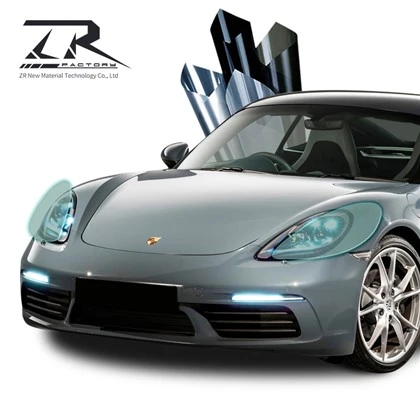


How does anti - scratch car film protect against hail?
As a supplier of Anti - scratch Car Film, I've witnessed firsthand the incredible benefits that this product offers, especially when it comes to protecting vehicles from the destructive force of hail. Hailstorms can cause significant damage to cars, leaving dents, scratches, and chips on the paintwork. However, with the right anti - scratch car film, you can safeguard your vehicle and keep it looking pristine even after the most severe hailstorms.
The Science Behind Anti - scratch Car Film
Anti - scratch car film, also known as Paint Protection Film (PPF), is a thermoplastic urethane film that is applied to the exterior of a vehicle. This film is designed to be highly durable, flexible, and resistant to a variety of environmental factors, including hail. The key to its effectiveness lies in its unique composition and structure.
The film is made up of multiple layers, each with a specific function. The top layer is a clear, protective coating that is resistant to UV rays, chemicals, and abrasions. This layer helps to prevent the film from yellowing, cracking, or peeling over time. Beneath the top layer is a self - healing layer. When the film is scratched or dented, this layer has the ability to repair itself over time, thanks to its thermoplastic properties. When exposed to heat, such as sunlight or the warmth of the engine, the molecules in the self - healing layer realign, filling in the scratches and restoring the film's smooth surface.
The bottom layer of the anti - scratch car film is an adhesive layer that bonds the film to the vehicle's paintwork. This adhesive is strong enough to hold the film in place but also allows for easy removal if necessary, without leaving any residue on the paint.
How Anti - scratch Car Film Protects Against Hail
When hail strikes a vehicle, it exerts a significant amount of force on the paintwork. The impact can cause dents, chips, and scratches, which not only affect the appearance of the car but also expose the underlying metal to rust and corrosion. Anti - scratch car film acts as a protective barrier between the hail and the vehicle's paint, absorbing and dispersing the impact energy.
The flexibility of the anti - scratch car film allows it to bend and stretch upon impact, rather than cracking or breaking. This means that the film can absorb the force of the hail and prevent it from reaching the paintwork. The self - healing properties of the film also come into play during a hailstorm. If the hail causes minor scratches or dents in the film, the self - healing layer will repair itself over time, leaving the film looking as good as new.
In addition to its physical protection, anti - scratch car film also provides a layer of insulation. Hail can be extremely cold, and the sudden change in temperature can cause the paintwork to contract and expand, leading to cracking and peeling. The film helps to regulate the temperature of the paintwork, reducing the risk of damage caused by thermal stress.
Types of Anti - scratch Car Film for Hail Protection
There are several types of anti - scratch car film available on the market, each with its own features and benefits.
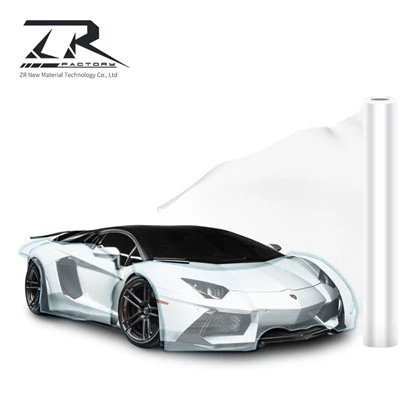
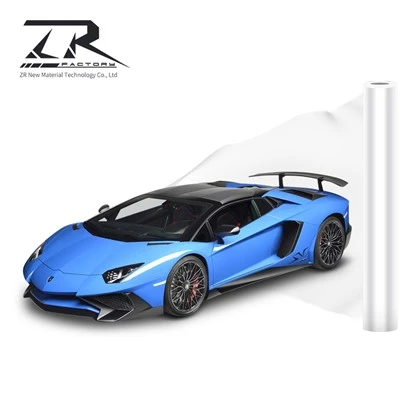
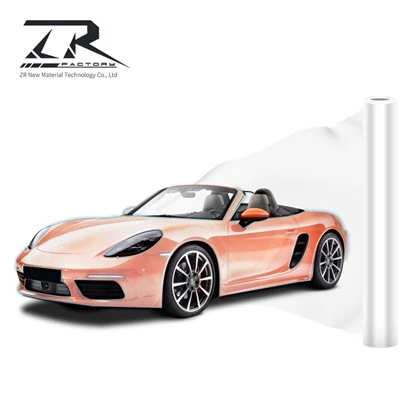
Clear Paint Protection Film for Cars is a popular choice for those who want to protect their vehicle's paint without altering its appearance. This film is virtually invisible when applied, allowing the original color and finish of the car to shine through. It provides excellent protection against hail, as well as other environmental hazards such as UV rays, bird droppings, and road debris.
Whole Car Paint Protection Film offers comprehensive protection for the entire vehicle. This type of film is custom - cut to fit the specific make and model of the car, ensuring a seamless and professional installation. Whole car paint protection film provides maximum protection against hail, as it covers all exposed surfaces of the vehicle, including the hood, fenders, doors, and trunk.
PPF Car Protection Film is a high - quality anti - scratch car film that is known for its durability and self - healing properties. PPF film is designed to withstand the toughest conditions, making it an ideal choice for hail protection. It can resist impacts from large hailstones and also provides long - lasting protection against other forms of damage.
Installation and Maintenance
Proper installation of anti - scratch car film is crucial to ensure its effectiveness. It is recommended to have the film installed by a professional installer who has experience working with PPF. A professional installer will ensure that the film is applied smoothly and evenly, without any bubbles or wrinkles. They will also use the right tools and techniques to ensure a proper fit and a long - lasting bond.
Maintenance of anti - scratch car film is relatively easy. Regular washing of the vehicle with a mild soap and water is usually sufficient to keep the film clean. Avoid using abrasive cleaners or brushes, as these can damage the film. If the film gets scratched, simply exposing it to sunlight or using a heat gun on a low setting can activate the self - healing properties of the film.
Conclusion
Anti - scratch car film is an effective solution for protecting vehicles against hail damage. Its unique composition and properties allow it to absorb and disperse the impact energy of hail, while also providing self - healing capabilities. Whether you choose Clear Paint Protection Film for Cars, Whole Car Paint Protection Film, or PPF Car Protection Film, you can rest assured that your vehicle will be well - protected.
If you're interested in learning more about our anti - scratch car film products or would like to discuss a potential purchase, please don't hesitate to reach out. We're here to help you find the best solution for your vehicle's protection needs.
References
- "Paint Protection Film: A Comprehensive Guide." Auto Protection Magazine.
- "The Science of Self - Healing Polymers in Automotive Applications." Journal of Automotive Materials.
- "Hail Damage to Vehicles: Causes and Prevention." Insurance Institute for Highway Safety.