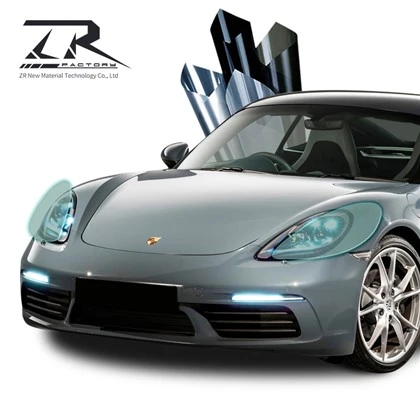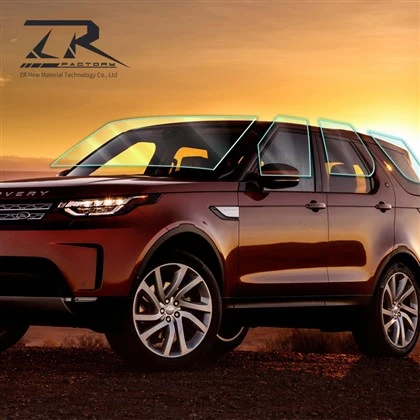


Car window tint film has become a popular addition to vehicles for various reasons, including privacy, UV protection, and heat reduction. One aspect that often gets overlooked is how it affects the interior lighting of a car. As a supplier of high - quality car window tint films, I have seen firsthand the impact these films can have on the lighting inside a vehicle.
The Basics of Car Window Tint Film
Car window tint films are thin, adhesive sheets that are applied to the interior surface of a car's windows. They come in different shades and types, each with its own set of properties. Some tints are designed to block UV rays, while others focus on reducing heat or providing privacy. The level of tint is measured by the Visible Light Transmission (VLT) percentage, which indicates how much visible light can pass through the film.
Impact on Interior Lighting
Reduced Visible Light
The most obvious effect of car window tint film on interior lighting is the reduction of visible light. As the VLT percentage decreases, less light enters the car. For example, a tint with a VLT of 5% allows only 5% of visible light to pass through, creating a very dark interior. This can be beneficial in bright sunlight, as it reduces glare and makes it more comfortable for the driver and passengers. However, in low - light conditions such as at night or in a parking garage, a very dark tint can make it difficult to see inside the car.
Color Temperature and Lighting Quality
Car window tint films can also affect the color temperature of the light inside the car. Different tints may have a slight color cast, which can change the way the interior appears. For instance, a blue - tinted film may give the interior a cooler, bluer tone, while a bronze - tinted film can create a warmer, more golden light. This can have an impact on the overall aesthetic and mood of the car's interior.
Safety Considerations
While reduced light can be a benefit in some situations, it also raises safety concerns. Inadequate interior lighting can make it difficult to read maps, check gauges, or find objects inside the car. It can also make it harder for pedestrians and other drivers to see into the car, which may affect visibility during nighttime driving. Therefore, it is important to choose a tint with an appropriate VLT percentage that balances privacy and safety.
Different Types of Tint Films and Their Effects
Dyed Tint Films
Dyed tint films are the most basic type of car window tint. They are made by adding dye to a polyester film. These tints are relatively inexpensive and can provide a good level of privacy. However, they are not as effective at blocking heat as other types of tints. In terms of interior lighting, dyed tints can reduce visible light and may have a slight color cast, depending on the dye used.
Metalized Tint Films
Metalized tint films contain tiny metal particles that reflect heat and UV rays. They are more effective at heat reduction than dyed tints. Metalized tints can also reduce visible light, but they may cause interference with electronic devices such as GPS systems and cell phones. In terms of interior lighting, they can create a more reflective surface, which may affect the distribution of light inside the car.
Ceramic Tint Films
Ceramic tint films are the most advanced type of car window tint. They use ceramic particles to block heat and UV rays without interfering with electronic devices. Ceramic tints offer a high level of clarity and can provide a more natural - looking reduction in visible light. They are also less likely to fade over time compared to other types of tints.
Benefits of Using Car Window Tint Film in Relation to Interior Lighting
Glare Reduction
One of the main benefits of car window tint film is glare reduction. Glare from the sun can be a major distraction for drivers, especially when driving towards the sun or on a bright, sunny day. By reducing the amount of visible light that enters the car, tint films can significantly reduce glare, making it easier for the driver to focus on the road.
Privacy and Comfort
Car window tint film provides an added layer of privacy for the driver and passengers. A darker tint can prevent people outside the car from seeing inside, which can be especially useful in urban areas or when parked in public places. At the same time, the reduced light can create a more comfortable environment inside the car, especially during hot summer days.
Our Product Offerings
As a supplier of car window tint films, we offer a wide range of products to meet different needs. Our Self - healing Car Film is a high - quality option that not only provides protection for the car's paint but also offers some level of tint. It has self - healing properties, which means that minor scratches can disappear over time.
Our Heat - Insulating Sunshield Film is designed to block a significant amount of heat and UV rays. This film can help keep the interior of the car cool, even on the hottest days. It also has a good VLT percentage, which allows for a reasonable amount of light to enter the car while still providing privacy.
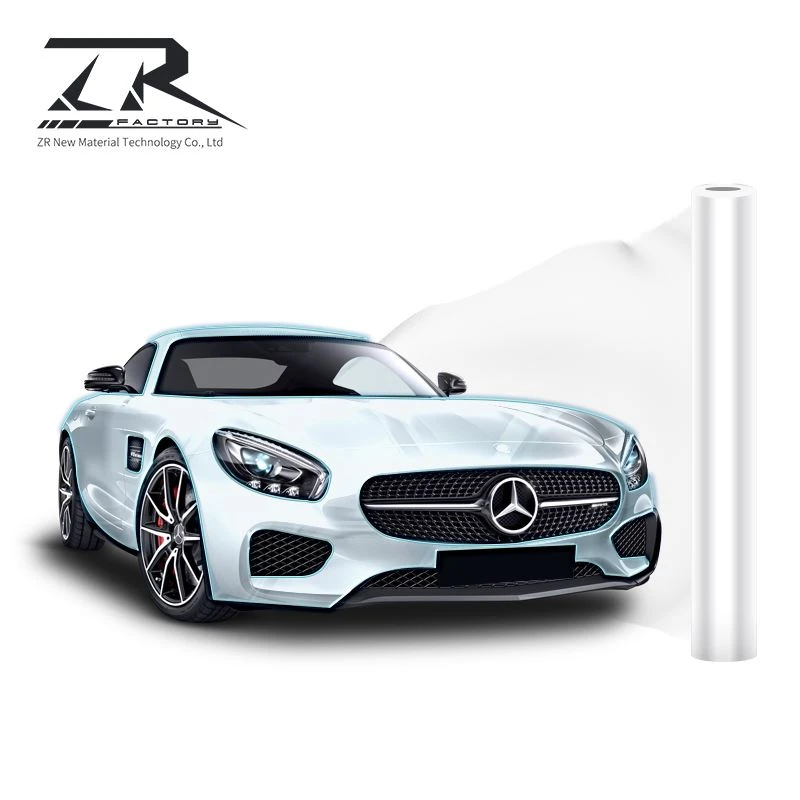
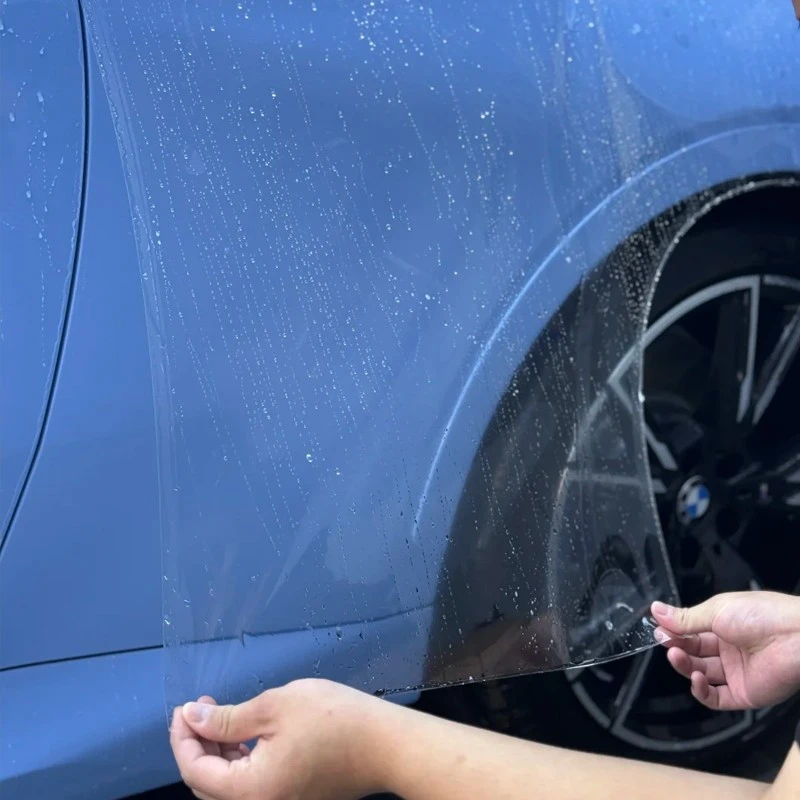
The TOP Series: ToP8 Clear TPU PPF is a clear film that offers excellent protection for the car's paint. It is virtually invisible, so it does not significantly affect the interior lighting of the car. However, it still provides protection against scratches, chips, and UV damage.
Conclusion
Car window tint film can have a significant impact on the interior lighting of a car. While it can reduce visible light and change the color temperature of the light inside the car, it also offers many benefits such as glare reduction, privacy, and heat reduction. As a supplier, we understand the importance of choosing the right tint film for your car. We offer a variety of products to meet different needs and preferences. If you are interested in purchasing car window tint film, please contact us to discuss your options and start a procurement conversation. We are here to help you make the best choice for your vehicle.
References
- Smith, J. (2020). The Science of Car Window Tint. Auto Magazine.
- Johnson, A. (2019). Impact of Window Tint on Vehicle Interior Lighting. Journal of Automotive Technology.
- Brown, C. (2021). Choosing the Right Car Window Tint. Car Enthusiast Journal.