

How does car window tint work with head - up displays?
In the modern automotive landscape, both car window tint and head - up displays (HUDs) have emerged as popular features, each offering unique benefits to drivers. As a car window tint supplier, I often get asked about how these two technologies interact. In this blog, I'll delve into the details of how car window tint works with head - up displays, exploring the potential benefits, challenges, and considerations.
Understanding Car Window Tint and Head - Up Displays
Before we discuss their interaction, let's first understand what car window tint and head - up displays are.
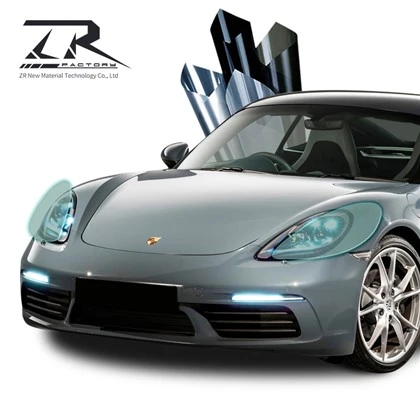
Car window tint is a thin film applied to the interior surface of a vehicle's windows. There are different types of window tints available, such as dyed, metallic, and Premium Ceramic Car Window Tint. Each type has its own characteristics, but in general, window tints are designed to reduce the amount of sunlight and heat entering the vehicle, protect the interior from fading, and provide privacy.
On the other hand, a head - up display is a technology that projects important information, such as speed, navigation instructions, and warning messages, onto the windshield in the driver's line of sight. This allows the driver to access crucial information without having to take their eyes off the road, enhancing safety and convenience.
Benefits of Using Car Window Tint with Head - Up Displays
-
Reduced Glare
One of the primary benefits of combining car window tint with a head - up display is the reduction of glare. Glare from sunlight can make it difficult to read the information projected on the HUD, especially during bright days or at certain angles. A High Heat Rejection Car Window Tint can significantly reduce the amount of sunlight entering the vehicle, minimizing glare and making the HUD more visible. -
Improved Visibility
In addition to reducing glare, window tint can also enhance the overall visibility of the HUD. By reducing the contrast between the bright sunlight outside and the relatively dim HUD projection, the tint helps the driver focus more easily on the information displayed. This is particularly important in high - contrast situations, such as when driving from a shaded area into direct sunlight. -
Protection of HUD Components
Car window tint can also provide some protection to the HUD components. The tint helps to block harmful UV rays, which can cause damage to the electronics and display elements of the HUD over time. By reducing the exposure to UV radiation, the tint can potentially extend the lifespan of the HUD and maintain its performance.
Challenges and Considerations
-
Compatibility Issues
Not all window tints are compatible with head - up displays. Some types of window tints, especially those with metallic particles, can interfere with the HUD projection. Metallic tints can cause reflection or distortion of the projected image, making it difficult to read. Therefore, it is crucial to choose a window tint that is specifically designed to be compatible with HUDs. As a supplier, I recommend Window Tint products that have been tested and proven to work well with HUD systems. -
Installation Precision
Proper installation of the window tint is essential when using it with a head - up display. Any bubbles, wrinkles, or misalignments in the tint can affect the clarity of the HUD projection. It is important to have the tint installed by a professional who has experience working with HUD - equipped vehicles. The installer should be careful to avoid covering the area of the windshield where the HUD projects the information. -
Legal Requirements
Different regions have different laws and regulations regarding window tinting. Some areas may have restrictions on the darkness of the tint, especially on the windshield. When using window tint with a head - up display, it is important to ensure that the tint complies with the local laws. Failure to do so can result in fines or other legal consequences.
Choosing the Right Window Tint for HUD - Equipped Vehicles
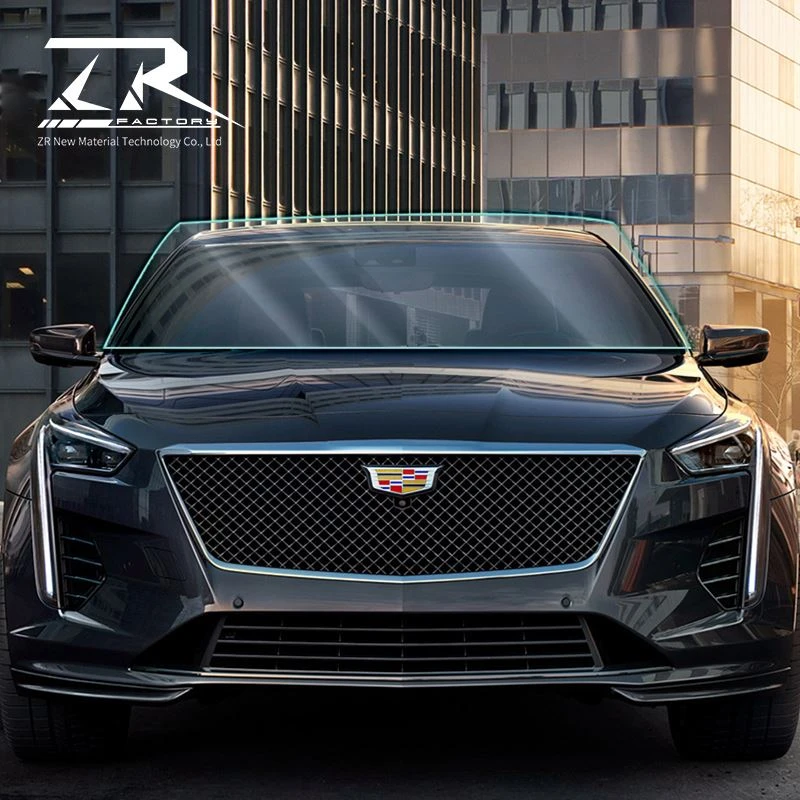
When selecting a window tint for a vehicle with a head - up display, there are several factors to consider:
-
Type of Tint
As mentioned earlier, avoid metallic tints if possible. Instead, opt for non - metallic tints such as dyed or ceramic tints. Premium Ceramic Car Window Tint is an excellent choice as it offers high heat rejection, UV protection, and is less likely to interfere with the HUD projection. -
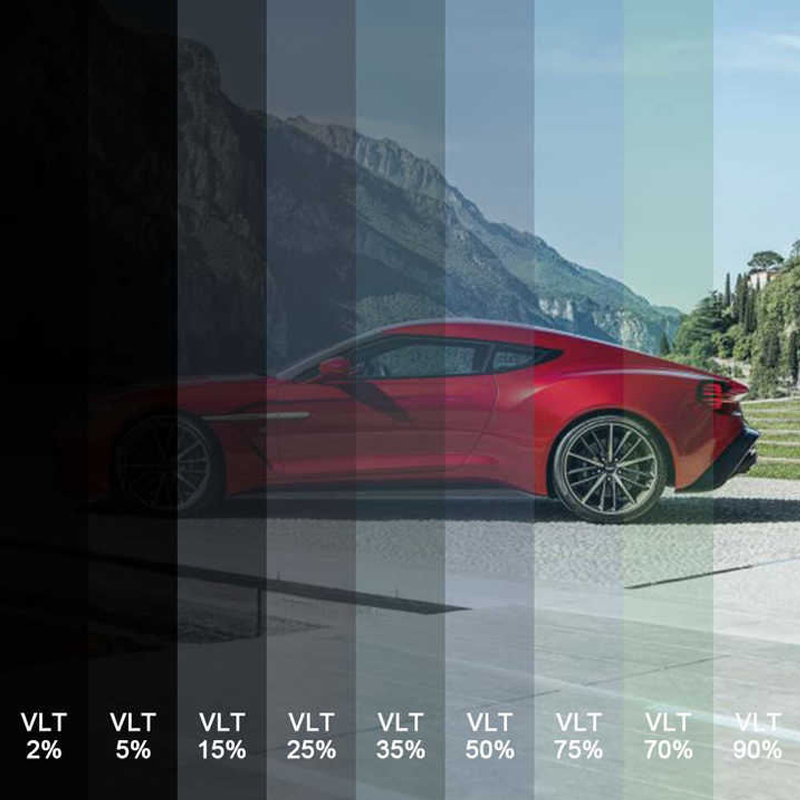
Visible Light Transmission (VLT)
The VLT of the window tint refers to the percentage of visible light that can pass through the tint. For the windshield, it is important to choose a tint with a relatively high VLT to ensure that the HUD projection remains visible. Most regions allow a certain percentage of VLT on the windshield, typically around 70% or higher. -
Quality and Brand
Choose a high - quality window tint from a reputable brand. A well - made tint is more likely to be compatible with the HUD and provide long - lasting performance. Look for tints that come with a warranty to protect your investment.
Installation and Maintenance
-
Professional Installation
As mentioned before, it is highly recommended to have the window tint installed by a professional. A professional installer has the skills and tools to ensure a precise and bubble - free installation. They can also provide advice on the best type of tint for your vehicle and its HUD system. -
Maintenance
Proper maintenance of the window tint is important to ensure its longevity and performance. Avoid using harsh chemicals or abrasive materials when cleaning the tinted windows. Instead, use a mild soap and water solution and a soft cloth. Regular cleaning will help keep the tint looking clear and prevent any buildup of dirt or grime that could affect the HUD visibility.
Conclusion
In conclusion, car window tint can work well with head - up displays, offering benefits such as reduced glare, improved visibility, and protection of HUD components. However, it is important to choose the right type of tint, ensure proper installation, and comply with local laws. As a car window tint supplier, I am committed to providing high - quality window tint products that are compatible with HUD - equipped vehicles. If you have a vehicle with a head - up display and are interested in window tinting, I encourage you to contact me for more information and to discuss your specific needs. We can work together to find the best solution for your vehicle, ensuring both style and functionality.
References
- "Automotive Window Tint Technology: A Comprehensive Guide." Industry Research Report, 2023.
- "Head - Up Display Systems in Modern Vehicles: Functionality and Safety." Journal of Automotive Engineering, Vol. 15, Issue 2, 2022.
- Local traffic laws and regulations regarding window tinting.