

Hey there! As a supplier of UV blocking film, I often get asked how this stuff actually works. So, I thought I'd break it down for you in a way that's easy to understand.
First off, let's talk about what UV rays are. UV, or ultraviolet, rays are a type of electromagnetic radiation that comes from the sun. There are three main types: UVA, UVB, and UVC. UVC rays are mostly absorbed by the Earth's atmosphere, so we don't have to worry too much about them. But UVA and UVB rays can reach the Earth's surface and cause all sorts of problems.
UVA rays are the ones that are responsible for premature aging, like wrinkles and age spots. They can also penetrate deep into the skin and damage the DNA in our cells, which can lead to skin cancer. UVB rays, on the other hand, are the ones that cause sunburn. They're also linked to skin cancer, as well as eye problems like cataracts.
So, how does UV blocking film help? Well, it's all about the special materials that are used in the film. Most UV blocking films are made with a combination of polymers and additives that are designed to absorb or reflect UV rays.
One of the key ingredients in UV blocking film is a type of chemical called a UV absorber. These chemicals work by absorbing the UV rays and converting them into heat, which is then dissipated. This helps to prevent the UV rays from reaching the surface that the film is applied to, whether it's a car window, a building window, or even a piece of furniture.
Another important component of UV blocking film is a reflective layer. This layer is usually made of a thin metal or metal oxide, and it works by reflecting the UV rays away from the surface. This helps to reduce the amount of UV radiation that is transmitted through the film.
Now, let's take a closer look at how UV blocking film works in different applications.
Car Windows
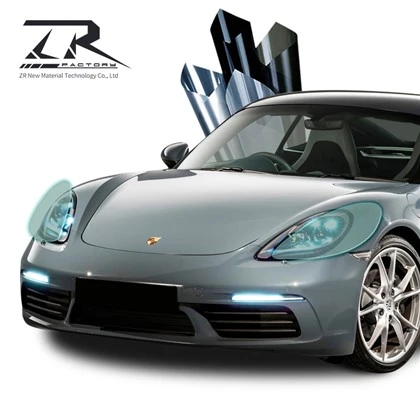
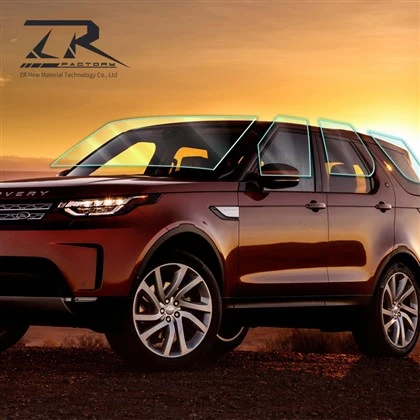
When it comes to cars, UV blocking film can be a game-changer. Not only does it protect the interior of your car from fading and cracking, but it also helps to keep you cool by reducing the amount of heat that is transferred through the windows.
Most car window films are designed to block both UVA and UVB rays, as well as infrared radiation. This means that they can help to reduce the temperature inside your car, which can make your drive more comfortable and also save you money on your air conditioning bill.
If you're interested in learning more about car window film, check out our Car Window Film page.
Building Windows
UV blocking film can also be used on building windows to protect the interior from fading and damage. This is especially important for commercial buildings, where the cost of replacing furniture and fixtures can be high.
In addition to protecting the interior, UV blocking film can also help to reduce the amount of heat that is transferred through the windows, which can help to lower your energy bills. This is because the film reflects a significant portion of the sun's energy, which means that your air conditioning system doesn't have to work as hard to keep the building cool.
If you're looking for a way to protect your building's interior and save on energy costs, check out our Solar Film Window Tint page.
Auto Paint Protection
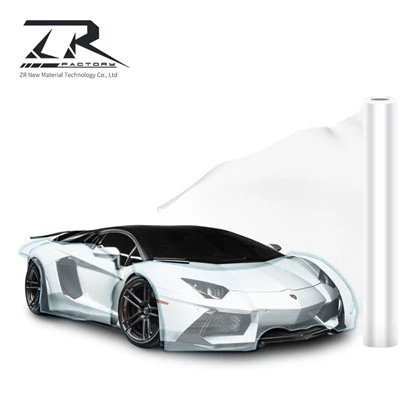
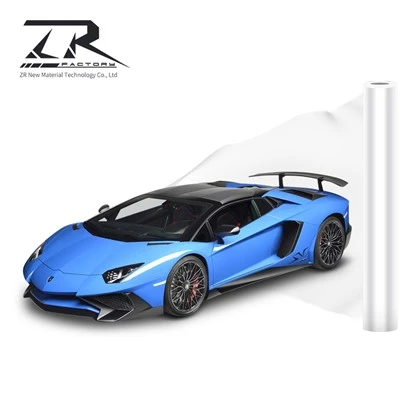
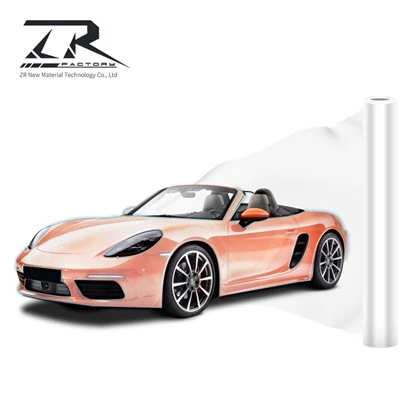
UV blocking film can also be used to protect your car's paint from fading and damage. This is especially important if you live in an area with a lot of sun exposure, as the UV rays can cause the paint to fade and lose its shine over time.
Most auto paint protection films are made with a clear, durable material that is designed to protect the paint from scratches, chips, and other types of damage. In addition to protecting the paint, these films also help to block UV rays, which can help to keep the paint looking new for longer.
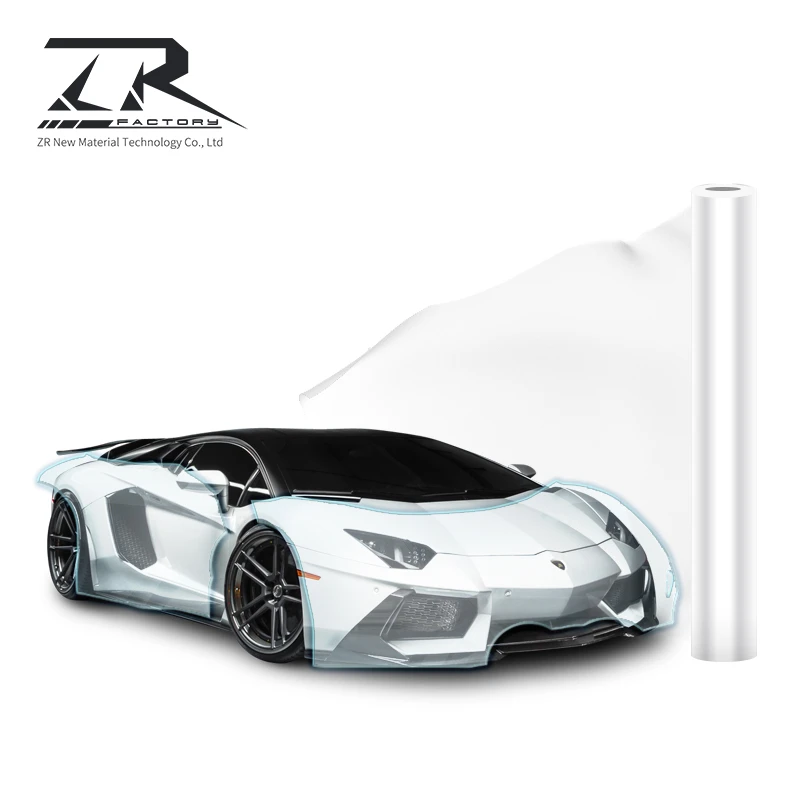
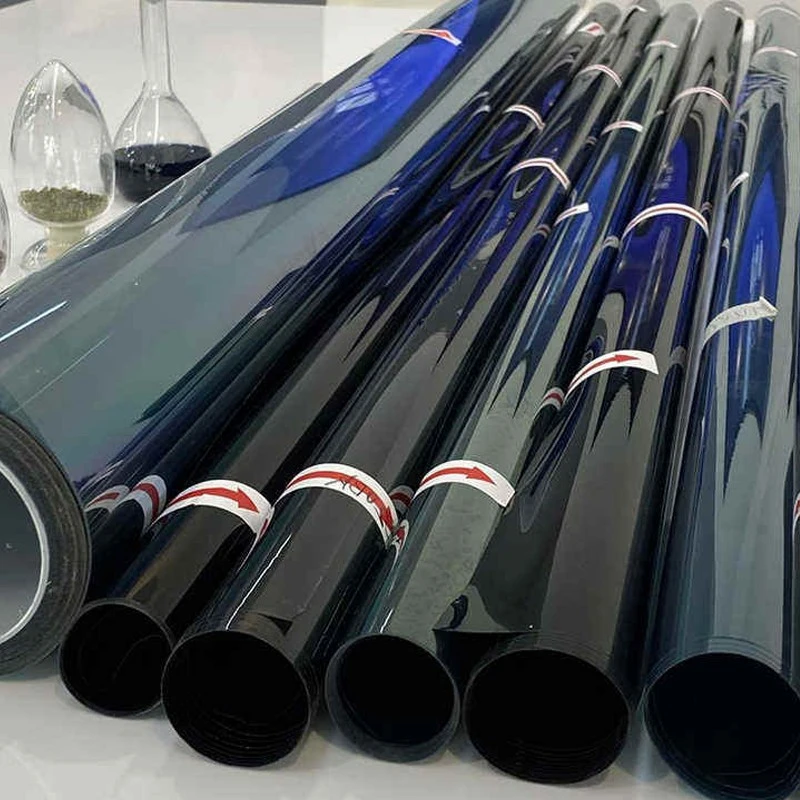
If you're interested in learning more about auto paint protection, check out our Clear Film Auto Paint Protection page.
How to Choose the Right UV Blocking Film
When it comes to choosing the right UV blocking film, there are a few things to keep in mind. First, you'll want to consider the level of UV protection that you need. Different films offer different levels of UV protection, so it's important to choose a film that meets your specific needs.
You'll also want to consider the type of surface that you'll be applying the film to. Different films are designed for different surfaces, so it's important to choose a film that is compatible with the surface that you'll be using it on.
Finally, you'll want to consider the cost of the film. UV blocking film can vary in price depending on the type of film, the level of UV protection, and the size of the area that you'll be covering. It's important to choose a film that fits your budget while still providing the level of protection that you need.
Conclusion
In conclusion, UV blocking film is a great way to protect your car, your home, and your furniture from the harmful effects of UV rays. Whether you're looking to protect your car's paint, your building's interior, or your furniture, there's a UV blocking film that's right for you.
If you're interested in learning more about UV blocking film or if you're ready to place an order, please don't hesitate to contact us. We'd be happy to help you choose the right film for your needs and answer any questions that you may have.
References
- American Academy of Dermatology. (n.d.). UV rays and your skin. Retrieved from https://www.aad.org/public/everyday-care/skin-care-secrets/prevention/uv-rays
- National Cancer Institute. (n.d.). Ultraviolet (UV) radiation. Retrieved from https://www.cancer.gov/about-cancer/causes-prevention/risk/sun/uv-radiation-fact-sheet