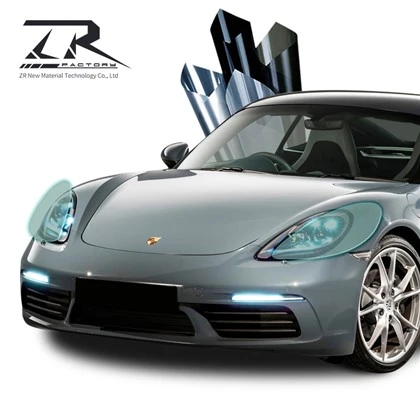


In the ever - evolving automotive industry, car sensors have become an integral part of modern vehicles, enhancing safety and performance. At the same time, window tinting has gained popularity not only for aesthetic reasons but also for its practical benefits such as heat reduction and UV protection. As a window tint supplier, I often encounter questions about how window tint interacts with car sensors. In this blog, we'll explore this topic in depth.
Understanding Car Sensors
Modern cars are equipped with a variety of sensors that play crucial roles in different systems. For example, parking sensors help drivers park safely by detecting obstacles around the vehicle. Adaptive cruise control sensors maintain a safe distance from the vehicle in front, adjusting the speed automatically. Lane - keeping assist sensors monitor the vehicle's position within the lane and alert the driver if the car drifts out of the lane without signaling.
These sensors work by emitting and receiving signals, which can be in the form of ultrasonic waves, infrared light, or radio waves. The proper functioning of these sensors is essential for the safety and performance of the vehicle.
Types of Window Tint and Their Composition
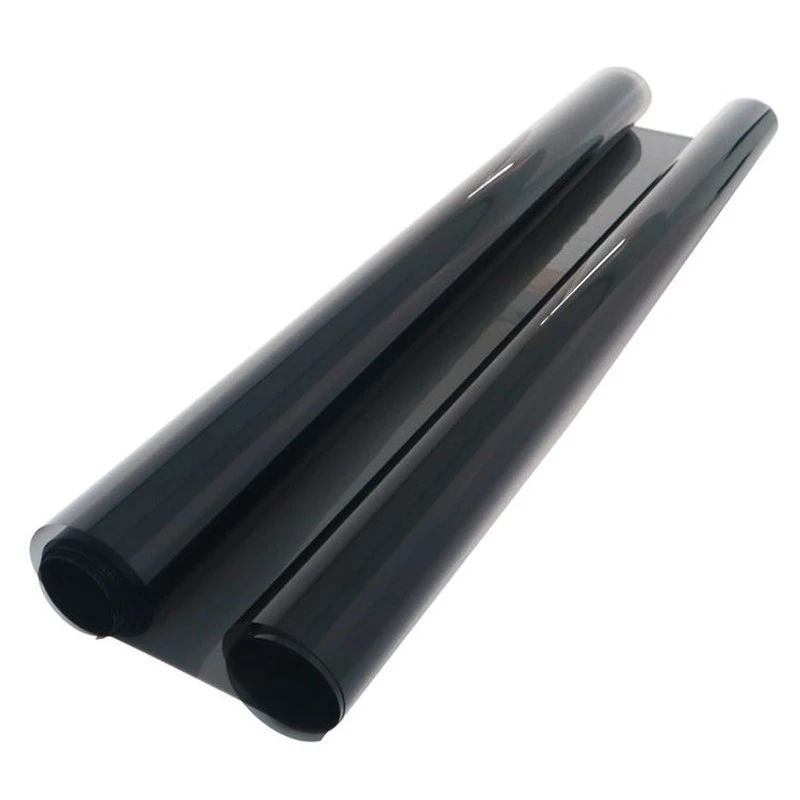
Before delving into the interaction between window tint and car sensors, it's important to understand the different types of window tint available. There are dyed window tints, which are the most basic and affordable type. They are made by adding dye to a polyester film. Metalized window tints contain tiny metal particles that reflect heat and UV rays. Ceramic window tints, on the other hand, use ceramic particles and offer high heat rejection without interfering with electronic signals as much as metalized tints.
The composition of the window tint affects its properties, including its ability to interact with car sensors. For instance, metalized tints, due to the presence of metal particles, have the potential to interfere with sensor signals more than dyed or ceramic tints.
How Window Tint Can Interact with Car Sensors
Signal Blockage
One of the main concerns when it comes to window tint and car sensors is signal blockage. Metalized window tints, with their metal particles, can act as a barrier to the signals emitted and received by sensors. For example, if a car has a sensor located near a window and the window is tinted with a metalized film, the metal particles in the tint may reflect or absorb the sensor's signals. This can lead to inaccurate readings or even complete sensor failure.
In the case of ultrasonic parking sensors, which rely on sound waves to detect objects, the presence of a thick or highly reflective window tint may cause the sound waves to bounce off the tint in an unexpected way, affecting the sensor's ability to accurately detect obstacles.
Signal Interference
Apart from blockage, window tint can also cause signal interference. Some types of window tint may generate electromagnetic interference (EMI). This is particularly true for metalized tints, as the metal particles can create an electromagnetic field that disrupts the normal operation of sensors. For example, a sensor that uses radio waves, such as those in some advanced driver - assistance systems (ADAS), may experience interference from the EMI generated by a metalized window tint.
This interference can result in false alarms, where the sensor detects non - existent objects, or it may cause the sensor to miss real objects, posing a significant safety risk.
Impact on Sensor Accuracy
Even if the window tint does not completely block or interfere with the sensor signals, it can still affect the accuracy of the sensors. For example, a tint that reduces the amount of light passing through the window can impact the performance of cameras used in lane - keeping assist or blind - spot monitoring systems. If the camera does not receive enough light, the images it captures may be blurry or of poor quality, leading to inaccurate readings and potentially reducing the effectiveness of the safety system.
Minimizing the Impact of Window Tint on Car Sensors
Choose the Right Type of Tint
As a window tint supplier, I always recommend choosing the right type of tint to minimize the impact on car sensors. Ceramic window tints are a great option as they offer excellent heat rejection and UV protection without significantly interfering with sensor signals. They do not contain metal particles, so the risk of signal blockage or interference is much lower compared to metalized tints.
Car Tint is a product range that includes different types of tints, and we can help you select the one that is most suitable for your vehicle's sensor system.
Professional Installation
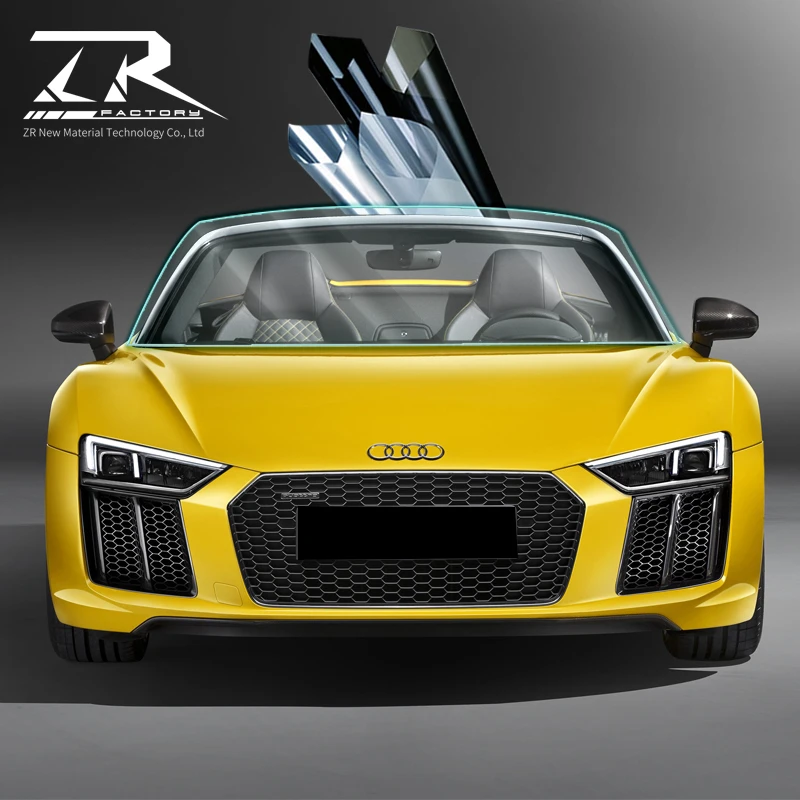
Proper installation is crucial to ensure that the window tint does not interfere with the car sensors. A professional installer will be aware of the location of the sensors and will take care not to cover them with the tint. They will also ensure that the tint is applied evenly and without any bubbles or wrinkles that could potentially affect the sensor's performance.
Regular Maintenance and Inspection
After the window tint is installed, it's important to regularly maintain and inspect the tint and the sensors. Check for any signs of damage to the tint, such as peeling or cracking, as this could potentially affect the sensor signals. Also, have the sensors inspected by a professional to ensure that they are functioning properly.
Benefits of Window Tint Despite Sensor Concerns
Despite the potential interaction with car sensors, window tint offers many benefits that make it a popular choice for car owners. High Transparency Window Film - Clear Heat Insulation Film For Home Office Light Transmission and Summer Heat Rejection Window Tint - Premium UV Protection Film For Home & Car are examples of products that can significantly reduce the heat inside the car, making it more comfortable during hot weather.
Window tint also provides UV protection, which helps to prevent the interior of the car from fading and cracking. It can also enhance privacy and security by making it more difficult for people to see inside the car.
Conclusion
In conclusion, window tint can interact with car sensors in various ways, including signal blockage, interference, and impact on accuracy. However, by choosing the right type of tint, having it professionally installed, and conducting regular maintenance and inspections, these issues can be minimized.
As a window tint supplier, we are committed to providing high - quality products and expert advice to ensure that you can enjoy the benefits of window tint without compromising the performance of your car's sensors. If you are interested in purchasing window tint for your vehicle or have any questions about how it may interact with your car's sensors, please feel free to contact us for a consultation. We look forward to discussing your needs and helping you make the best choice for your vehicle.
References
- "Automotive Sensors: Technology, Trends, and Applications" by R. K. Mittal
- "Window Tinting: A Comprehensive Guide" by Auto Glass and Tint Association