

Car window tint film has become a popular addition for many vehicle owners, offering benefits such as enhanced privacy, reduced glare, and protection from harmful UV rays. As a leading car window tint film supplier, I often receive inquiries from customers about how long it takes for the tint film to dry completely. In this blog post, I'll delve into the factors that influence the drying time and provide some practical insights to help you understand this process better.
The Science Behind Window Tint Drying
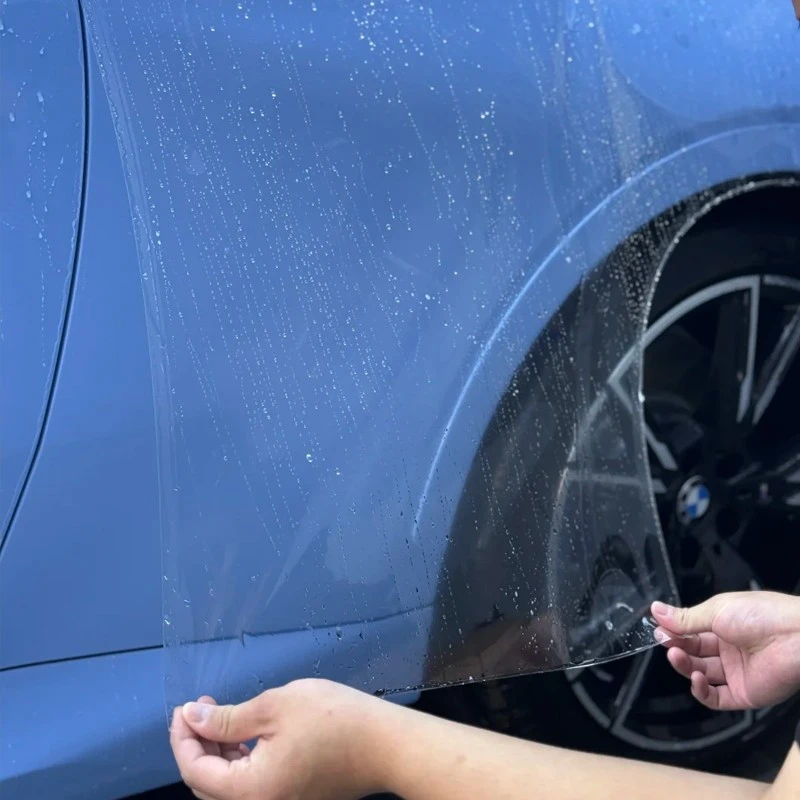
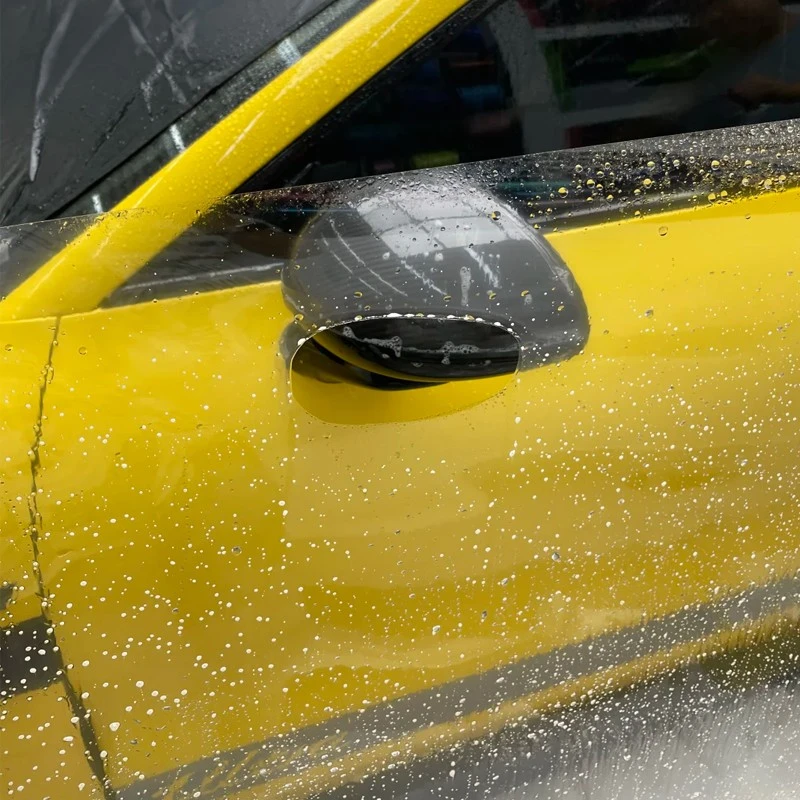
Before we get into the specifics of drying time, it's important to understand the basic principle of how window tint film adheres to a car window. Most car window tint films are adhesive-backed, and during the installation process, a soapy water solution is used to help position the film correctly on the glass. This soapy water fills the space between the film and the glass, acting as a lubricant that allows for easy adjustment. Once the film is in place, the moisture needs to evaporate for the adhesive to bond fully with the glass, effectively "drying" the tint.
Factors Affecting Drying Time
Several key factors can influence how long it takes for car window tint film to dry completely. Let's take a closer look at each of them.
1. Temperature
Temperature plays a crucial role in the drying process. Higher temperatures generally accelerate the evaporation of the water between the film and the glass, leading to a faster drying time. On a warm summer day, with temperatures around 80°F (27°C) and above, the tint may dry in as little as a few days. Conversely, in colder temperatures, the drying process slows down significantly. If the temperature drops below 50°F (10°C), it could take up to a couple of weeks for the tint to dry completely.
2. Humidity
Humidity is another important factor. High humidity levels mean that the air is already saturated with moisture, which makes it more difficult for the water under the tint film to evaporate. In areas with high humidity, such as coastal regions or during the rainy season, the drying time can be extended. Even on warm days, if the humidity is above 70%, it may take longer for the tint to dry compared to a low - humidity environment with the same temperature.
3. Type of Tint Film
Different types of window tint films may have varying drying times. For example, dyed tint films, which are more budget - friendly, typically dry faster than metalized or ceramic tint films. Metalized and ceramic tint films often have more layers and complex structures, which can slow down the evaporation of the water between the film and the glass.
4. Window Size and Shape
Larger windows have more surface area, which means there is more water to evaporate. As a result, tinting a larger window, such as the rear windshield of an SUV, will generally take longer to dry compared to a smaller side window. Additionally, windows with irregular shapes, such as those with curves or angles, can trap water in certain areas, further prolonging the drying process.
General Drying Time Estimates
Based on the factors mentioned above, here are some general estimates of how long it takes for car window tint film to dry completely:
- Ideal Conditions: In ideal conditions (temperature between 75 - 85°F or 24 - 29°C and humidity below 50%), most standard window tint films will dry within 3 to 5 days. This is the best - case scenario and is most commonly achievable during sunny days in the spring or fall.
- Average Conditions: Under average conditions, with temperatures around 65 - 75°F (18 - 24°C) and moderate humidity (50 - 70%), the drying time can range from 7 to 10 days. This is a typical scenario for many regions during the summer months when there may be some cloud cover or occasional showers.
- Challenging Conditions: In less favorable conditions, such as cold temperatures (below 50°F or 10°C) or high humidity (above 70%), the drying process can take up to 14 days or even longer. These conditions are often found in winter or in areas with a tropical climate.
Signs That Your Window Tint Is Dry
It's important to wait for the tint to dry completely before using your car in a way that could damage the film. Here are some signs that indicate the tint has dried:
- Clear Appearance: When the tint is dry, the film will look clear and free of any water spots or bubbles. Any haziness or streaks that were present immediately after installation should disappear.
- Firm Adhesion: Gently press on the edge of the tint film. If it is dry, it should feel firmly adhered to the glass and not move or lift.
- No More Squeaking Sounds: When the water between the film and the glass has evaporated, there will be no more squeaking sounds when you roll the window up or down (if applicable).
Tips for Faster Drying
If you're eager to have your tint dry as quickly as possible, here are some tips you can follow:
- Park in the Sun: Parking your car in direct sunlight can help increase the temperature of the windows, speeding up the evaporation process. However, be careful not to park in extreme heat for an extended period, as this can also damage the tint film.
- Use a Hairdryer (with Caution): On cold days, you can use a hairdryer on a low - heat setting to gently warm the windows from a distance. Keep the hairdryer moving to avoid overheating the film, which could cause it to bubble or peel.
- Keep Windows Closed: Avoid opening or rolling down the windows for at least a few days after installation. This helps to maintain a stable environment for the tint to dry and prevents dust or debris from getting trapped between the film and the glass.
Our Product Range and Quality
As a trusted car window tint film supplier, we offer a wide range of high - quality tint films to meet different customer needs. In addition to our standard window tint films, we also provide PPF Car Protection Film, which offers excellent protection for your car's paintwork. Our Self - healing Car Film has the unique ability to repair minor scratches on its own, ensuring your car always looks its best. And for those who want the ultimate in protection, our TOP Series Clear TPU PPF provides superior clarity and durability.
Contact Us for Procurement
If you're interested in purchasing our car window tint films or any of our other products, we'd love to hear from you. Our team of experts can provide you with detailed information about our products, help you choose the right tint for your vehicle, and answer any questions you may have about the installation and drying process. Whether you're a car enthusiast looking to upgrade your vehicle or a professional installer in need of high - quality supplies, we're here to serve you.
References
- "Automotive Window Tinting: A Comprehensive Guide" - Industry publication on automotive accessories.
- "The Science of Adhesive Bonding in Window Tinting" - Research paper on the technology behind window tint installation.