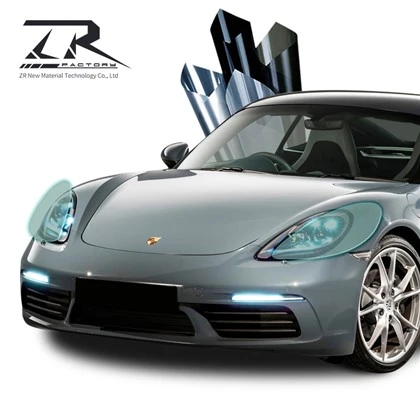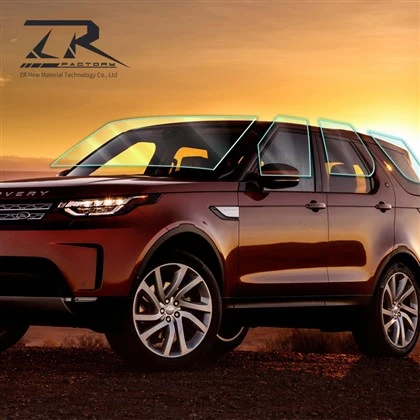


Yo, car enthusiasts! If you're like me, you know how annoying glare can be when you're out on the road. Driving under the bright sun or dealing with the headlights of oncoming cars at night can seriously mess with your vision. That's where car window tint film comes in. As a car window tint film supplier, I've got some insights to share with you about just how much glare reduction you can expect from these bad boys.
First off, let me break down what glare is and why it's such a pain. Glare happens when light bounces off a surface and into your eyes in a really intense way. In a car, it can come from the sun reflecting off the road, the hood of your car, or even the windshields of other vehicles. At night, it can be the bright headlights of cars behind you or in oncoming traffic. This intense light can make it hard to see clearly, causing eye strain, headaches, and even reducing your reaction time while driving.
So, how does car window tint film help with glare? Well, the main way is by reducing the amount of light that passes through your car windows. Tint films are made with special materials that absorb and block a certain percentage of the sunlight and other light sources. The darker the tint, the more light it blocks, and the more glare it reduces.
But it's not just about how dark the tint is. The quality of the tint film also plays a big role. High - quality tint films are designed to have better light - absorbing properties and are more evenly distributed across the film. This means they can provide more consistent glare reduction. Cheaper, lower - quality films might not block light as effectively or could have uneven tinting, which can actually create more visual distractions.
Now, let's talk numbers. The amount of glare reduction you can expect depends on the VLT (Visible Light Transmission) percentage of the tint film. VLT is the percentage of visible light that is allowed to pass through the tinted window. For example, a tint film with a 20% VLT means that only 20% of the visible light can get through, while 80% is blocked.
Generally speaking, as the VLT percentage decreases, the glare reduction increases. A tint film with a VLT of around 50% will reduce glare to a certain extent. It'll make the sunlight a bit less harsh and can help with some of the reflection off the road. But if you're really looking for significant glare reduction, you might want to go for a lower VLT. Tints with a VLT of 30% or lower can make a huge difference. They can cut down on a large portion of the glare, making it much more comfortable to drive, especially on bright, sunny days or at night.
For example, if you're driving in a place with a lot of sunlight, like Arizona or Florida, a 20% VLT tint can be a game - changer. It'll block out most of the harsh sunlight and related glare, allowing you to focus on the road without having to squint your eyes all the time. At night, it can also help reduce the distraction from the headlights of other cars.
Another factor to consider is the type of tint film. There are different types out there, such as dyed tint, metalized tint, and ceramic tint.
Dyed tint is the most basic and affordable option. It works by using layers of dye to absorb light and reduce glare. While it can provide some level of glare reduction, it might not be as effective as the other types in the long run. The dye can fade over time, especially if it's exposed to a lot of sunlight, which can reduce its glare - blocking ability.
Metalized tint, on the other hand, contains tiny metal particles that reflect light. This type of tint can be very effective at reducing glare, as it not only absorbs light but also bounces it away from the window. However, one drawback of metalized tint is that it can interfere with some electronic devices in your car, like your GPS or cell phone signal.
Ceramic tint is the top - of - the - line option. It uses ceramic particles that are non - metallic, so they don't interfere with electronic signals. Ceramic tint is great at blocking both heat and glare. It can provide excellent glare reduction while also keeping your car cooler inside. If you're willing to spend a bit more, ceramic tint is definitely worth considering.
Now, I know you might be thinking about how tinting your car windows affects your visibility. After all, you still need to be able to see clearly while driving. That's why it's important to choose the right VLT percentage for your needs. Most states have laws regarding how dark your car window tints can be, especially for the front windows. You'll want to make sure you're within the legal limits while still getting the glare reduction you want.
In addition to glare reduction, car window tint film has other benefits too. It can protect your car's interior from fading due to sun exposure. The UV rays from the sun can cause your seats, dashboard, and other interior components to fade over time. Tint film can block a large percentage of these UV rays, helping to keep your car looking new for longer.
It can also provide some level of privacy. If you don't want people to easily see inside your car, a darker tint can do the trick. This is especially useful if you keep valuable items in your car.
If you're interested in other car protection products, we also offer High Gloss Car Paint Protection Wrap, Whole Car Paint Protection Film, and Invisible Clear Bra for Cars. These products can help protect your car's paint from scratches, chips, and other damage.
So, if you're tired of dealing with glare while driving and want to improve your driving experience, car window tint film is definitely worth considering. As a supplier, I can offer you a variety of options in terms of VLT percentages, types of tint, and quality levels. Whether you're looking for a basic, affordable solution or a high - end ceramic tint, we've got you covered.
If you're interested in purchasing our car window tint films or other car protection products, I'd love to have a chat with you about your needs. Just reach out to discuss the best options for your car and budget. Let's make your driving experience safer and more comfortable!
References:
- Automotive Window Tinting Regulations: Various state government websites
- Tint Film Manufacturer Specifications