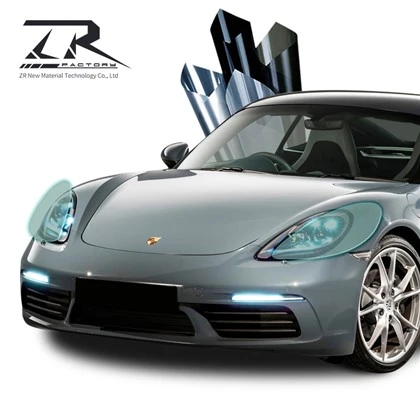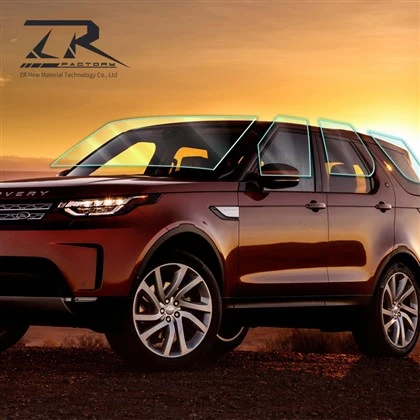


When it comes to enhancing your vehicle, one option that often comes up is ceramic car tint. As a car tint supplier, I've seen firsthand the growing interest in this high - end tinting solution. But the question on many car owners' minds is: Is ceramic car tint worth the cost? Let's dive into the details and find out.
Understanding Ceramic Car Tint
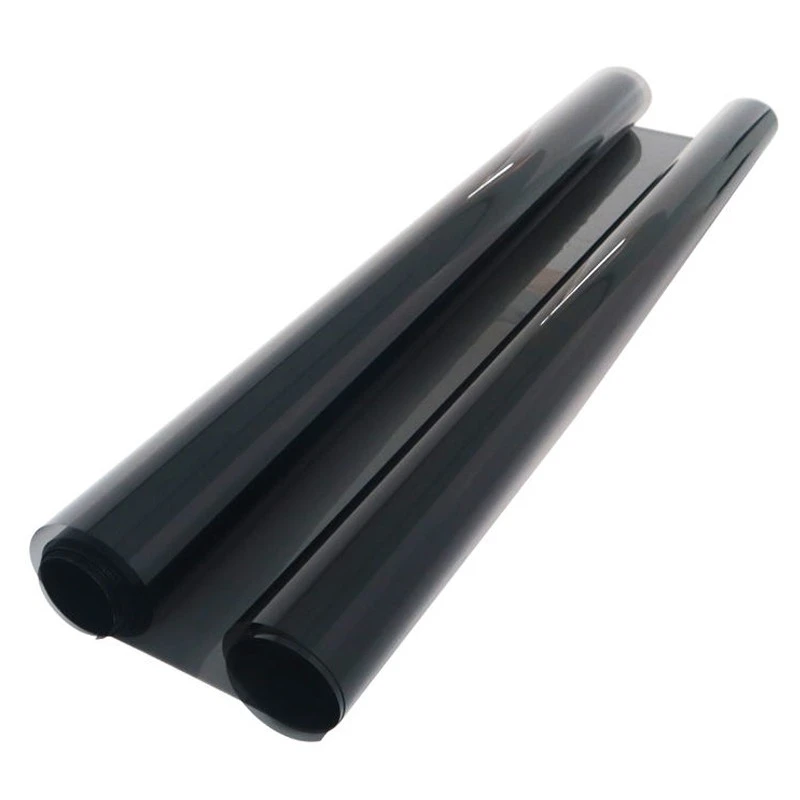
Ceramic car tint is a type of window film that uses advanced ceramic particles. Unlike traditional dyed or metallic tints, ceramic tints don't rely on dyes to darken the window or metals to block heat. Instead, the ceramic particles are engineered to provide a high level of heat rejection and UV protection while maintaining optical clarity.
The Benefits of Ceramic Car Tint
Heat Rejection
One of the most significant advantages of ceramic car tint is its exceptional heat - rejecting capabilities. The ceramic particles in the tint are designed to reflect and absorb infrared radiation, which is the primary source of heat in a vehicle. This means that even on the hottest days, your car's interior will stay cooler. For example, studies have shown that ceramic car tint can reduce the interior temperature of a car by up to 20 degrees Fahrenheit compared to a non - tinted vehicle. This not only makes your driving experience more comfortable but also reduces the strain on your car's air conditioning system, potentially saving you on fuel costs in the long run. You can find more information about heat - insulating window films on our Premium Heat Insulation Window Film For Home & Car - 99% UV Block 90% Heat Rejection page.
UV Protection
Ultraviolet (UV) rays from the sun can cause significant damage to your car's interior. They can fade the upholstery, crack the dashboard, and even cause skin damage to the occupants. Ceramic car tint offers excellent UV protection, blocking up to 99% of UV rays. This protection helps to preserve the appearance and value of your vehicle, as well as protecting you and your passengers from the harmful effects of UV radiation.
Optical Clarity
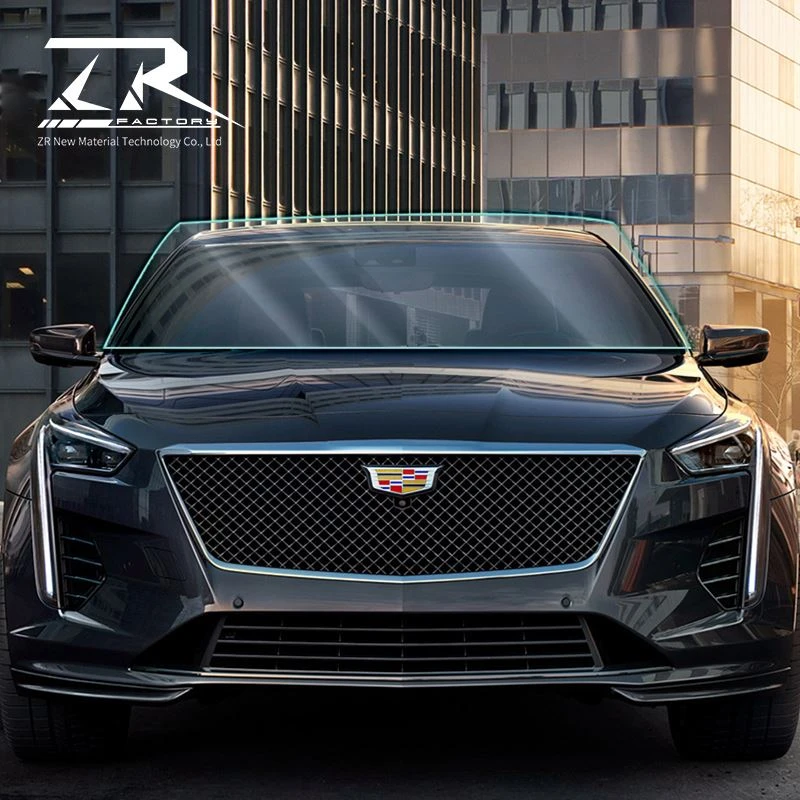
Ceramic tints are known for their high optical clarity. Unlike some metallic tints that can cause interference with electronic devices such as GPS systems and cell phones, ceramic tints do not contain metals. This means that you can enjoy a clear view out of your windows without any distortion or signal interference. Whether you're driving at night or in bright sunlight, the clarity provided by ceramic car tint ensures a safer and more enjoyable driving experience.
Durability
Ceramic car tints are generally more durable than other types of window films. They are less likely to fade, bubble, or peel over time. This durability means that you won't have to worry about replacing the tint frequently, which can save you money in the long term. With proper care, a ceramic car tint can last for many years, providing long - lasting benefits for your vehicle.
The Cost of Ceramic Car Tint
It's no secret that ceramic car tint is more expensive than other types of window films. The cost can vary depending on factors such as the size of your vehicle, the brand of the tint, and the installation fees. On average, you can expect to pay anywhere from $500 to $1500 for a full - vehicle ceramic tint installation. This higher cost is due to the advanced technology and materials used in ceramic tints. However, when you consider the long - term benefits, the cost may be justified.
Comparing Ceramic Car Tint with Other Types of Tints
Dyed Tints
Dyed tints are the most basic and affordable type of window film. They work by absorbing heat through the use of dyes in the film. While they can darken the window and provide some level of heat reduction, they are not as effective as ceramic tints in terms of heat rejection and UV protection. Additionally, dyed tints are more likely to fade over time, especially in areas with intense sunlight. You can find a variety of window tints, including dyed tints, on our Window Tint page.
Metallic Tints
Metallic tints use a thin layer of metal to reflect heat. They are more effective at heat rejection than dyed tints but can cause interference with electronic devices. Metallic tints also tend to have a lower optical clarity compared to ceramic tints. In some cases, they may also be more prone to corrosion, especially in humid environments.
Is It Worth the Cost?
The answer to whether ceramic car tint is worth the cost depends on your individual needs and priorities. If you're someone who values comfort, protection, and long - term durability, then the investment in ceramic car tint may be well worth it. The heat rejection and UV protection can significantly enhance your driving experience and protect your vehicle's interior. The optical clarity and lack of electronic interference also make it a safer option.
On the other hand, if you're on a tight budget and don't mind sacrificing some of the advanced features, a dyed or metallic tint may be a more suitable choice. However, keep in mind that these tints may not provide the same level of performance and longevity as ceramic tints.
Customization and Installation
At our company, we understand that every vehicle is unique. That's why we offer Custom Size Window Film - Tailored Heat Insulation Tint For Home Office Automotive. Our team of experienced installers ensures that the tint is applied correctly, providing a seamless and professional finish. We also offer a warranty on our installations, giving you peace of mind knowing that your investment is protected.
Conclusion
In conclusion, ceramic car tint offers a range of benefits that make it a compelling option for many car owners. While it comes with a higher price tag, the long - term advantages in terms of heat rejection, UV protection, optical clarity, and durability can make it a worthwhile investment. If you're considering upgrading your vehicle's window tint, I encourage you to reach out to us to discuss your options. Our team of experts can help you determine if ceramic car tint is the right choice for you and provide you with a detailed quote. Don't hesitate to contact us for more information or to start the purchasing process. We look forward to helping you enhance your vehicle with the best car tint solutions.
References
- Automotive Window Tint Association Research Reports
- Independent studies on window film performance
- Manufacturer's specifications for ceramic car tint products