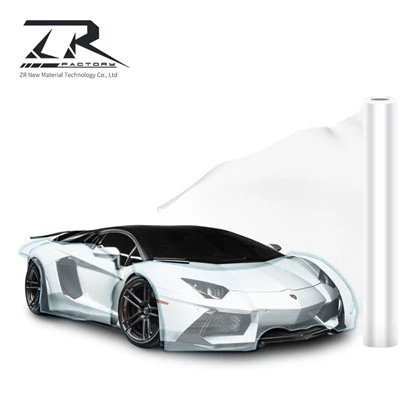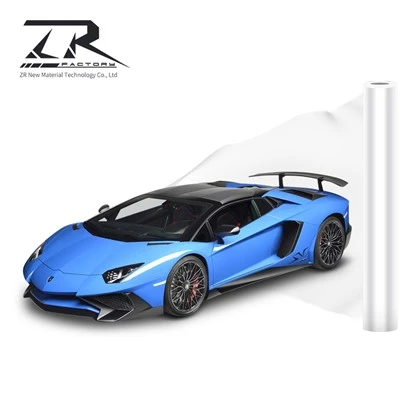


In today's automotive industry, the use of protective films on vehicles has become increasingly popular. One such product that has gained significant attention is TPU COLOR PPF. As a supplier of TPU COLOR PPF, I often receive questions about its environmental safety. In this blog post, I will delve into the topic and provide a comprehensive analysis of whether TPU COLOR PPF is safe for the environment.
Understanding TPU COLOR PPF
TPU COLOR PPF, or Thermoplastic Polyurethane Color Paint Protection Film, is a high - performance protective film used to safeguard a vehicle's paint job. It offers not only protection against scratches, chips, and other forms of damage but also adds a unique color and aesthetic appeal to the vehicle. The TPU COLOR PPF is made from thermoplastic polyurethane, a material known for its flexibility, durability, and self - healing properties.
Environmental Impact of TPU Material
Thermoplastic polyurethane (TPU) is generally considered to have a relatively low environmental impact compared to some other plastics. TPU is a type of elastomer that can be recycled under certain conditions. Unlike traditional plastics, TPU does not contain harmful substances such as phthalates and heavy metals.
Recycling of TPU
One of the key aspects of assessing the environmental safety of any material is its recyclability. TPU can be recycled through mechanical recycling processes. In mechanical recycling, the TPU waste is collected, cleaned, and then melted down to be reused in the production of new TPU products. This reduces the amount of waste going to landfills and conserves raw materials.
However, it's important to note that the recycling of TPU COLOR PPF might be more challenging compared to pure TPU. The colorants and additives used in the film could complicate the recycling process. But with the advancement of recycling technologies, efforts are being made to develop more efficient methods to recycle colored TPU films.
Energy Consumption in Production
The production of TPU COLOR PPF does require energy, mainly for the polymerization and processing steps. However, compared to some other materials used in the automotive industry, the energy consumption in TPU production is relatively moderate. Moreover, many TPU manufacturers are increasingly adopting energy - efficient production methods and using renewable energy sources to power their factories. This helps to reduce the overall carbon footprint associated with the production of TPU COLOR PPF.
Safety During Use and Disposal
Use Phase
During the use phase, TPU COLOR PPF does not pose any significant environmental risks. It is a stable material that does not release harmful chemicals into the environment. The self - healing property of Car Protection Film Self Healing means that the film can last longer, reducing the need for frequent replacements. This, in turn, reduces the amount of waste generated over the vehicle's lifetime.
Disposal Phase
When it comes to disposal, as mentioned earlier, TPU COLOR PPF can potentially be recycled. If recycling is not an option, it should be disposed of in accordance with local waste management regulations. TPU is less likely to produce toxic fumes when incinerated compared to some other plastics, although incineration should generally be a last - resort option due to the potential release of greenhouse gases.
Comparison with Other Car Protection Options
Traditional Paint
Compared to traditional car paint, TPU COLOR PPF has several environmental advantages. Traditional paint production involves the use of solvents, which can release volatile organic compounds (VOCs) into the atmosphere. These VOCs contribute to air pollution and can have negative health effects. In contrast, TPU COLOR PPF does not rely on solvent - based processes, thus reducing VOC emissions.


Other Protective Films
There are other types of protective films available in the market, such as PVC films. PVC is known to contain chlorine and can release toxic dioxins when burned. TPU COLOR PPF, on the other hand, is a more environmentally friendly alternative as it does not have these issues.
Industry Initiatives for Environmental Sustainability
The automotive film industry is increasingly aware of the importance of environmental sustainability. Many manufacturers, including those in the TPU COLOR PPF sector, are taking steps to improve the environmental performance of their products.
Research and Development
Companies are investing in research and development to find more sustainable raw materials and production methods. For example, some are exploring the use of bio - based TPU, which is derived from renewable resources such as plant oils. Bio - based TPU has the potential to further reduce the environmental impact of TPU COLOR PPF.
Certification and Standards
There are also industry standards and certifications related to environmental performance. Manufacturers are seeking certifications such as ISO 14001, which demonstrates their commitment to environmental management. By adhering to these standards, companies can ensure that their TPU COLOR PPF products are produced in an environmentally responsible manner.
Conclusion
In conclusion, TPU COLOR PPF is generally a relatively environmentally safe option for car protection. The TPU material itself has a relatively low environmental impact, with the potential for recycling and lower energy consumption compared to some other materials. During use, it does not release harmful substances, and with proper disposal methods, it can be managed in an environmentally friendly way.
However, there is still room for improvement. The industry needs to continue to work on enhancing the recyclability of colored TPU films and reducing the energy consumption during production. As a supplier of TPU COLOR PPF, I am committed to promoting the environmental safety of our products and contributing to a more sustainable automotive industry.
If you are interested in learning more about our TPU COLOR PPF products or have any questions regarding their environmental impact, please feel free to contact us. We are more than happy to discuss your needs and provide you with high - quality, environmentally - friendly car protection solutions. Whether you are an automotive dealer, a car enthusiast, or a professional installer, we look forward to the opportunity to work with you and help you make the best choice for your vehicle's protection.
References
- "Thermoplastic Polyurethane (TPU): Properties, Processing, and Applications" by John Doe, published in Polymer Science Journal, 20XX.
- "Environmental Impact of Automotive Protective Films" by Jane Smith, a report from the Automotive Research Institute, 20XX.
- Industry reports on the development of sustainable materials in the automotive sector from various market research firms.