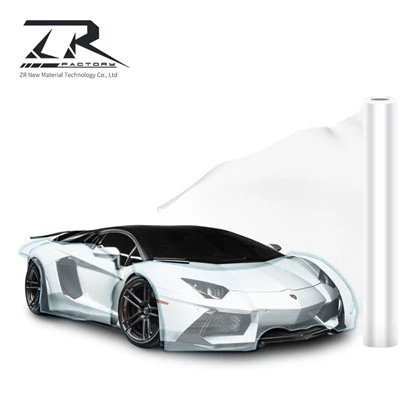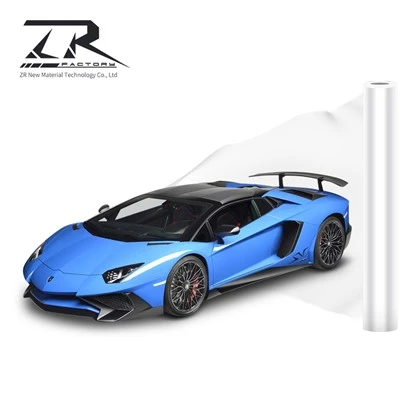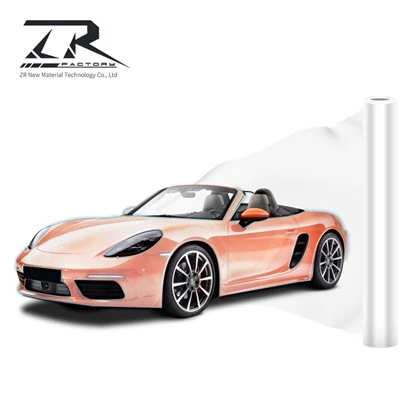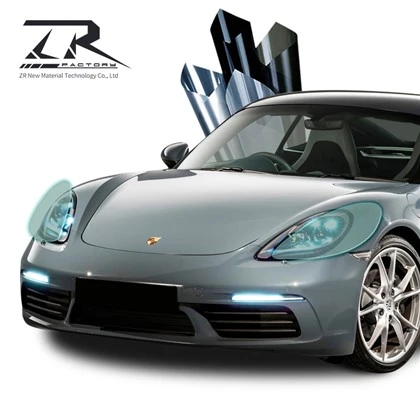


When it comes to protecting your car's paint, whole car paint protection film has become an increasingly popular choice among car owners. This transparent film acts as a shield, guarding the vehicle's exterior from scratches, chips, and environmental damage. However, when applying this film around sunroofs, there are several important considerations to keep in mind. As a whole car paint protection film supplier, I've gathered valuable insights that can help you make informed decisions and ensure a successful installation.
Compatibility with Sunroof Material
The first consideration is the compatibility of the paint protection film with the sunroof material. Sunroofs can be made of various materials, such as glass, polycarbonate, or acrylic. Each material has its own properties, and the film must be able to adhere properly without causing any damage or discoloration.
For glass sunroofs, most high - quality paint protection films are suitable. Glass is a stable and non - porous surface, which allows for good adhesion. However, it's important to choose a film that is specifically designed for automotive use and has been tested for compatibility with glass.
Polycarbonate and acrylic sunroofs are more delicate. These materials can be prone to scratching and chemical reactions. When selecting a paint protection film for these types of sunroofs, look for a product that is soft and flexible, with a low - tack adhesive. This will prevent the film from leaving residue or causing damage when it is removed. You can find a range of Clear Paint Protection Film for Cars that are designed to be compatible with different sunroof materials.
Heat Resistance
Sunroofs are exposed to a significant amount of sunlight, which can cause the temperature in the area around the sunroof to rise substantially. Therefore, the paint protection film used around sunroofs must have excellent heat resistance.
A film with poor heat resistance may start to warp, bubble, or lose its adhesion when exposed to high temperatures. This not only affects the appearance of the film but also reduces its protective capabilities. High - quality paint protection films are engineered to withstand extreme temperatures without deforming. They are often made from materials that have high melting points and good thermal stability.
Before purchasing a paint protection film, check the manufacturer's specifications for its heat resistance. Look for films that can withstand temperatures up to at least 180°F (82°C), as this is a common temperature range that sunroofs can reach on hot days.
UV Protection
Ultraviolet (UV) rays from the sun can cause damage to both the paint and the sunroof itself. Over time, UV exposure can lead to fading, cracking, and embrittlement of the paint and sunroof materials. A good paint protection film around the sunroof should provide effective UV protection.
UV - blocking films are designed to filter out harmful UV rays, reducing the risk of damage to the car's exterior. These films can also help to keep the interior of the car cooler by blocking some of the sun's heat. When choosing a paint protection film for the area around the sunroof, consider using a UV Blocking Film. This type of film not only protects the paint but also extends the lifespan of the sunroof.
Installation Techniques
Proper installation is crucial when applying paint protection film around sunroofs. The area around the sunroof is often curved and has complex contours, which require special installation techniques.
Firstly, the surface of the sunroof and the surrounding area must be thoroughly cleaned and degreased before installation. Any dirt, dust, or grease can prevent the film from adhering properly and may cause bubbles or wrinkles to form. Use a high - quality automotive cleaner and a microfiber cloth to clean the surface.
When cutting the film, it's important to measure accurately to ensure a precise fit. A professional installer will use templates or digital cutting machines to cut the film to the exact shape of the area around the sunroof. This ensures that the film covers the entire area without any gaps or overlaps.
During the installation process, the film should be applied slowly and carefully, using a squeegee to remove any air bubbles. It's also important to avoid stretching the film too much, as this can cause it to warp or lose its shape over time.
Aesthetics
The appearance of the paint protection film around the sunroof is also an important consideration. After all, you want the film to enhance the look of your car, not detract from it.
A high - quality paint protection film should be virtually invisible when applied. It should have a clear, smooth finish that matches the color and texture of the car's paint. Some films also have anti - glare properties, which can improve visibility through the sunroof.
When choosing a film, consider the thickness and clarity of the product. Thicker films may provide better protection but can also be more noticeable. On the other hand, thinner films may be less visible but may not offer as much protection. Strike a balance between protection and aesthetics based on your personal preferences.
Maintenance
Proper maintenance of the paint protection film around the sunroof is essential to ensure its longevity and effectiveness.
Regular cleaning is the key to maintaining the film. Use a mild automotive soap and a soft microfiber cloth to clean the film. Avoid using abrasive cleaners or brushes, as these can scratch the film and reduce its protective capabilities.
It's also important to avoid parking the car in direct sunlight for extended periods, as this can accelerate the aging process of the film. If possible, park the car in a shaded area or use a car cover.
Compatibility with Other Films
In some cases, car owners may also use Solar Film Window Tint on their sunroofs for additional heat and UV protection. When using both paint protection film and window tint, it's important to ensure that they are compatible with each other.
Some window tints may contain chemicals that can react with the paint protection film, causing discoloration or damage. Before applying both films, consult with the manufacturer or a professional installer to ensure that they can be used together safely.
Cost
Cost is always a consideration when purchasing any automotive product. The price of paint protection film around the sunroof can vary depending on the brand, quality, and size of the film.
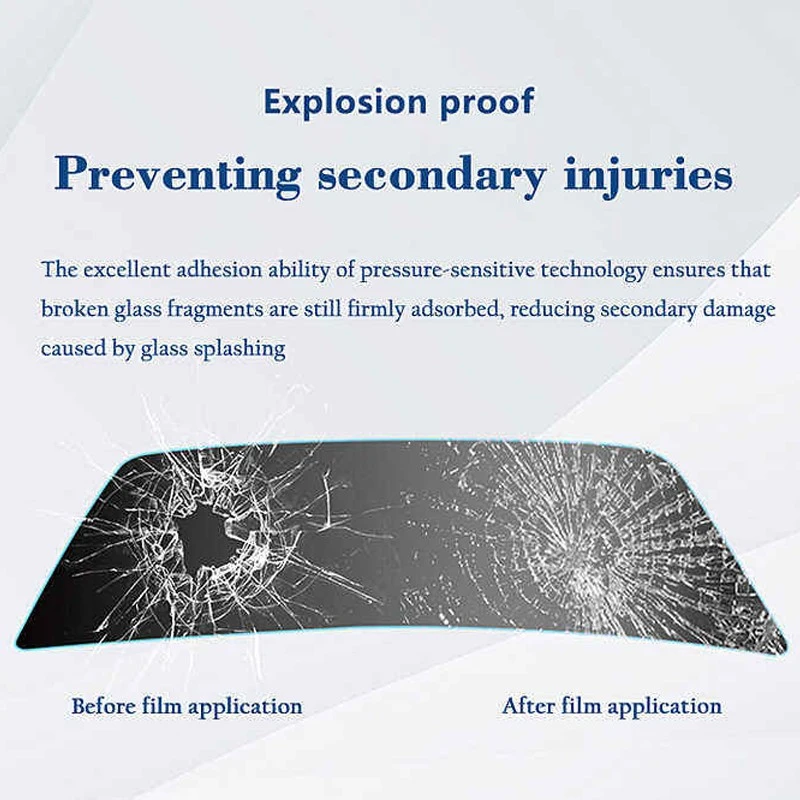
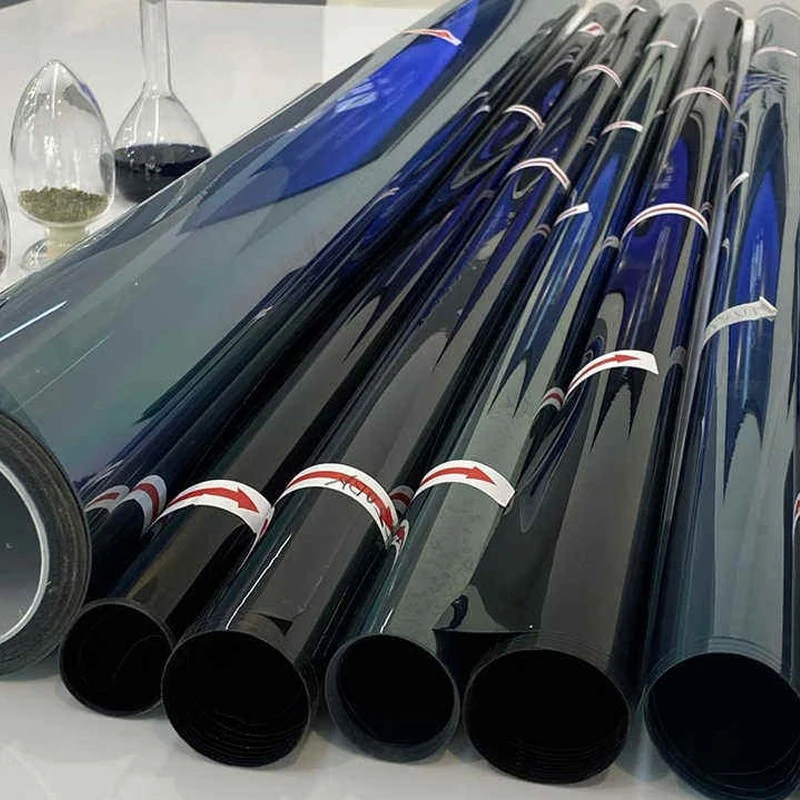
While it may be tempting to choose a cheaper film, keep in mind that a high - quality film will offer better protection and durability in the long run. Investing in a good paint protection film can save you money on potential paint repairs and replacements in the future.
When comparing prices, consider the features and benefits of each film. Look for a film that offers a good balance between cost and performance.
In conclusion, using whole car paint protection film around sunroofs requires careful consideration of several factors, including compatibility with sunroof material, heat resistance, UV protection, installation techniques, aesthetics, maintenance, compatibility with other films, and cost. As a whole car paint protection film supplier, I'm committed to providing high - quality products that meet all these requirements. If you're interested in purchasing paint protection film for your car, especially around the sunroof area, I encourage you to contact me for more information and to discuss your specific needs. I'm here to help you make the best choice for your vehicle and ensure a successful installation.
References
- Automotive Paint Protection Film: A Comprehensive Guide. [Publisher Name], [Year].
- Sunroof Materials and Their Compatibility with Automotive Films. [Research Institution], [Year].
- Heat Resistance and UV Protection of Automotive Films. [Journal Name], [Volume], [Issue], [Year].