


Hey there! As an architectural film supplier, I often get asked about the fire-retardant properties of architectural film. It's a crucial topic, especially when it comes to building safety. So, let's dive right in and explore what makes architectural film fire-resistant.
First off, what exactly is architectural film? Well, it's a thin, multi-layered material that can be applied to windows, glass facades, and other architectural elements. It serves a variety of purposes, from enhancing privacy and reducing glare to improving energy efficiency. But one of its most important functions is its ability to resist fire.
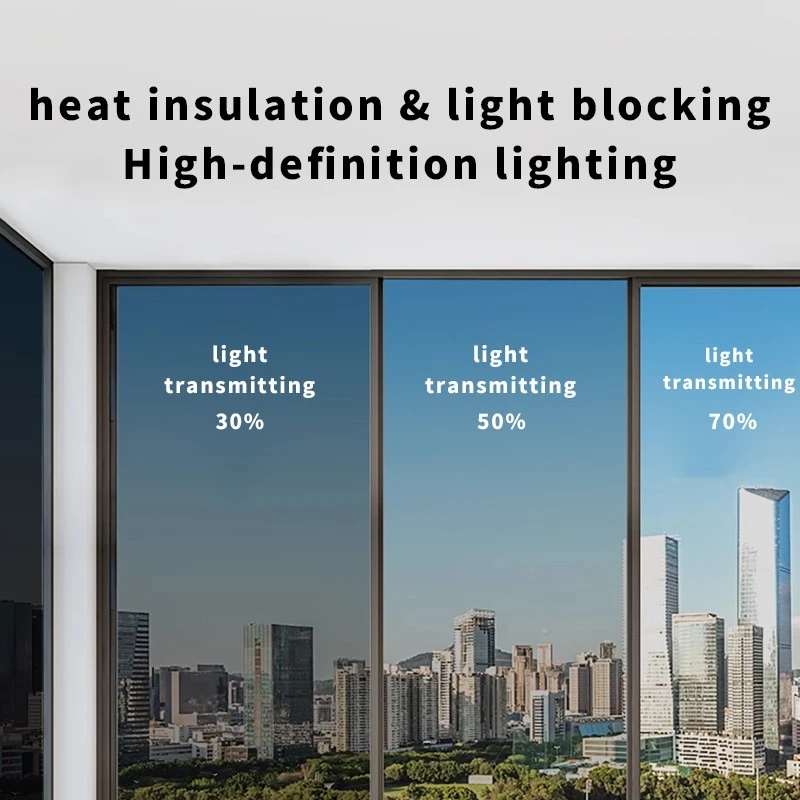
The fire-retardant properties of architectural film are mainly determined by its chemical composition and manufacturing process. Most high-quality architectural films are made with special polymers and additives that are designed to slow down or prevent the spread of fire. These materials are formulated to have a high ignition temperature, which means they're less likely to catch fire in the first place.
One of the key components in fire-retardant architectural film is a flame retardant additive. These additives work by releasing chemicals when exposed to heat or flames. These chemicals can either dilute the oxygen around the film, making it harder for the fire to burn, or they can form a protective char layer on the surface of the film. This char layer acts as a barrier, preventing the fire from reaching the underlying material and slowing down the spread of flames.
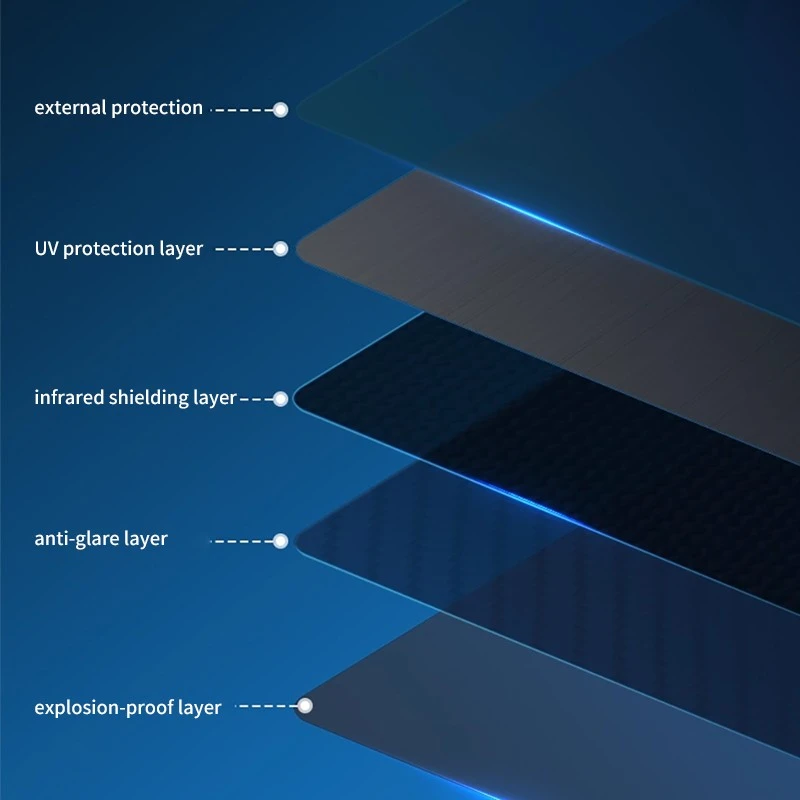
Another important factor is the film's thickness and structure. Thicker films generally offer better fire resistance because they have more material to absorb and dissipate heat. Additionally, some architectural films are designed with multiple layers, each with a specific function. For example, a film might have an outer layer that's highly resistant to flames and an inner layer that provides insulation. This multi-layered design can significantly enhance the film's overall fire-retardant performance.
Now, let's talk about the different types of fire ratings for architectural film. There are several standards and tests used to evaluate a film's fire resistance, such as the ASTM E84 test in the United States. This test measures the surface burning characteristics of a material, including its flame spread index and smoke development index. A lower flame spread index indicates better fire resistance.
Architectural films with a high fire rating are often used in commercial buildings, hospitals, schools, and other public spaces where fire safety is a top priority. They can also be a great addition to residential properties, providing an extra layer of protection for your home and family.
But it's not just about preventing the spread of fire. Architectural film can also help reduce the amount of smoke and toxic gases released during a fire. Smoke inhalation is one of the leading causes of death in fires, so any material that can minimize smoke production is a huge plus. Fire-retardant architectural film can help keep the air inside a building cleaner and safer during a fire emergency.
When it comes to choosing the right architectural film for your project, it's important to consider your specific needs and requirements. If fire safety is a major concern, look for films that have been tested and certified to meet relevant fire safety standards. You can also consult with a professional to get advice on the best film for your particular application.
At our company, we offer a wide range of Architecture Color Window Film and Exterior Architecture Window Film with excellent fire-retardant properties. Our films are not only fire-resistant but also offer other benefits like UV protection, energy savings, and aesthetic appeal.
If you're interested in learning more about our architectural films or have any questions about their fire-retardant properties, don't hesitate to reach out. We're here to help you make the best choice for your project and ensure the safety and comfort of your building occupants. Whether you're an architect, builder, or property owner, we can provide you with the information and support you need to make an informed decision.
In conclusion, the fire-retardant properties of architectural film are a vital aspect of building safety. By choosing the right film, you can significantly reduce the risk of fire and its potentially devastating consequences. So, if you're in the market for architectural film, make sure to prioritize fire resistance and choose a product that meets your specific needs.
References
- ASTM International. (n.d.). ASTM E84 - Standard Test Method for Surface Burning Characteristics of Building Materials. Retrieved from ASTM website.
- International Building Code. (n.d.). Fire - Resistance Requirements for Building Elements. Retrieved from ICC website.