

Hey there, fellow car enthusiasts! As an automotive window tint film supplier, I've been getting a ton of questions about the legal regulations for windshield tinting. It's a hot topic, and rightfully so. After all, you want to make sure you're not breaking any laws while still getting the benefits of a good window tint. So, let's dive right in and explore what you need to know.
Why Tint Your Windshield?
First off, let's talk about why you might want to tint your windshield in the first place. There are several great reasons. For one, it can block out a significant amount of UV rays. These rays can not only fade your car's interior but also pose a risk to your skin health. Tinting can also reduce glare, especially on sunny days or when driving at night with oncoming headlights. This makes for a safer and more comfortable driving experience. And if you're worried about privacy, a tinted windshield can give you that extra bit of seclusion.
Understanding the Basics of Windshield Tinting Laws
Now, here's the deal: windshield tinting laws vary widely from state to state (if you're in the US) or country to country. In general, these laws are in place to ensure driver visibility and safety on the roads. They usually specify how much light can pass through the windshield after tinting, which is measured by Visible Light Transmission (VLT).
VLT is expressed as a percentage. For example, a 50% VLT means that 50% of visible light can pass through the tinted windshield, while the other 50% is blocked. The lower the VLT percentage, the darker the tint.
State-by-State (US) Regulations
In the US, each state has its own set of rules regarding windshield tinting. Some states are pretty lenient, while others are much stricter.
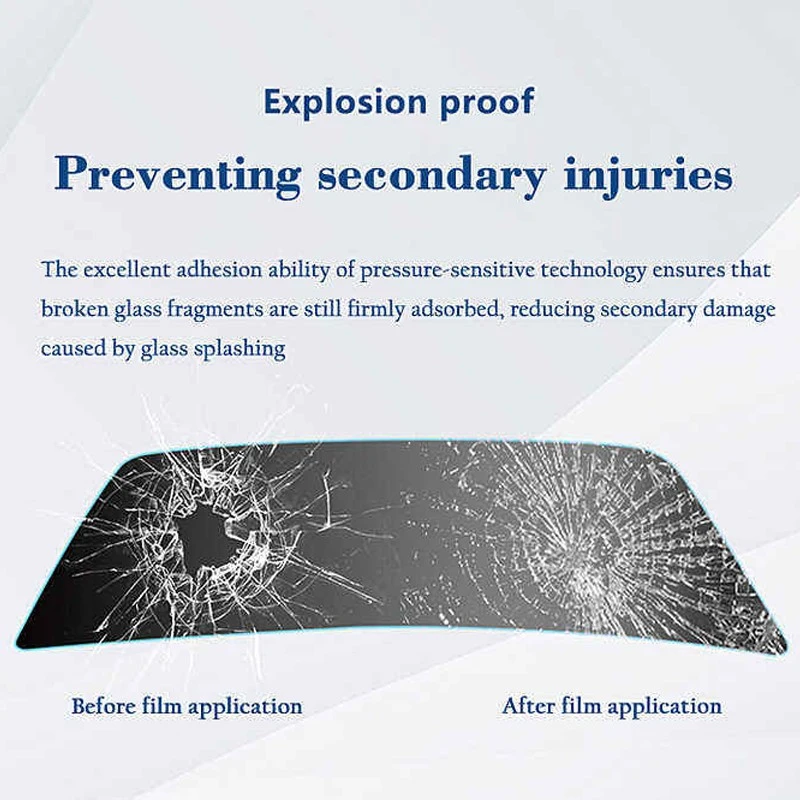
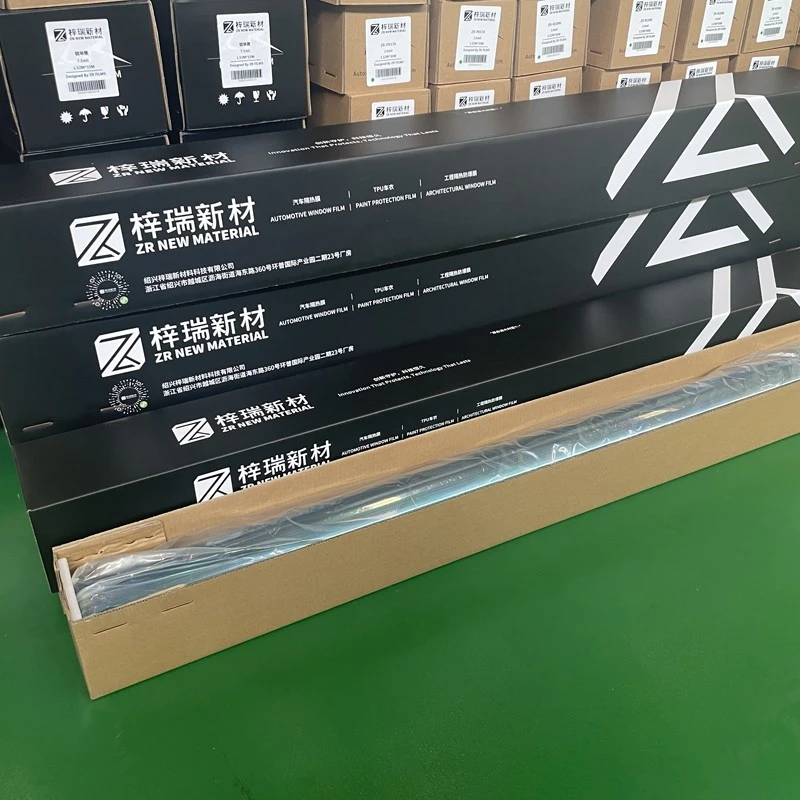
For instance, in California, you're generally allowed to have a non-reflective tint on the top 4 inches of your windshield. The rest of the windshield must have a VLT of at least 70%. That means 70% of visible light needs to be able to pass through.
On the other hand, Florida has a different set of rules. They allow a tint on the top 5 inches of the windshield, but the VLT requirements can vary depending on the type of vehicle.
It's crucial to check the specific laws in your state before getting your windshield tinted. You don't want to end up with a hefty fine or, even worse, a safety hazard on the road.
International Regulations
If you're outside the US, the regulations can be even more diverse. In Canada, for example, the rules vary by province. Some provinces have strict VLT requirements, while others focus more on the reflectivity of the tint.
In Europe, each country has its own laws as well. Some countries, like Germany, have very strict regulations to ensure maximum visibility for drivers. They often limit the amount of tinting allowed on the windshield to a very light shade.
Types of Tints and Their Impact on Regulations
When it comes to windshield tinting, there are different types of tints available, and they can all have an impact on how they comply with the regulations.
- Dyed Tints: These are the most basic and affordable type of tints. They work by absorbing sunlight to reduce heat and glare. However, they may not be as effective in blocking UV rays as other types of tints. Dyed tints can also fade over time, which might affect their compliance with VLT regulations.
- Metallic Tints: These tints contain tiny metal particles that reflect sunlight. They are great at blocking heat and UV rays, but they can also cause interference with electronic devices like GPS and cell phones. Some states and countries may have restrictions on metallic tints due to this interference.
- Ceramic Tint: Ceramic tints are a high-end option. They use ceramic particles to block heat and UV rays without causing electronic interference. They also tend to have a more consistent VLT over time, making them a popular choice for those who want to comply with regulations.
How to Ensure Compliance
So, how can you make sure your windshield tinting is legal? Here are some tips:
- Research the Laws: As I mentioned earlier, check the specific laws in your area. You can usually find this information on your state's department of motor vehicles website or by contacting local law enforcement.
- Choose a Reputable Installer: A professional installer will know the local regulations and can help you choose the right tint for your windshield. They can also ensure that the tint is installed correctly to meet the VLT requirements.
- Get a Certificate of Compliance: Some states require a certificate to prove that your tint meets the legal standards. Make sure to get this certificate if it's required in your area.
Our Automotive Window Tint Film Offerings
As an automotive window tint film supplier, we offer a wide range of high-quality tints, including Window Tint and Car Tint. Our tints are designed to meet the strictest quality standards and comply with various regulations.
We have Ceramic Tint options that provide excellent heat and UV protection without sacrificing visibility. Our team of experts can also help you choose the right tint for your specific needs and ensure that it complies with the local laws.
Conclusion
Windshield tinting can offer many benefits, but it's essential to understand and comply with the legal regulations. Whether you're in the US or another country, make sure to do your research and choose the right tint for your windshield.
If you're interested in purchasing our automotive window tint film or have any questions about the legal regulations, feel free to reach out. We're here to help you make the best decision for your vehicle. Let's work together to keep you safe on the road while enjoying the benefits of a great window tint!
References
- State and local department of motor vehicles websites
- International traffic safety organizations
- Automotive industry publications