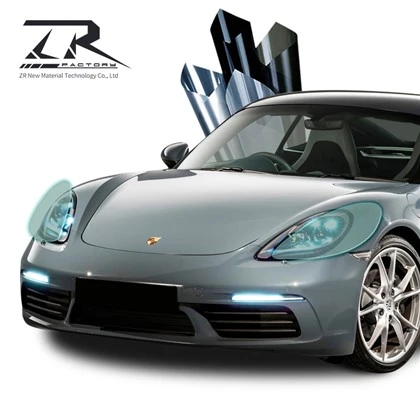


Yo, what's up car enthusiasts! As a supplier of PPF Car Protection Film, I often get asked about the cold resistance of our products. It's a crucial factor, especially for those living in colder climates. So, let's dive right into what the cold resistance of PPF Car Protection Film is all about.
Understanding Cold Resistance in PPF
First off, cold resistance in PPF refers to how well the film can withstand low temperatures without losing its protective properties. When the temperature drops, materials can become brittle, and that's not good news for your car's protection. Our PPF is designed to handle cold conditions like a champ.
You see, in cold weather, the film needs to remain flexible. If it becomes too rigid, it might crack or peel off, leaving your car's paint exposed. Our research and development team has worked hard to formulate a film that maintains its elasticity even in freezing temperatures.
How Cold Affects PPF
Cold temperatures can have several effects on PPF. One of the most significant is the change in the film's physical properties. When it gets cold, the molecules in the film slow down, which can lead to a decrease in flexibility. This is where our high - quality PPF comes in.
Our Self Healing Paint Protection Film is engineered to resist these changes. The self - healing feature is not only great for minor scratches but also helps the film adapt to temperature variations. Even in cold weather, the film can still heal itself, keeping your car looking brand new.
Another issue with cold is the adhesion of the film to the car's surface. If the film doesn't stick well, it can start to lift or bubble. Our PPF has a special adhesive that is designed to work in a wide range of temperatures, including cold ones. This ensures that the film stays firmly attached to your car, providing continuous protection.
Testing Cold Resistance
We don't just claim that our PPF has excellent cold resistance; we back it up with rigorous testing. Our labs simulate extreme cold conditions to see how the film performs. We test for things like flexibility, adhesion, and self - healing ability in cold temperatures.
During these tests, we expose the film to temperatures as low as - 20°C (- 4°F). We check to see if the film cracks, peels, or loses its self - healing properties. So far, our Pioneer Series Clear TPU PPF has passed these tests with flying colors. It remains flexible and continues to protect your car's paint even in the coldest of conditions.
Benefits of Cold - Resistant PPF
There are several benefits to having a cold - resistant PPF on your car. First of all, it provides year - round protection. Whether it's the hot summer months or the freezing winter, your car's paint is safe. This is especially important if you live in an area with harsh winters.
Secondly, a cold - resistant PPF can save you money in the long run. By protecting your car's paint from the cold, you avoid costly paint jobs. The film acts as a barrier between your car's paint and the elements, preventing damage from ice, snow, and salt.
Comparing with Other Products
When you're looking for a PPF, it's important to compare different products. Some PPFs may claim to have good cold resistance, but not all of them deliver. Our High Gloss Paint Protection Film not only looks great but also has excellent cold - resistant properties.
Compared to some cheaper alternatives, our PPF is more durable in cold weather. Cheaper films may become brittle and crack easily, while our high - quality PPF remains flexible and intact.
Installation in Cold Weather
If you're thinking about getting a PPF installed in cold weather, there are a few things to keep in mind. First, make sure the installer has experience working in cold conditions. The installation process can be a bit more challenging in the cold, but with the right techniques, it can be done successfully.
The installer should also warm up the film and the car's surface before installation. This helps the film adhere better and reduces the risk of bubbles or wrinkles. Our team can provide guidance on the best installation practices in cold weather.
Maintenance in Cold Weather
Maintaining your PPF in cold weather is also important. You should avoid using abrasive cleaners or tools that could damage the film. Instead, use a gentle car wash soap and a soft microfiber cloth.
It's also a good idea to check the film regularly for any signs of damage. If you notice any cracks or peeling, contact us right away. We can provide advice on how to fix the issue or replace the film if necessary.
Conclusion
So, there you have it! The cold resistance of PPF Car Protection Film is a crucial factor in protecting your car's paint, especially in colder climates. Our PPF products, like the Self Healing Paint Protection Film, High Gloss Paint Protection Film, and Pioneer Series Clear TPU PPF, are designed to withstand the cold and keep your car looking great all year round.
If you're interested in purchasing our PPF products or have any questions about cold resistance or installation, don't hesitate to reach out. We're here to help you protect your car and make sure you get the best product for your needs.
References
- Industry research on PPF cold resistance
- In - house testing reports on PPF performance in cold temperatures