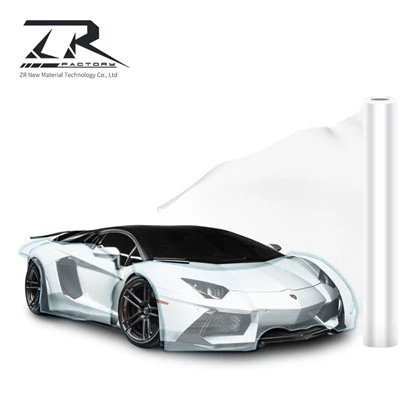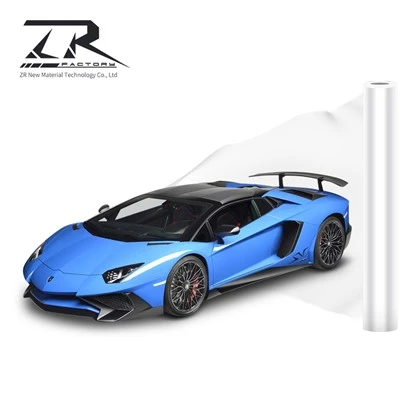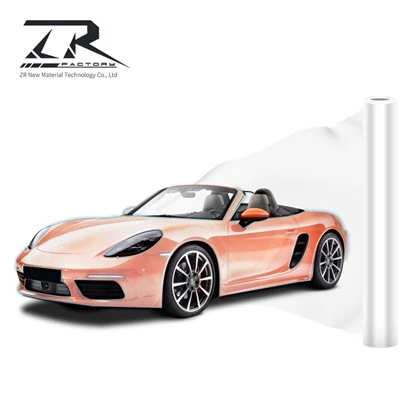


Tear strength is a critical property when it comes to TPU COLOR PPF (Thermoplastic Polyurethane Color Paint Protection Film). As a TPU COLOR PPF supplier, I've witnessed firsthand the importance of understanding this characteristic for both our customers and the overall performance of the product.
Understanding Tear Strength
Tear strength refers to the ability of a material to resist tearing when a force is applied. In the context of TPU COLOR PPF, it measures how well the film can withstand the stresses and strains that it may encounter in real - world applications. When a car is on the road, it is exposed to various hazards such as flying debris, gravel, and branches. These can cause tears in the PPF if its tear strength is not sufficient.
The tear strength of TPU COLOR PPF is influenced by several factors. One of the primary factors is the molecular structure of the TPU material. High - quality TPU has a well - organized molecular chain, which provides better resistance to tearing. The manufacturing process also plays a crucial role. Precise control of temperature, pressure, and additives during production can enhance the tear strength of the film.
Measuring Tear Strength
There are specific testing methods to measure the tear strength of TPU COLOR PPF. One common method is the Elmendorf tear test. In this test, a specimen of the PPF is cut into a specific shape, and a pendulum is used to tear the specimen. The energy required to tear the specimen is measured, and this value is used to determine the tear strength of the material.
Another method is the trouser tear test. In this test, a specimen is cut in the shape of a trouser, and the two legs of the "trouser" are pulled apart at a constant speed. The force required to propagate the tear is measured, and this gives an indication of the tear strength.
Importance of Tear Strength in TPU COLOR PPF
The tear strength of TPU COLOR PPF is of utmost importance for several reasons. Firstly, it directly affects the durability of the film. A PPF with high tear strength can better withstand the daily wear and tear on the road, ensuring that it provides long - term protection for the car's paint.
Secondly, it enhances the overall safety of the vehicle. If the PPF tears easily, it may not be able to protect the paint from scratches and chips, which can lead to corrosion and damage to the car's body. A strong PPF can prevent these issues, keeping the car in good condition.
Thirdly, a high - tear - strength PPF can save costs in the long run. Since it lasts longer and is less likely to tear, there is no need for frequent replacements. This reduces the overall cost of maintaining the car's paint protection.
Our TPU COLOR PPF and Tear Strength
As a TPU COLOR PPF supplier, we take great pride in the tear strength of our products. We use high - grade TPU materials and advanced manufacturing processes to ensure that our PPF has excellent tear resistance. Our research and development team is constantly working to improve the tear strength of our films, using the latest technologies and materials.
Our TPU COLOR PPF has been tested under various conditions to ensure its tear strength meets or exceeds industry standards. We understand that our customers rely on our products to protect their valuable cars, and we are committed to providing the best - quality PPF with high tear strength.
Comparing with Other PPFs
When compared to other types of paint protection films, our TPU COLOR PPF stands out in terms of tear strength. Some traditional PPFs may have lower tear strength, which makes them more prone to damage. Our TPU COLOR PPF, on the other hand, offers superior tear resistance, providing better protection for the car's paint.
For example, some PVC - based PPFs may have a lower tear strength compared to our TPU COLOR PPF. PVC is a less flexible material, and it is more likely to tear under stress. Our TPU COLOR PPF, with its high flexibility and strong molecular structure, can better resist tearing.
Applications of TPU COLOR PPF with High Tear Strength
Our TPU COLOR PPF with high tear strength has a wide range of applications. It is ideal for use on high - performance cars, where the risk of damage from flying debris is higher. It can also be used on luxury cars, where the owners want to maintain the pristine appearance of their vehicles.
In addition, our PPF can be used on commercial vehicles. Trucks and buses are often exposed to harsh road conditions, and our high - tear - strength PPF can provide excellent protection for their paint.
Advantages of Our TPU COLOR PPF
Apart from high tear strength, our TPU COLOR PPF has several other advantages. It has self - healing properties, which means that minor scratches and swirl marks can disappear over time. This feature helps to keep the car looking new.
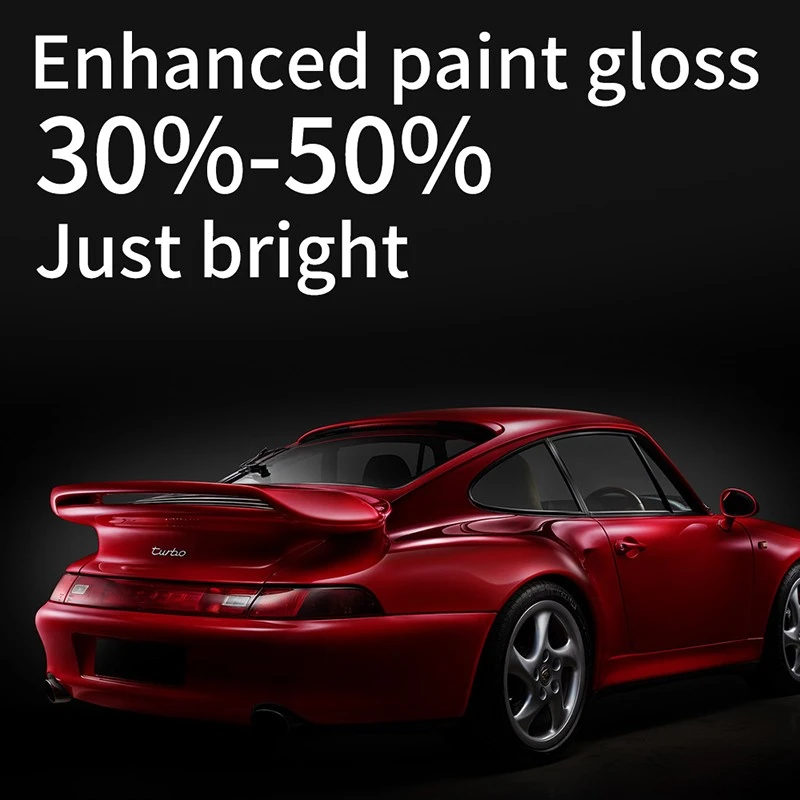
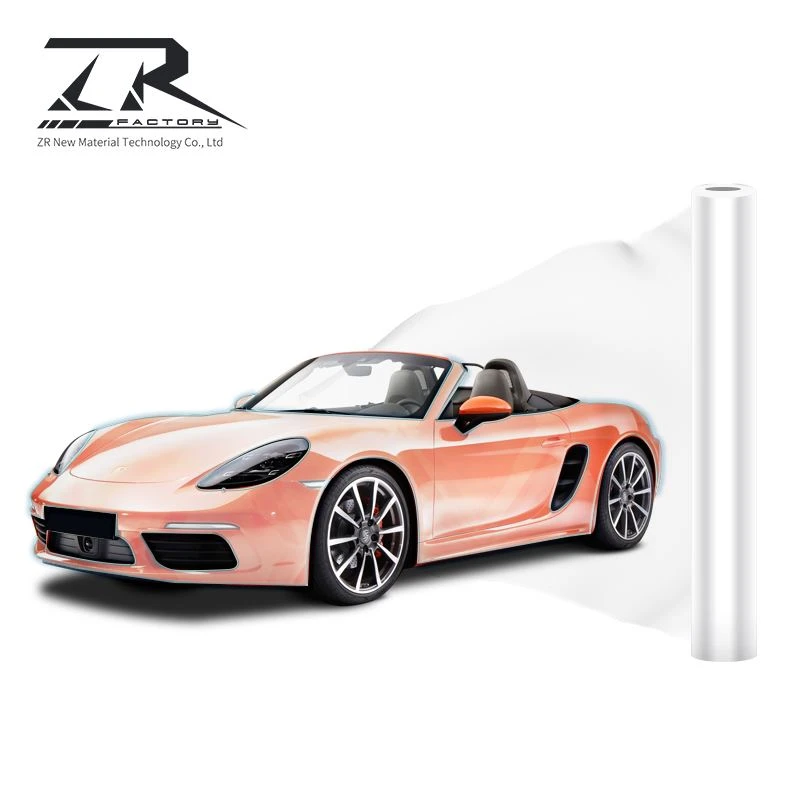
Our PPF also has excellent clarity, which allows the original color of the car to shine through. It is also resistant to yellowing, ensuring that the car's paint remains protected and looking great for years.
Contact Us for TPU COLOR PPF
If you are interested in our TPU COLOR PPF, we invite you to contact us for a consultation. Our team of experts is ready to answer any questions you may have and provide you with detailed information about our products.
We offer a wide range of TPU COLOR PPF products, including Whole Car Paint Protection Film, Premium Clear PPF For Cars, and Car Protection Film Self Healing. Whether you are a car owner, a car dealership, or a professional installer, we have the right PPF solution for you.
References
- ASTM D1938 - Standard Test Method for Tear Resistance of Plastic Film and Sheeting by Pendulum Method.
- ISO 6383 - 2:2004 Plastics -- Films and sheeting -- Determination of tear resistance -- Part 2: Trouser test.