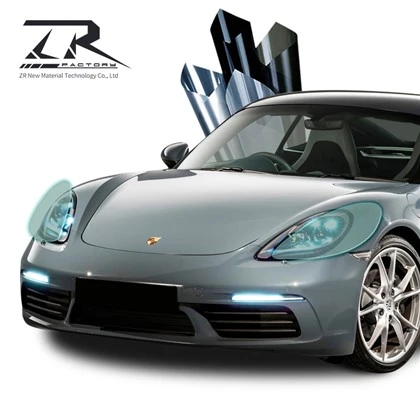


This is a common concern among car owners considering whole car paint protection film (PPF). As a supplier of Car PPF Film, I get this question a lot. Let's dig into the details to see if removing PPF can damage the car's paint.
How Car Paint Protection Film Works
First, let's understand what PPF is and how it functions. PPF Car Protection Film is a thermoplastic urethane (TPU) material. It's designed to be applied directly to the car's paint surface. This film acts as a shield, protecting the paint from various hazards like stone chips, scratches, bug splatters, and UV rays.
The way it adheres to the paint is crucial. High - quality PPF uses an advanced adhesive system. This adhesive is strong enough to keep the film in place for an extended period but is also engineered to be removable without causing damage under normal circumstances.
Factors Affecting Paint Damage During PPF Removal
There are a few factors that can influence whether the paint will get damaged when removing the whole car PPF.
Quality of the PPF
The quality of the TOP Series Clear TPU PPF you choose matters a great deal. Cheaper, low - grade films often use inferior adhesives. These adhesives may not be formulated to break down cleanly when removed. For example, they might have a tendency to become sticky or gummy over time, and when you try to peel the film off, it can pull at the car's paint.
On the other hand, high - end PPFs use top - notch adhesives. These adhesives are designed to maintain their integrity over long periods and detach cleanly from the paint. They're also more resistant to environmental factors that can cause adhesive degradation.
Installation Method
The way the PPF is installed is another key factor. If the installation is done incorrectly, it can lead to problems during removal. For instance, if the installer doesn't properly clean the car's surface before applying the film, dirt and debris can get trapped between the film and the paint. This can cause the adhesive to bond unevenly, making it more likely to damage the paint when removed.
Also, if the film is stretched too tightly during installation or if there are air bubbles trapped under it, these areas can create stress points. When you try to remove the film, these stress points can cause the paint to lift.
Age of the PPF
The longer the PPF has been on the car, the more potential there is for issues during removal. Over time, the adhesive can break down due to exposure to UV rays, extreme temperatures, and chemicals. UV rays, in particular, can cause the adhesive to harden and become more difficult to remove. If the film has been on the car for several years, there might be a slightly higher risk of paint damage, although this is still relatively rare with high - quality products.
Signs of Potential Paint Damage
There are a few signs that can indicate potential paint damage during PPF removal. If you notice that the PPF is tearing or leaving behind a large amount of adhesive residue, it could be a red flag. Also, if the paint looks dull or has a hazy appearance after the film is removed, it might have been damaged.
In some cases, you might see small chips or scratches on the paint that weren't there before. This could be due to the film pulling at the paint during removal, especially if there were issues with the adhesive or installation.
How to Minimize the Risk of Paint Damage
If you're worried about paint damage when removing your whole car PPF, here are some tips to minimize the risk:
Choose High - Quality PPF
As I mentioned earlier, investing in a high - quality TOP Series Clear TPU PPF is crucial. Do your research, read reviews, and go with a reputable brand. High - quality films not only provide better protection but also reduce the risk of paint damage during removal.
Professional Installation
Always have your PPF installed by a professional. A trained installer will know how to properly clean the surface, apply the film without stretching it too much, and ensure there are no air bubbles. They'll also use the right tools and techniques to make sure the installation is done correctly.
Regular Maintenance
Taking good care of your PPF can also help reduce the risk of paint damage during removal. Wash your car regularly using a gentle car wash soap. Avoid using harsh chemicals or abrasive materials on the film. This will help keep the adhesive in good condition over time.
Timely Removal
Don't leave the PPF on your car for an extended period beyond its recommended lifespan. Each PPF product has a suggested time frame for how long it should be left on the car. Removing it before the adhesive starts to break down significantly can reduce the risk of paint damage.
Real - World Examples
I've seen both good and bad cases in the real world. In many of the cars where high - quality PPF was installed by professionals and maintained properly, the removal process was smooth. The paint looked as good as new, with no signs of damage.
However, I've also come across situations where car owners used cheap PPFs or had them installed by inexperienced installers. In these cases, there were often issues with adhesive residue and, in some extreme cases, minor paint damage.
Conclusion
In general, whole car paint protection film should not damage the car's paint when removed if you choose a high - quality product, have it installed by a professional, and take proper care of it. While there is a small risk of paint damage, especially with low - quality films or improper installation, following the tips I've mentioned can significantly reduce this risk.
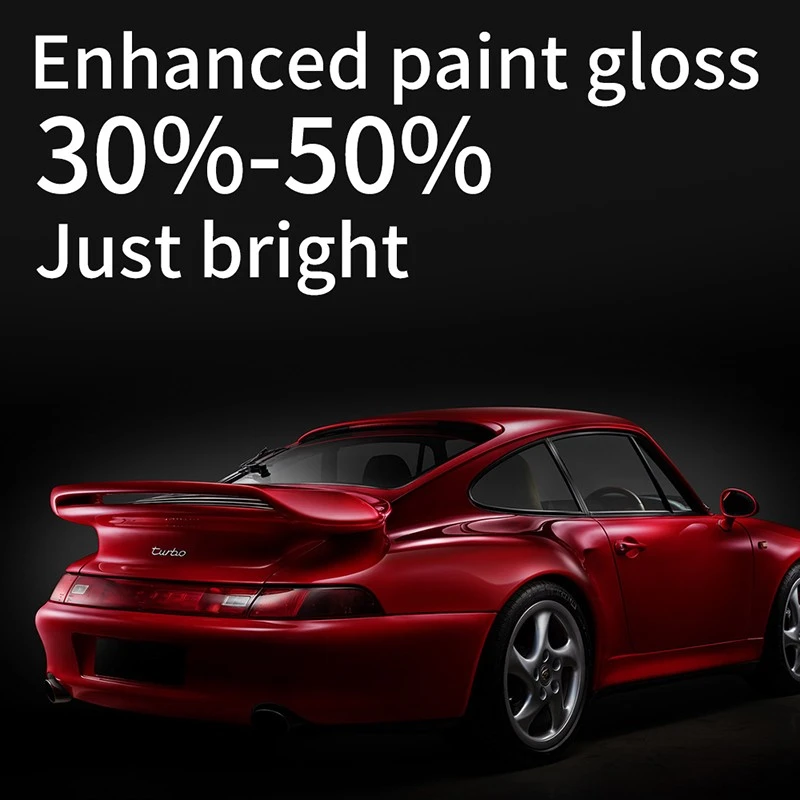
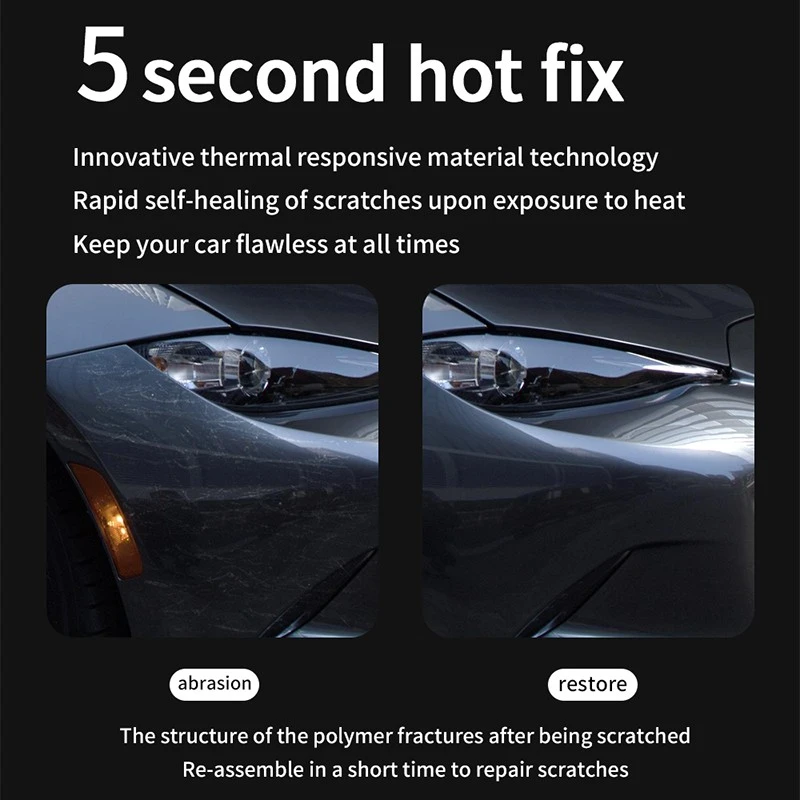
If you're interested in protecting your car with a high - quality Car PPF Film, feel free to reach out and start a conversation about your needs. We're here to help you make the best choice for your car.
References
- Automobile Paint Protection and Restoration Manual
- Journal of Automotive Materials and Technology