


As an architectural film supplier, I often get asked about the potential health risks associated with the products we offer. It's a valid concern, especially considering that we're talking about something that's installed in buildings where people live, work, and spend a significant amount of time. So, let's dive into this topic and see if there are any real health risks linked to architectural film.
First off, let's understand what architectural film is. Architectural films are thin, multi - layer polyester films that are applied to glass surfaces in buildings. They come in various types and serve different purposes. For example, the Reflective Series Building Window Film - Solar Heat Rejection Glare Reduction Privacy Film is designed to reject solar heat, reduce glare, and provide privacy. The Mirror Shield Series Building Window Film - Mirror Effect Privacy Protection Solar Control Film offers a mirror effect along with privacy protection and solar control. And the Sliver - Reflective Series Building Window Film - Premium Solar Control Reflective Window Tint is a high - end option for solar control.
One of the most common questions regarding health risks is about the chemicals used in these films. Modern architectural films are made with advanced manufacturing processes and materials that are quite safe. They're typically made from polyester, which is a widely used and well - studied material. Polyester is considered non - toxic and is used in many consumer products, such as clothing, food packaging, and even medical devices. The adhesives used to attach the film to the glass are also formulated to be safe. Most of them are water - based, which means they have low levels of volatile organic compounds (VOCs). VOCs are chemicals that can evaporate into the air at room temperature and may cause health problems, like eye, nose, and throat irritation, headaches, and in some cases, more serious long - term health issues. But because our architectural films use low - VOC adhesives, the risk of these problems is greatly reduced.
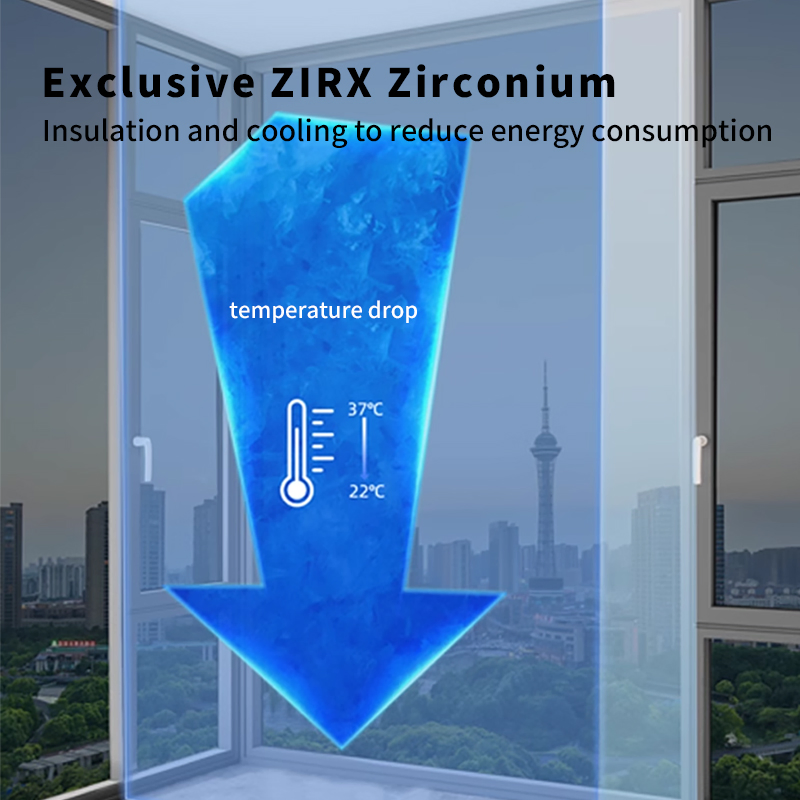
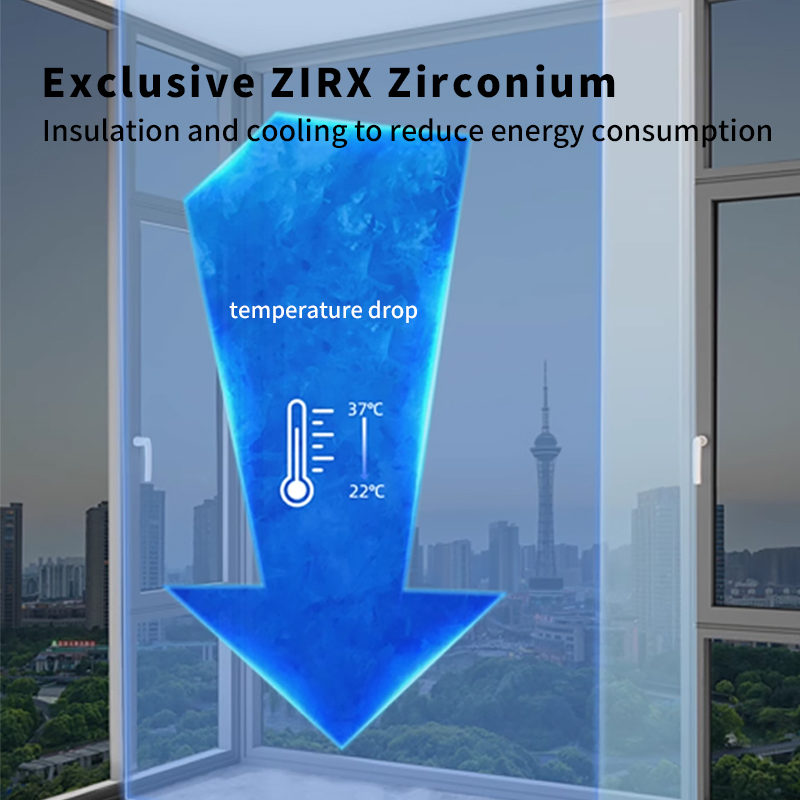
Another concern is the effect of the films on indoor air quality. Since the films are installed on the windows, there's no direct contact with the air inside the building. And as mentioned earlier, the materials used don't emit harmful substances. In fact, architectural films can actually improve indoor air quality in some ways. By reducing solar heat gain, they can lower the load on air - conditioning systems. When air - conditioning systems work more efficiently, they don't have to recycle as much warm, potentially stale air. This can lead to a better circulation of fresh air and a reduction in the buildup of pollutants inside the building.
What about the potential for blocking natural light? While it's true that some architectural films, especially the more reflective ones, can reduce the amount of sunlight coming through the windows, this isn't necessarily a bad thing. Excessive sunlight can cause glare, which can be a problem for people working on computers or doing other visual tasks. It can also lead to eye strain and headaches. The right architectural film can help balance the amount of light, providing a more comfortable environment. And even with the film installed, there's still plenty of natural light available. The films are designed to let in enough light to keep the space well - lit without the negative effects of too much sunlight.
In terms of UV radiation, architectural films are actually a great benefit to health. The sun emits ultraviolet (UV) rays that can cause skin damage, including premature aging, wrinkles, and an increased risk of skin cancer. Most architectural films can block a significant percentage of UV rays. This means that people inside the building are protected from the harmful effects of UV radiation, whether they're sitting by the window for a short time or spending long hours in the building.
Now, let's talk about fire safety. Architectural films are tested to meet certain fire - safety standards. They're not highly flammable and are designed to resist the spread of fire. In the event of a fire, the film can help hold the glass together, preventing it from shattering and creating additional hazards. This can give people more time to evacuate the building safely.
So, after looking at all these aspects, it seems that there aren't really any significant health risks associated with architectural film. In fact, the benefits far outweigh any potential concerns. The films can improve comfort, protect against UV rays, enhance energy efficiency, and even contribute to fire safety.
If you're considering using architectural film for your building, whether it's a commercial office, a residential home, or an industrial facility, I'd highly recommend it. It's a smart investment that can make your space more comfortable and healthy. And if you have any further questions about our products, their suitability for your specific needs, or want to discuss a potential purchase, feel free to reach out. We're here to help you make the best decision for your building and its occupants.
References
- Literature on the manufacturing and safety of polyester materials in consumer products.
- Studies on the effects of low - VOC adhesives on indoor air quality.
- Research on the impact of solar heat gain and glare on human health.
- Standards and testing reports on the fire - safety of architectural films.