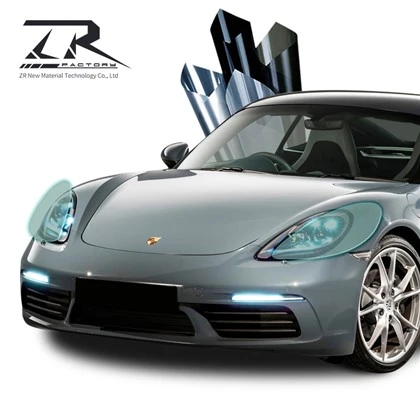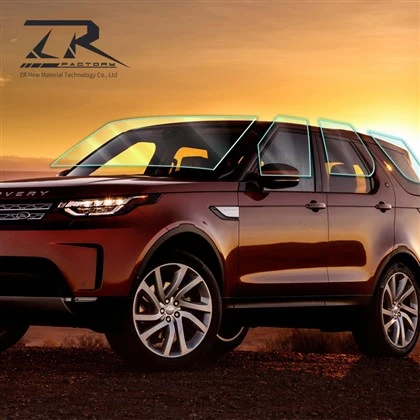


Hey there, car enthusiasts! As a supplier of car paint protection film, I've seen firsthand the ongoing debate between car paint protection film and enamel paints when it comes to protecting your precious ride. So, let's dive right in and break down how these two options stack up against each other.
What's Car Paint Protection Film?
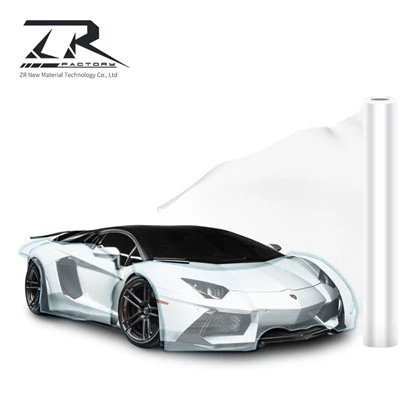
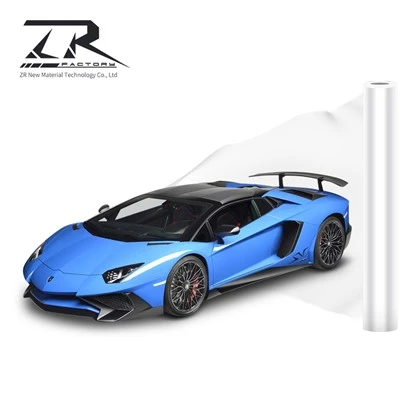
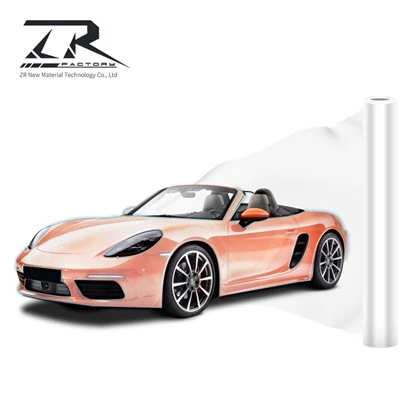
Car paint protection film, or PPF for short, is a thin, transparent layer that you stick onto your car's paint. It's like a shield that guards your car from all kinds of damage. Whether it's those pesky little rocks that kick up on the highway, scratches from shopping carts in the parking lot, or even UV rays from the sun, PPF has got your back.
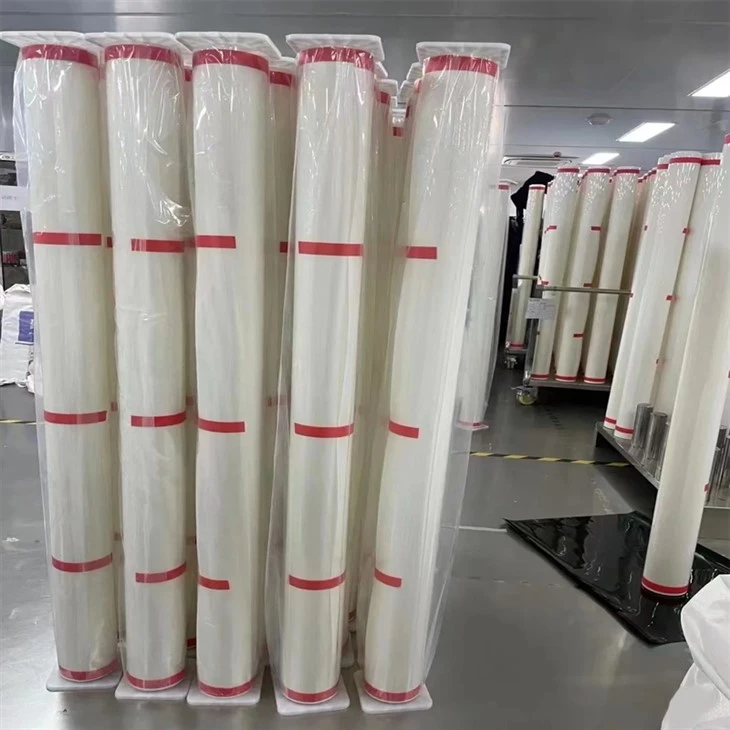
One of the coolest things about PPF is its self - healing properties. If you get a minor scratch, it can often repair itself over time, especially when exposed to heat. And there are different types of PPF out there. For example, you can check out our Premium Clear PPF For Cars, which is designed to be super clear and durable, so it doesn't mess with the look of your car.
What About Enamel Paints?
Enamel paints have been around for ages. They're a type of paint that dries to a hard, glossy finish. When you use enamel paint on your car, it adds an extra layer of protection. It can resist chipping, fading, and some minor abrasions. Enamel paints come in a wide variety of colors, so you can change the look of your car while protecting it at the same time.
Protection Against Physical Damage
When it comes to protecting against physical damage, like scratches from gravel or branches, PPF is a clear winner. The film is flexible and can absorb the impact of small objects. It acts like a buffer between your car's paint and the outside world. Even if a rock hits your car at high speed, the PPF will take the hit instead of your paint.
Enamel paints, on the other hand, while they can resist some scratches, are more likely to chip or crack when there's a significant impact. Once the paint chips off, it exposes the bare metal of your car, which can lead to rust and more serious problems down the road.
UV Protection
Both PPF and enamel paints offer some level of UV protection. PPF is designed to block a high percentage of UV rays. This helps prevent your car's paint from fading over time. Your car will keep that shiny, new - look color for much longer.
Enamel paints also have some UV - resistant properties. But over time, the sun can break down the paint's molecules, causing it to fade and lose its luster. If you live in a sunny area, PPF might be a better choice to keep your car looking great.
Aesthetics
Let's talk about how each option affects the look of your car. PPF is almost invisible when applied correctly. It doesn't change the color or the appearance of your car. You get all the protection without sacrificing the original look of your ride. Our Clear Film Auto Paint Protection is a great example of a PPF that maintains the sleek look of your car.
Enamel paints, as I mentioned earlier, can change the color of your car. If you want a new look, that's a plus. But if you love the original color of your car and just want protection, repainting with enamel might not be the best idea.
Installation and Maintenance
Installing PPF requires some skill. You need to make sure it's applied smoothly without any bubbles or wrinkles. It's like a big puzzle that has to fit perfectly over your car. However, once it's installed correctly, it's relatively low - maintenance. You just need to wash your car regularly like you normally would.
Enamel paints require a more elaborate installation process. First, the car has to be prepped, which means sanding and priming. Then, multiple coats of paint need to be applied, and each coat has to dry properly. Maintenance of enamel - painted cars also involves more effort. You need to wax the car regularly to keep the paint looking shiny and protected.
Cost
Cost is always a factor when making a decision. PPF can be a bit more expensive upfront. But when you think about the long - term savings, it can be worth it. You're protecting your car's resale value, and you won't have to worry as much about repainting or fixing scratches.
Enamel paints can vary in price depending on the quality and the amount of work needed. A professional paint job can also be quite costly, especially if you want a high - quality finish.
Other Considerations
Another thing to think about is that there are other types of films we offer that can complement your paint protection. For example, our Anti - Glare & Heat - Insulating window film can reduce glare and heat inside your car, which can also have an impact on the overall comfort and longevity of your car's interior.
In conclusion, both car paint protection film and enamel paints have their pros and cons. If you want a virtually invisible, high - impact protection option with minimal maintenance, PPF is the way to go. If you're looking for a new color and don't mind a more involved installation and maintenance process, enamel paints might be right for you.
If you're interested in learning more about our car paint protection films or want to discuss which option is best for your car, don't hesitate to reach out. We're here to help you make the best decision to keep your car looking its best for years to come.
References
- Automotive Paint and Coating Technology Handbook
- Car Detailing and Protection Guides