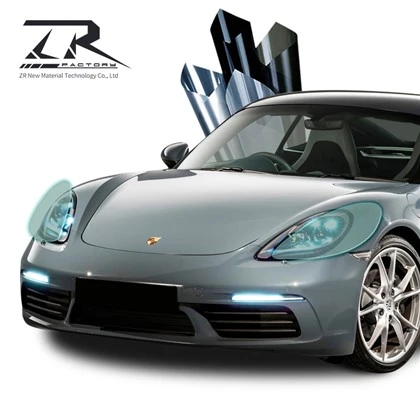


Yo, what's up everyone! I'm an automotive window tint film supplier, and today I wanna chat about a hot topic: Can automotive window tint film prevent glass shattering?
Let's start with the basics. Automotive window tint film is a thin, multi - layered sheet that you stick on the inside of your car windows. It comes in different types, like Window Tint, Ceramic Tint, and Car Tint. Each type has its own features, but they all share some common benefits.
Now, when it comes to preventing glass shattering, the answer is yes, to some extent. You see, most high - quality window tint films are made with strong, adhesive layers. When your car window gets hit by something, say a flying rock on the highway or a sudden impact during an accident, the tint film acts like a sort of net.
The adhesive in the film holds the broken glass pieces together. Instead of shattering into a million sharp fragments and flying everywhere inside the car, the glass stays mostly in place, attached to the tint film. This is super important for safety. Those sharp glass shards can cause serious injuries to you and your passengers. In a collision, you don't want to be at risk of getting cut by flying glass.
Let's talk about the science behind it. The tint film is designed to absorb and distribute the energy from an impact. When an object hits the window, the energy spreads out across the film rather than concentrating in one spot on the glass. This reduces the likelihood of the glass breaking in the first place. And if it does break, the film's ability to hold the pieces together is due to its strong molecular structure.
Some of the higher - end films, like ceramic tints, are even better at this. Ceramic tints are known for their durability and strength. They have advanced materials in their composition that make them more resistant to impacts. The ceramic particles in these tints add an extra layer of protection, making it harder for the glass to shatter completely.
But it's not just about impacts from the outside. There are also cases where the glass can break due to internal factors. For example, extreme temperature changes can cause the glass to expand or contract. This stress can sometimes lead to cracks or shattering. A good window tint film can help mitigate this as well. It acts as an insulator, reducing the rate at which the temperature inside the car changes. This means less stress on the glass, and a lower chance of it breaking.
Now, I know some of you might be thinking, "Well, how reliable is this really?" It's a valid question. The effectiveness of the tint film in preventing glass shattering depends on a few factors. First, the quality of the film matters a lot. Cheaper, low - quality films might not have the same level of adhesive strength or impact - resistance as the more expensive ones. So, it's always a good idea to invest in a high - quality product.
The installation also plays a crucial role. If the film isn't installed properly, there might be gaps or bubbles. These can weaken the film's ability to hold the glass together in case of a break. That's why it's important to have the tint film installed by a professional who knows what they're doing.
Another factor is the type of glass. Different cars have different types of windows, like tempered glass or laminated glass. Tempered glass is designed to break into small, relatively harmless pieces when it shatters. Laminated glass, on the other hand, already has a layer in between the glass sheets that helps hold it together. A window tint film can enhance the safety of both types of glass, but the results might vary.
For tempered glass, the tint film provides an extra layer of protection, ensuring that the small pieces stay in place. With laminated glass, the film can still add to the overall strength and reduce the risk of the glass separating completely.
Let's look at some real - world examples. There have been many reports of car owners who were in accidents and credited their window tint film for preventing serious injuries from glass shards. In some cases, the film held the broken glass together so well that the passengers were able to get out of the car safely without getting cut.
But it's important to note that while window tint film can help prevent glass shattering, it's not a guarantee. In extremely severe impacts, like a high - speed collision with a large object, the glass might still break completely. However, even in those cases, the film will likely reduce the severity of the glass shattering and the resulting injuries.
So, if you're thinking about getting window tint for your car, safety should definitely be one of your considerations. Not only does it make your car look cool, but it also adds an important layer of protection. Whether you're worried about flying rocks on the road or the potential for a collision, a good window tint film can give you some peace of mind.
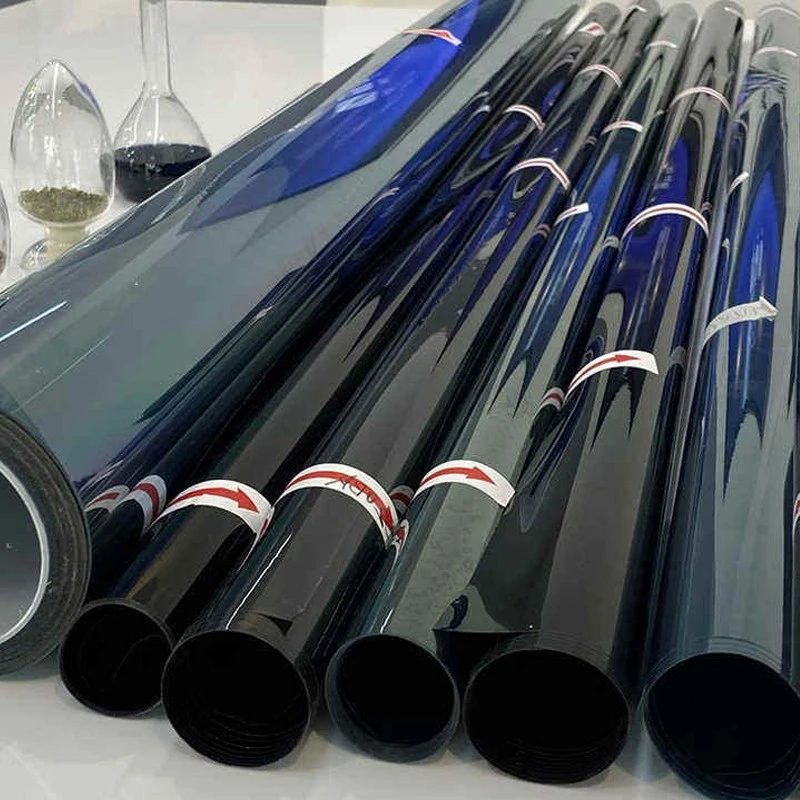
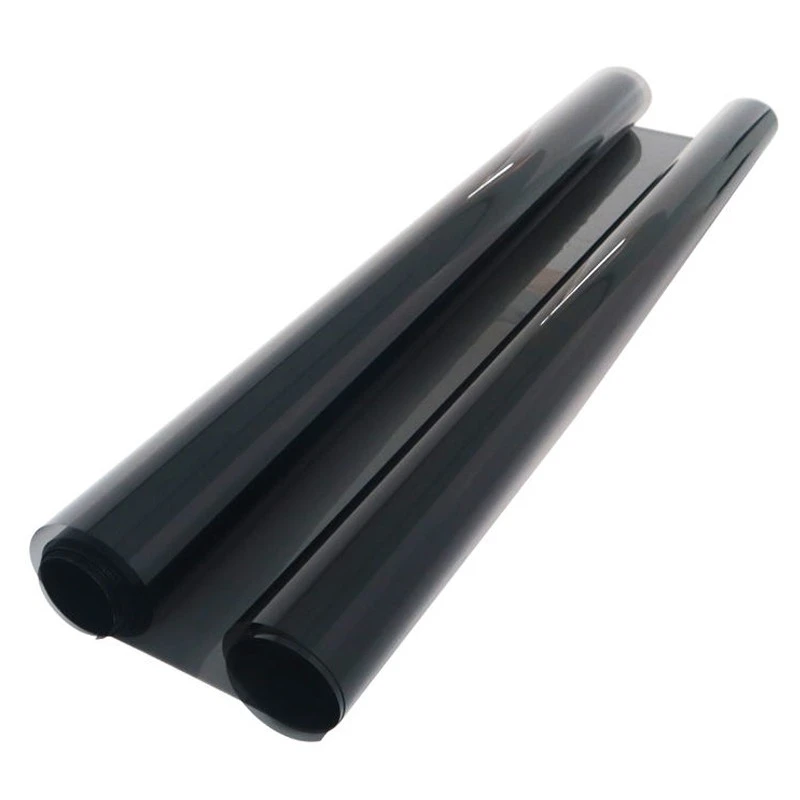
When it comes to choosing the right tint film, there are a few things to keep in mind. As I mentioned earlier, quality is key. Look for films that have good reviews and are known for their safety features. You can also ask for recommendations from other car owners or from professionals in the automotive industry.
The darkness of the tint is another factor. Different states have different laws regarding how dark your window tint can be. Make sure you choose a tint that complies with the local regulations. And don't forget about the heat - rejection properties. A good tint film should not only protect against glass shattering but also keep your car cooler in the summer.
If you're interested in getting automotive window tint film for your car, I'd love to have a chat with you. We can discuss your specific needs, whether it's for safety, style, or heat - rejection. I can help you choose the right type of tint film for your vehicle and make sure it's installed properly. So, don't hesitate to get in touch if you're looking to upgrade your car's windows and add an extra layer of safety.
References
- Automotive Glass Safety Council research on window tint and glass shattering
- Manufacturer's data on the impact - resistance of different window tint films