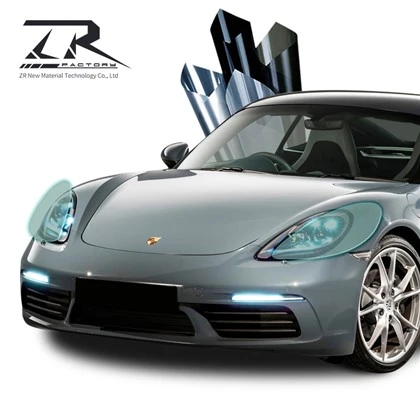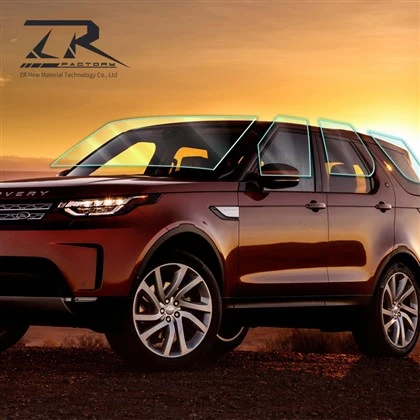


As a professional PPF (Paint Protection Film) car protection film supplier, I often encounter customers' inquiries about the performance of our products. One of the most frequently asked questions is whether PPF car protection film is resistant to wind abrasion. In this blog, I will delve into this topic using scientific explanations and real - world examples, drawing on our rich experience in the industry.
Understanding Wind Abrasion
Wind abrasion mainly occurs when super - fine particles carried by wind, such as dust, sand grains, and little debris, continuously rub against the surface of an object. For cars, especially those traveling at high speed on highways or in desert areas with strong winds, wind abrasion can gradually damage the car's paint over time. The high - velocity movement of the car enhances the impact and friction of these particles on the car body, leading to the formation of fine scratches on the paint surface, which may eventually harm the overall appearance and even cause the paint to peel off.
The Composition and Structure of PPF Car Protection Film
Our PPF car protection films, like Pioneer Series: P5 Clear TPU PPF, are typically made of thermoplastic polyurethane (TPU). TPU is an elastic polymer material with excellent mechanical properties. It has high tensile strength and tear resistance, which are crucial for withstanding various external forces, including those caused by wind abrasion.
The molecular structure of TPU is composed of soft and hard segments. The soft segments endow the film with flexibility and elasticity, allowing it to adapt to the irregular shape of the car body and absorb the energy of impacts. Meanwhile, the hard segments provide the film with high strength and stiffness, which is essential for preventing scratches.
Another important aspect of the PPF structure is the top - coat layer. Our top - coat technology is a key factor in enhancing the film's resistance to wind abrasion. The top - coat is a highly cross - linked polymer layer that forms a smooth and hard surface. This surface not only reduces the friction coefficient between the film and the wind - borne particles but also has self - healing properties. When minor scratches occur due to wind abrasion, the top - coat can gradually recover its original smooth surface under normal temperature conditions.
Scientific Evidence of Wind Abrasion Resistance
To prove the wind abrasion resistance of our PPF car protection films, we have conducted a series of laboratory tests and real - world trials. In the laboratory, we use a wind tunnel test device. This device can simulate different wind speeds and particle concentrations. We attach our PPF samples and bare car paint samples to the test platform and expose them to the simulated wind environment for a certain period.
After the test, we use a microscope to observe the surface of the samples. The results show that the bare car paint samples have obvious fine scratches and abrasion marks, while the PPF samples have only very minor scratches that are almost negligible. The surface roughness of the painted samples increases significantly, whereas the surface roughness of the PPF - protected samples shows little change.
In real - world trials, we have collaborated with some long - distance trucking companies and racing teams. These vehicles are often exposed to harsh wind conditions. For example, long - distance trucks travel across different terrains and climates, including deserts and windy plains. Racing cars, on the other hand, operate at extremely high speeds, where the impact of wind abrasion is more significant.
After months of use, the feedback from these partners has been highly positive. The parts of the vehicles covered with our PPF remained in good condition, with the paint under the film showing no signs of wind abrasion. In contrast, the areas without PPF protection had visible damage to the paint.
Comparing with Other Types of Car Films
When it comes to car protection films, there are other options on the market, such as Car Privacy Window Film and Anti - scratch Car Film. However, their functions are different from those of PPF.
Car privacy window films are mainly designed to provide privacy for the vehicle's interior and to block a certain amount of ultraviolet rays. They are not meant to protect the car's paint from wind abrasion. Their structure and materials are optimized for transparency and heat insulation rather than scratch resistance against wind - borne particles.
Anti - scratch car films also offer some level of protection against scratches, but they may not be as effective as PPF in the face of wind abrasion. PPF is specifically engineered to withstand high - energy impacts and long - term friction, and its advanced top - coat technology and TPU material give it an edge in this regard.
Maintaining the Wind - Abrasion Resistance of PPF
To ensure the long - term wind - abrasion resistance of our PPF car protection film, proper maintenance is essential. Regular cleaning of the car is necessary. We recommend using a mild car shampoo and a soft microfiber cloth to clean the PPF surface. Harsh detergents or abrasive cleaning tools can damage the top - coat of the PPF, reducing its resistance to wind abrasion.
In addition, if the PPF is exposed to extreme environmental conditions for a long time, such as a lot of industrial pollution or strong sunlight, it may be necessary to apply a protective wax or sealant specifically designed for PPF. This can help further enhance the film's surface hardness and water - repellency, reducing the impact of wind abrasion.
Conclusion
In summary, our PPF car protection films, especially the Pioneer Series: P5 Clear TPU PPF, are highly resistant to wind abrasion. Through their unique TPU composition, advanced top - coat technology, and extensive testing and real - world applications, they can effectively protect the car's paint from the damage caused by wind - borne particles.
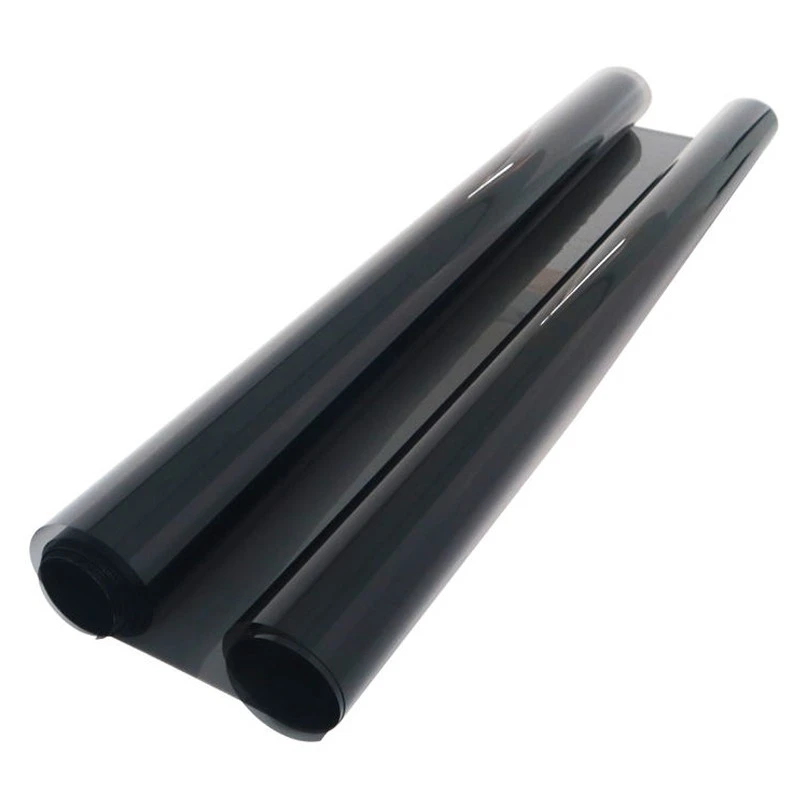
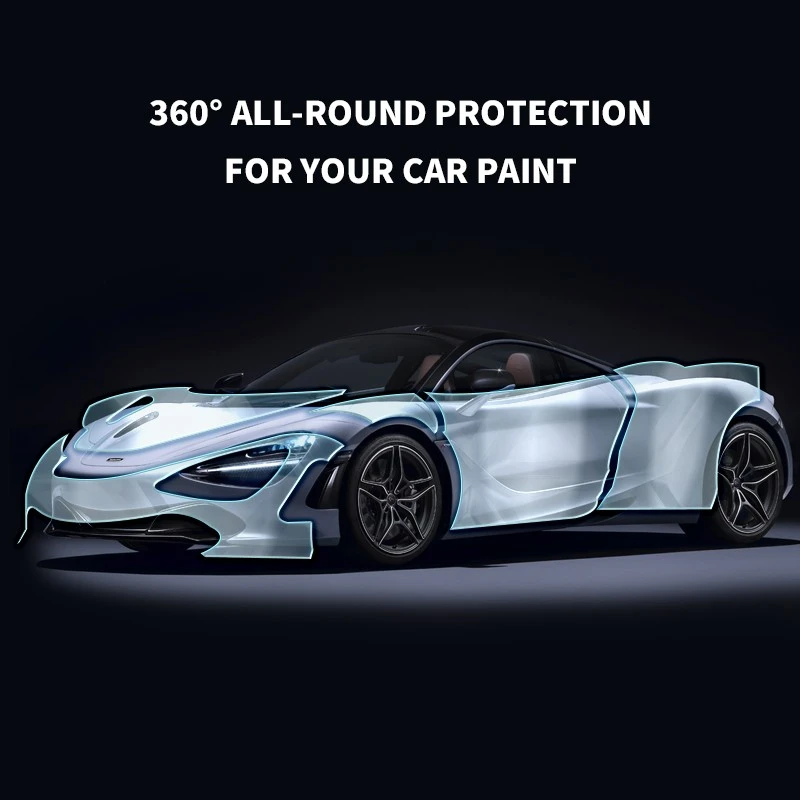
If you are a car owner concerned about protecting your car's paint from wind abrasion, or if you are in the automotive aftermarket industry looking for high - quality PPF products, we are your reliable partner. Our company is dedicated to providing the best PPF car protection solutions. Contact us for more information and let's start a procurement discussion to find the most suitable product for your needs.
References
- Research on the mechanical properties of thermoplastic polyurethane materials
- Laboratory test reports on wind abrasion resistance of PPF car protection films
- Real - world trial feedback from long - distance trucking companies and racing teams