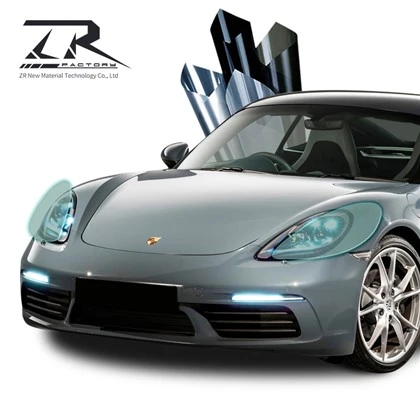


As a supplier in the automotive window tint film industry, I often get asked a crucial question: Does automotive window tint film reduce glare? This is a topic that not only concerns everyday drivers but also has significant implications for the overall driving experience and safety. In this blog post, we'll delve into the science behind window tinting and how it combats glare, and offer some insights on our products that can effectively address this common issue.
Understanding Glare and Its Impact on Driving
Glare occurs when the eyes are exposed to an excessive amount of light, typically from a single, bright source. In the context of driving, this can come from the sun, particularly during dawn and dusk when the sun's angle is low, oncoming vehicle headlights at night, or even reflections from wet roads and shiny surfaces. The effects of glare on drivers are far - reaching. It can cause temporary loss of vision, which is extremely dangerous on the road, as it impairs the ability to see traffic signs, pedestrians, and other vehicles clearly. In addition, long - term exposure to glare can lead to eye fatigue, headaches, and increased stress during driving.
How Automotive Window Tint Film Reduces Glare
Automotive window tint film works on several principles to reduce glare. Firstly, it acts as a filter for light. The tint on the film is designed to absorb and reflect a portion of the incoming light. Different levels of tint provide different degrees of light reduction. For example, a darker tint will block more light compared to a lighter one.
When light hits the window tint film, the tint's pigment or metallic particles scatter and absorb some of the light energy. This process reduces the intensity of the light that enters the vehicle's cabin, thereby minimizing glare. For instance, in the case of sunlight, the film can block a significant amount of the direct sunlight that would otherwise cause blinding glare on the windshield and side windows.
Secondly, the polarization feature of some high - quality window tint films plays a crucial role in reducing glare. Polarized light waves vibrate in a single plane, and glare is often composed of a large amount of polarized light. Polarized window tint films are engineered to block these polarized light waves. By doing so, they can eliminate the horizontal glare that is commonly caused by reflections on flat surfaces, such as the hood of a car, the road surface, or the windshield of an oncoming vehicle.
Our Window Tint Film Solutions
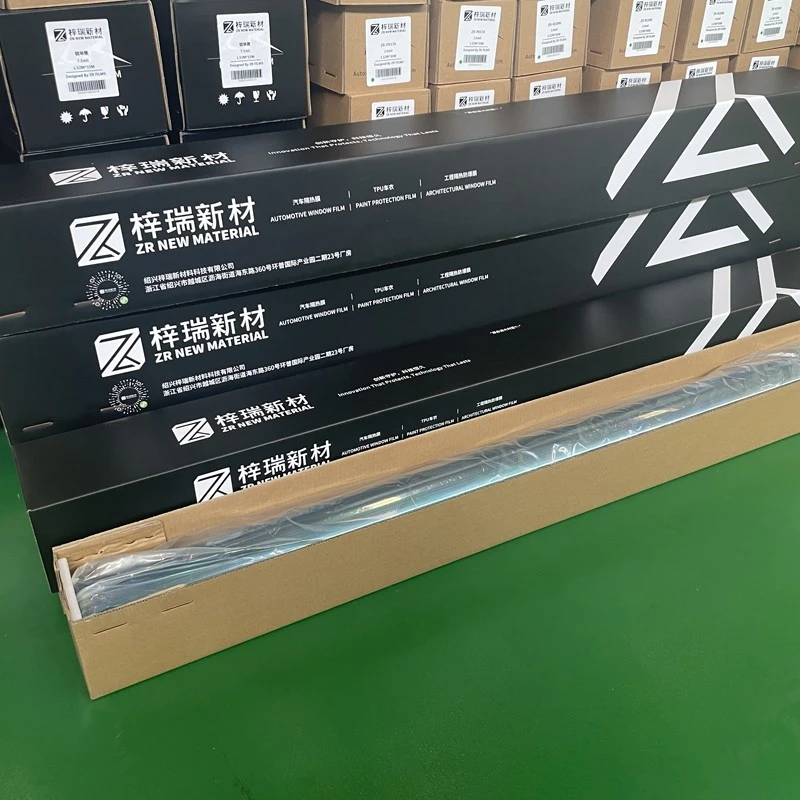
At our company, we offer a wide range of Window Tint products that are specifically designed to reduce glare. Our films are made using advanced technologies and high - quality materials, ensuring both excellent glare reduction and long - term durability.
One of our standout products is the High Heat Rejection Car Window Tint. This tint not only rejects a significant amount of heat from the sun but also substantially reduces glare. The high - quality materials used in its construction can effectively absorb and reflect light, providing a clear and comfortable driving environment. The heat rejection feature also helps to keep the vehicle's interior cool, which is an added bonus for drivers.
In addition, we offer Car Window Tint OEM/ODM - Wholesale for Distributors. This service allows distributors to get custom - made window tint films tailored to their specific needs. Whether it's a particular level of tint for glare reduction or a specific feature required, we can work with distributors to create the perfect product. Our products are suitable for a variety of vehicles, from compact cars to large SUVs and commercial vehicles.
Testing and Scientific Evidence
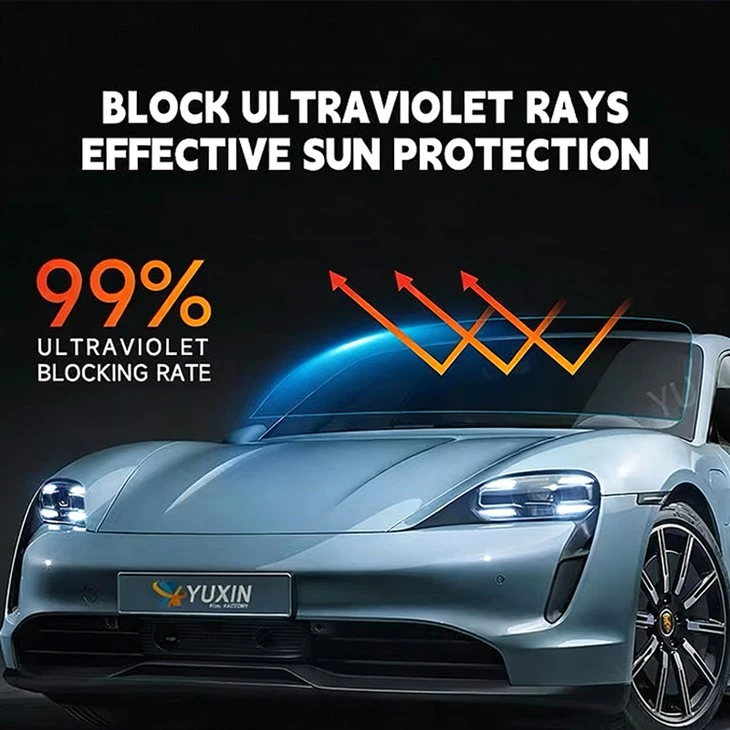
Numerous scientific studies and industry tests have confirmed the effectiveness of automotive window tint film in reducing glare. For example, independent laboratory tests have shown that our window tint films can reduce the intensity of incoming light by up to 70% in some cases. This reduction in light significantly reduces glare, making it easier for drivers to see clearly.
On - road tests have also been conducted by automotive experts. These tests involve comparing the driving experience with and without window tint film under different lighting conditions. The results consistently show that drivers with window tint film installed experience less glare, better visibility, and reduced eye strain.
Legal Considerations
It's important to note that while window tint film is effective in reducing glare, there are legal regulations regarding the use of window tint in different regions. These regulations typically specify the maximum allowable level of tint darkness for different windows of a vehicle. As a responsible supplier, we ensure that our products comply with the legal requirements in most major markets. However, it's always advisable for customers to check the local laws before installing window tint film.
Conclusion and Call to Action
In conclusion, automotive window tint film is a highly effective solution for reducing glare while driving. It not only enhances safety by improving visibility but also provides a more comfortable driving environment. Our company, as a leading supplier of automotive window tint film, offers a wide range of products that can meet the diverse needs of customers.
If you're a distributor looking for high - quality window tint film products, or an individual driver interested in improving your driving experience, we invite you to contact us for more information. We're ready to engage in procurement discussions and help you find the best window tint solution for your specific requirements. Whether it's for glare reduction, heat rejection, or privacy, we have the expertise and products to meet your expectations.
References
- "The Effects of Glare on Driving Performance" - Journal of Automotive Safety Research
- "Advanced Materials for Automotive Window Tint Film: A Review" - International Journal of Materials Science and Engineering
- Local automotive window tint regulations in various regions