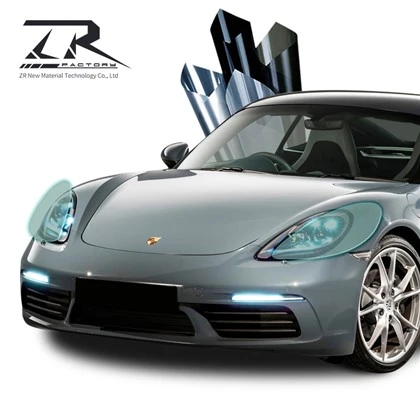


How often should car paint protection film be replaced? That's a question I get asked a lot as a car paint protection film (PPF) supplier. You know, investing in a PPF is not just about slapping on a piece of film. It's about safeguarding your car's paint job, keeping it looking fresh for as long as possible. So, let's dig into this topic and figure out when you should think about replacing that PPF.
Factors Affecting the Lifespan of Car PPF
Quality of the Film
First off, the quality of the PPF you choose plays a huge role. There are tons of products out there, but not all are created equal. High - quality films, like the Self - Healing Clear PPF Film, are designed to last. They're made with advanced materials that can withstand harsh conditions and resist yellowing and peeling. A top - notch film can last anywhere from 5 to 10 years. On the other hand, cheaper, low - quality films might start to show signs of wear and tear in just a couple of years. They could develop cracks, bubbles, or lose their clarity, making your car look worse than if you didn't have any protection at all.
Driving Conditions
Your driving habits and the conditions you drive in also matter. If you're constantly driving on rough roads with lots of gravel and debris, your PPF is going to take a beating. Those little rocks and stones can chip and scratch the film over time. Similarly, if you live in an area with extreme weather conditions, like scorching heat or freezing cold, it can affect the film's integrity. For example, in hot summers, the film might expand, and in cold winters, it could contract. This constant expansion and contraction can lead to premature aging and damage. If you're a city driver who mostly cruises on smooth roads, your PPF will likely last longer compared to someone who frequently takes long road trips on rural highways.
Maintenance
How you take care of your car and the PPF makes a big difference. Regular cleaning is essential. But you can't just use any old soap and sponge. You need to use products that are specifically designed for PPF. Harsh chemicals can damage the film and reduce its lifespan. Also, avoid using abrasive materials when cleaning. Scrubbing too hard can cause scratches on the film, weakening its protective properties. If you neglect proper maintenance, the film will start to deteriorate faster, and you'll probably have to replace it sooner.
Signs That Your PPF Needs Replacement
Visible Damage
The most obvious sign is when you start to see visible damage on the film. This could include cracks, chips, or large scratches. If the damage is severe, it's no longer providing proper protection for your car's paint. For instance, if a crack has gone all the way through the film, it can allow moisture and dirt to seep in, which can lead to rust and other paint problems.
Yellowing or Discoloration
Over time, some PPFs might start to turn yellow or change color. This not only looks bad but also indicates that the film is deteriorating. Yellowing can be caused by exposure to sunlight, UV rays, and certain chemicals. Once the film starts to discolor, it's a sign that its protective properties are also diminishing.
Bubbling or Peeling
Bubbles or peeling edges are another clear indication that the PPF is losing its adhesion. When the film starts to lift off your car's surface, it can't protect the paint as effectively. Bubbles can form due to improper installation or damage to the adhesive layer. Peeling can occur if the film has been exposed to extreme conditions or if it's just reached the end of its lifespan.
General Guidelines for Replacement
Based on the factors I've mentioned, here are some general guidelines for when to replace your PPF:
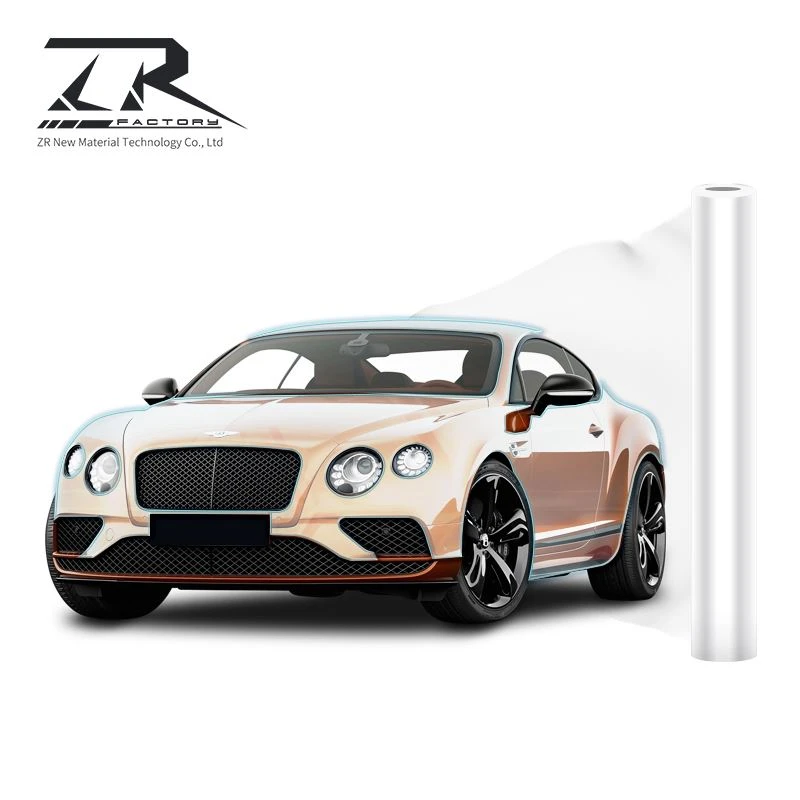
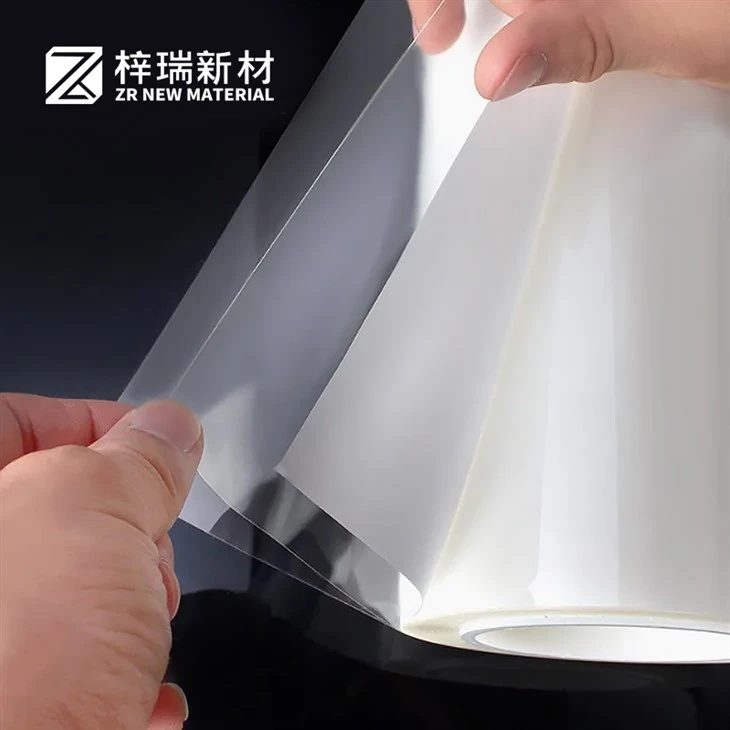
- 5 - 7 years for average use: If you have a high - quality PPF, drive in normal conditions, and maintain it well, you can expect it to last about 5 to 7 years. During this time, you'll likely start to notice some minor signs of wear, but as long as they're not severe, the film can still offer some protection.
- 3 - 5 years for harsh conditions: If you drive in tough conditions, like on gravel roads or in areas with extreme weather, you might need to replace the PPF every 3 to 5 years. The constant exposure to damage and harsh elements will take a toll on the film, reducing its lifespan.
- Less than 3 years for poor quality or maintenance: If you went for a low - quality film or didn't take good care of it, you could be looking at replacing the PPF in less than 3 years. In this case, you might start to see significant damage and discoloration much earlier.
Other Types of Car Films and Their Lifespan
It's not just about the PPF. We also offer Car Privacy Window Film. The lifespan of window films can vary. Generally, good - quality window films can last around 5 to 7 years. They can start to fade or peel if they're exposed to a lot of sunlight or if you use improper cleaning methods. But with proper care, they can add privacy and style to your car for a long time.
Making the Right Decision
When it comes to deciding whether to replace your PPF, it's a balance between cost and protection. Replacing the film can be expensive, but it's also an investment in your car's appearance and value. If you're planning to sell your car in the near future, having fresh, high - quality PPF can increase its resale value.
If you're unsure whether your PPF needs replacement, you can always reach out to a professional installer. They can assess the condition of the film and give you an expert opinion. And of course, as a PPF supplier, we're here to help you choose the right product for your car and answer any questions you might have.
Reach Out for More Information
If you're interested in our PPF Car Protection Film or have any questions about replacement times, don't hesitate to get in touch. We have a team of experts who can provide you with personalized advice based on your specific situation. Whether you're a daily commuter or a weekend road - tripper, we can help you keep your car looking its best. So, let's start a conversation about how we can meet your car film needs.
References
- Industry reports on car paint protection film durability
- Studies on the effects of driving conditions on automotive films