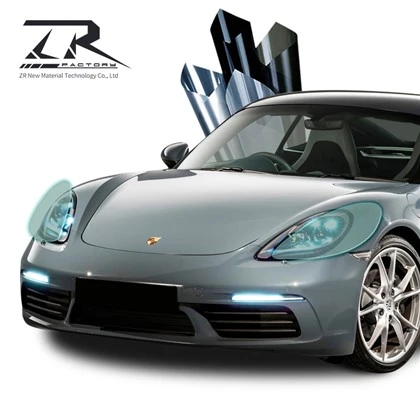


Automotive window tint film has become a popular addition to vehicles for various reasons, including privacy, aesthetics, and protection from harmful UV rays. One of the most significant benefits that many car owners seek is its potential to affect the interior temperature of a car. As a leading automotive window tint film supplier, I've witnessed firsthand how this product can make a substantial difference in a vehicle's comfort and energy efficiency. In this blog, we'll explore the science behind how automotive window tint film impacts a car's interior temperature.
The Basics of Heat Transfer in Cars
Before delving into the role of window tint film, it's essential to understand how heat enters a car. There are three primary ways heat is transferred into a vehicle: conduction, convection, and radiation.
Conduction occurs when heat is transferred through direct contact. For example, when the sun heats up the car's metal body, the heat is conducted through the frame and into the interior. Convection involves the movement of heat through fluids or gases. In a car, this can happen when hot air outside the vehicle enters through open windows or vents. However, the most significant contributor to a car's interior heating is radiation, specifically solar radiation.
Solar radiation consists of visible light, infrared (IR) radiation, and ultraviolet (UV) radiation. Visible light is what we can see, and it can carry a significant amount of energy. IR radiation is invisible to the human eye but is responsible for a large portion of the heat we feel from the sun. UV radiation, while not a major source of heat, can cause damage to the car's interior materials, such as fading and cracking of upholstery and dashboard plastics.
How Window Tint Film Works to Reduce Heat
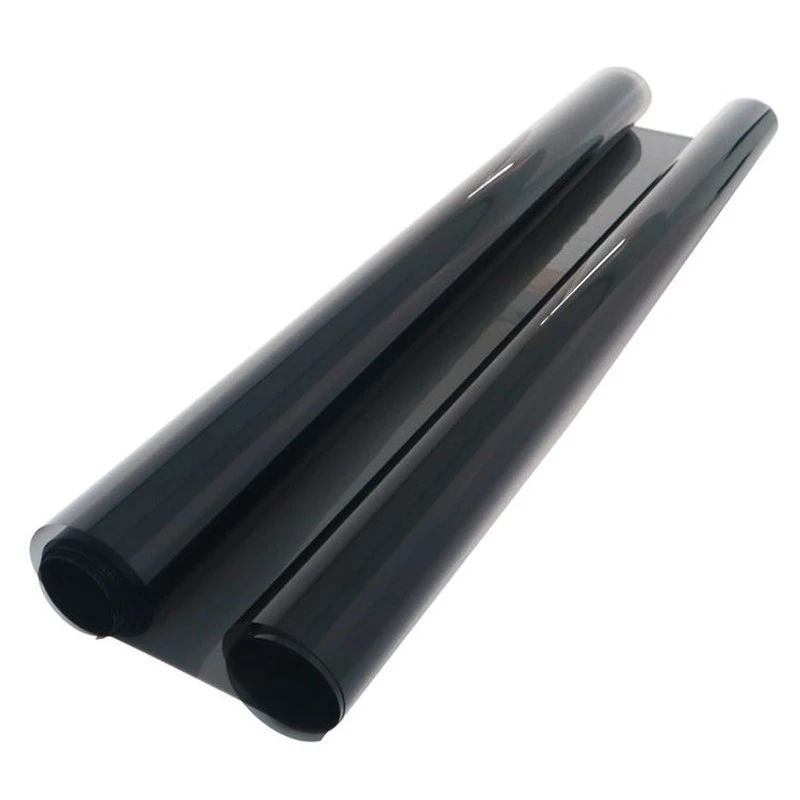
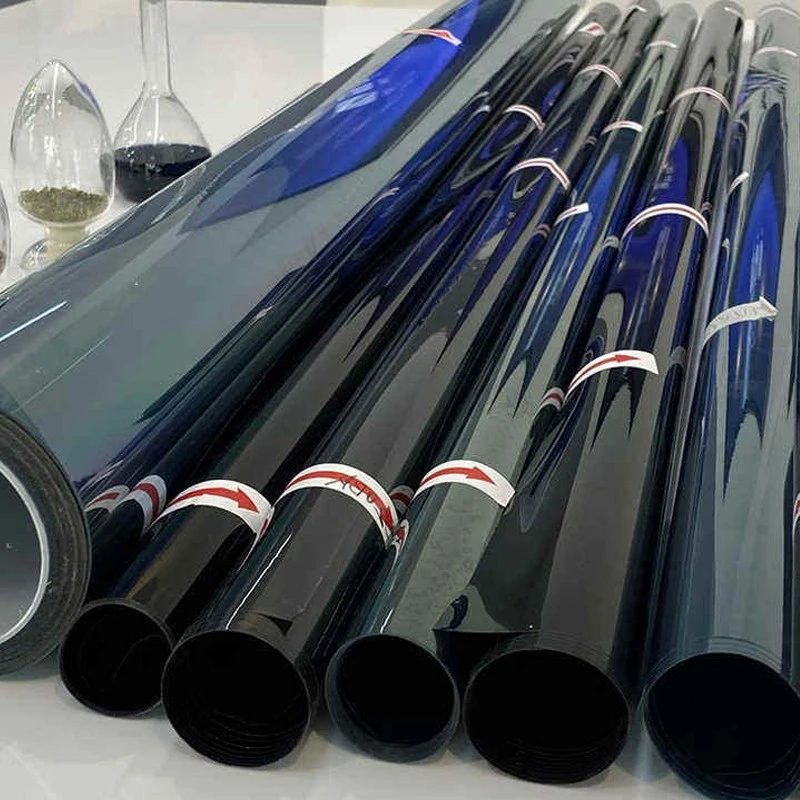
Automotive window tint film is designed to block or absorb a portion of the solar radiation that enters a car through the windows. Different types of window tint films use various technologies to achieve this.
Reflective Films
Reflective window tint films work by reflecting a significant portion of the solar radiation back out of the car. These films contain a thin layer of metal or other reflective materials that bounce the sunlight away from the vehicle. By reflecting the IR radiation, which is the primary source of heat, reflective films can significantly reduce the amount of heat that enters the car.
Absorptive Films
Absorptive window tint films, on the other hand, absorb the solar radiation rather than reflecting it. These films are typically made with dyes or pigments that can absorb specific wavelengths of light, including IR radiation. Once the radiation is absorbed, the film dissipates the heat through conduction and convection. While absorptive films can reduce the heat entering the car, they may also heat up themselves, which can then transfer some of the heat back into the interior.
Ceramic Films
Ceramic window tint films are a relatively new type of film that combines the best of both reflective and absorptive technologies. These films use ceramic particles that can block a high percentage of IR radiation while also allowing a high level of visible light transmission. Ceramic films are known for their excellent heat rejection properties, as well as their durability and resistance to fading.
The Impact on Interior Temperature
Numerous studies have shown that automotive window tint film can have a significant impact on a car's interior temperature. On a hot sunny day, a car without window tint can reach extremely high temperatures, often exceeding 130°F (54°C) in the interior. This can make the car uncomfortable to enter and can also cause damage to the interior materials over time.
When window tint film is applied, it can reduce the amount of solar radiation entering the car, which in turn lowers the interior temperature. Depending on the type and quality of the window tint film, the temperature reduction can range from 10°F to 30°F (5°C to 17°C). This not only makes the car more comfortable for passengers but also reduces the strain on the car's air conditioning system.
By reducing the interior temperature, window tint film can also improve the energy efficiency of the car. When the air conditioning system doesn't have to work as hard to cool the interior, it uses less fuel, which can result in cost savings over time. Additionally, the reduced heat can help extend the lifespan of the car's interior materials, as they are less likely to fade or crack due to excessive heat exposure.
Choosing the Right Window Tint Film
As an automotive window tint film supplier, I understand that choosing the right film for your car can be a daunting task. There are several factors to consider, including the level of heat rejection, visible light transmission, durability, and legal requirements.
Heat Rejection
The heat rejection rate is one of the most important factors to consider when choosing a window tint film. This rate indicates the percentage of solar heat that the film can block. Generally, the higher the heat rejection rate, the more effective the film will be at reducing the interior temperature of the car. However, it's important to note that higher heat rejection rates may also result in lower visible light transmission.
Visible Light Transmission (VLT)
Visible light transmission refers to the percentage of visible light that can pass through the window tint film. A higher VLT means that more light can enter the car, which can improve visibility. However, a lower VLT can provide more privacy and better heat rejection. It's important to find a balance between VLT and heat rejection that suits your needs and preferences.
Durability
The durability of the window tint film is also an important consideration. You want a film that will last for several years without peeling, fading, or bubbling. Look for films that are made with high-quality materials and have a good warranty.
Legal Requirements
Before choosing a window tint film, it's important to check the legal requirements in your area. Different states and countries have different laws regarding the allowable VLT for car windows. Make sure you choose a film that complies with the local regulations to avoid any legal issues.
Our Product Recommendations
At our company, we offer a wide range of automotive window tint films to meet the needs of different customers. One of our popular products is the Summer Heat Rejection Window Tint - Premium UV Protection Film for Car. This film is designed to provide excellent heat rejection and UV protection while maintaining a high level of visible light transmission. It's made with advanced ceramic technology, which ensures long-lasting durability and performance.
We also offer a variety of Window Tint options, including reflective, absorptive, and ceramic films. Whether you're looking for maximum heat rejection or a more subtle look, we have a film that's right for you. And if you're specifically interested in Car Tint, we have a range of products that are designed to fit different car models and styles.
Contact Us for a Quote
If you're interested in learning more about our automotive window tint films or would like to get a quote for your car, please don't hesitate to contact us. Our team of experts is available to answer any questions you may have and help you choose the right film for your needs. We offer professional installation services to ensure that your window tint is installed correctly and looks great.
Investing in automotive window tint film is a smart decision that can improve the comfort, energy efficiency, and appearance of your car. Contact us today to start enjoying the benefits of window tinting.
References
- "The Effects of Window Tinting on Vehicle Interior Temperatures" - Journal of Automotive Engineering
- "Solar Radiation and Heat Transfer in Vehicles" - International Journal of Thermal Sciences
- "Advances in Automotive Window Tint Technology" - Automotive Technology Review