

As a supplier of UV blocking film, I've often been asked about its various impacts on window performance. One question that frequently comes up is how UV blocking film affects the sound insulation of windows. In this blog, I'll delve into this topic, exploring the scientific aspects and practical implications.
Understanding UV Blocking Film
UV blocking film is a thin, transparent layer that is applied to windows. Its primary function is to block ultraviolet (UV) rays, which can cause damage to furniture, flooring, and other interior items over time. These films are made from various materials, such as polyester, with special coatings that absorb or reflect UV radiation.
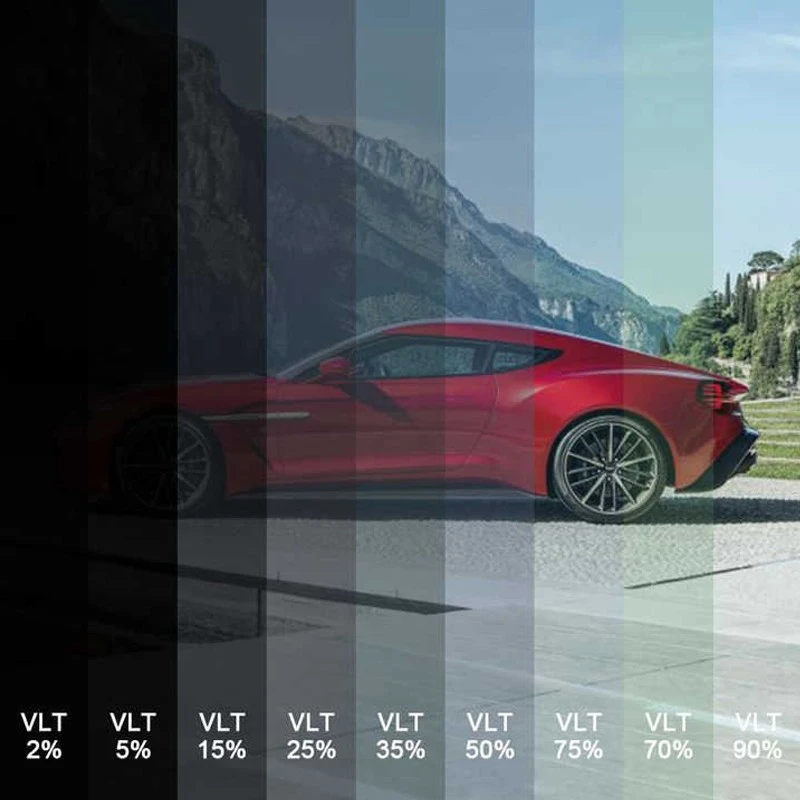

There are different types of UV blocking films available in the market. Some are designed specifically for residential windows, while others are suitable for commercial buildings or even vehicles. For example, our Car Protection Film Self Healing is a high - quality option for automotive applications, which not only blocks UV but also offers self - healing properties to protect the car's paint.
The Basics of Sound Insulation in Windows
Sound insulation in windows is determined by several factors. The thickness of the glass is a crucial one. Generally, thicker glass provides better sound insulation because it can absorb and dampen more sound waves. The type of glass also matters. Laminated glass, which consists of two or more layers of glass bonded together with a plastic interlayer, is known for its excellent sound - insulating properties.
The window frame also plays a role. A well - sealed frame made of materials like vinyl or wood can prevent sound from leaking through the gaps around the window. Additionally, the airspace between multiple panes of glass in double - or triple - glazed windows acts as an insulator, reducing the transmission of sound.
How UV Blocking Film Interacts with Sound Insulation
When it comes to the impact of UV blocking film on sound insulation, there are a few ways in which it can make a difference.
1. Added Mass
One of the main ways UV blocking film can enhance sound insulation is by adding mass to the window. Just like thicker glass, the additional layer of the film can help absorb and dampen sound waves. When sound waves hit the window, the film adds an extra barrier that they have to pass through. This extra layer can reduce the amplitude of the sound waves, resulting in less sound being transmitted into the interior space.
However, it's important to note that the amount of mass added by the film is relatively small compared to the mass of the glass itself. So, while it can have a minor positive impact on sound insulation, it's not going to turn a poorly insulated window into a sound - proof one.
2. Damping Effect
The film can also have a damping effect on the vibration of the glass. When sound waves hit the window, they cause the glass to vibrate. These vibrations can then be transmitted as sound into the room. The UV blocking film can act as a damping material, reducing the amplitude of the glass vibrations. This is especially true for films with viscoelastic properties, which can absorb and dissipate the energy of the vibrations.
3. Sealing Gaps
In some cases, the application of UV blocking film can help seal small gaps around the edges of the window. If there are tiny cracks or openings where sound can leak through, the film can cover these areas and prevent sound from entering. This is more of an indirect effect on sound insulation but can still contribute to overall noise reduction.
Case Studies and Research Findings
Several studies have been conducted to evaluate the impact of window films on sound insulation. While most of these studies focus on solar control films in general, the findings can be relevant to UV blocking films as well.
A research project at a university compared the sound insulation of windows with and without window films. The results showed that windows with the film had a slight improvement in sound insulation, especially in the mid - frequency range. This is consistent with the theory that the film adds mass and has a damping effect on the glass.
In a real - world scenario, a commercial building that installed UV blocking film on its windows reported a reduction in external noise levels. The employees noticed a more peaceful working environment, and the overall comfort in the building increased.
Limitations of UV Blocking Film for Sound Insulation
It's important to be realistic about the limitations of UV blocking film when it comes to sound insulation. As mentioned earlier, the film can only provide a minor improvement. If you're dealing with high - level noise sources, such as a busy highway or an airport, the film alone may not be sufficient to achieve the desired level of sound reduction.
In such cases, more comprehensive solutions like upgrading to double - or triple - glazed windows or using specialized sound - insulating glass may be necessary. However, for moderate noise levels, such as street noise or neighborhood chatter, the addition of UV blocking film can be a cost - effective way to improve sound insulation.
Other Benefits of UV Blocking Film
Apart from its potential impact on sound insulation, UV blocking film offers many other benefits. It can significantly reduce the amount of UV radiation entering a building, protecting furniture, artwork, and flooring from fading and damage. This can save a lot of money in the long run by extending the lifespan of these items.
Our Solar Film Window Tint is not only effective at blocking UV but also helps to reduce solar heat gain. This can lower the energy consumption of air - conditioning systems, resulting in cost savings on energy bills.
For automotive applications, our Self Healing Protective Film for Cars not only blocks UV but also protects the car's paint from scratches and chips. It can keep the car looking new for longer and increase its resale value.
Conclusion
In conclusion, UV blocking film can have a positive but relatively minor impact on the sound insulation of windows. It adds mass, has a damping effect on glass vibrations, and can seal small gaps, all of which contribute to reducing the transmission of sound. However, it's not a substitute for proper window design and high - quality materials when it comes to achieving excellent sound insulation.
If you're looking for a way to improve the comfort of your home or office by reducing noise and protecting your interior from UV damage, UV blocking film can be a great option. Whether you're a homeowner, a business owner, or an automotive enthusiast, our range of UV blocking films can meet your needs.
If you're interested in learning more about our products or would like to discuss a potential purchase, please feel free to reach out. We're always happy to provide detailed information and assist you in finding the right solution for your specific requirements.
References
- University of [University Name] Research Report on Window Films and Sound Insulation
- Commercial Building Case Study on UV Blocking Film Installation
- Industry Publications on Window Film Technology and Applications