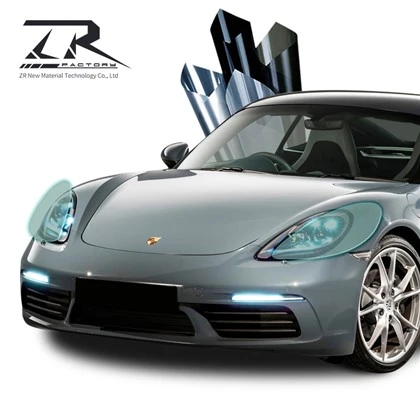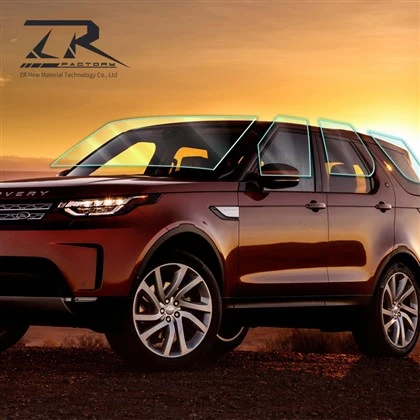


As a provider of automotive window tint film, I've witnessed firsthand the growing popularity of this aftermarket accessory. Window tint not only enhances privacy and aesthetic appeal but also offers protection from harmful UV rays and reduces heat inside the vehicle. However, like any product, automotive window tint film comes with its own set of disadvantages. In this blog, I'll delve into some of the potential drawbacks of using automotive window tint film.
1. Legal Restrictions
One of the most significant disadvantages of using automotive window tint film is the legal restrictions that vary from state to state and country to country. Different regions have specific laws regarding the allowable tint darkness on vehicle windows. For instance, in some areas, the front windshield may not be tinted at all, while others allow a certain percentage of visible light transmission (VLT). If you install window tint that violates these laws, you could face fines, citations, or even have to remove the tint. It's crucial to research and understand the local regulations before applying window tint to your vehicle.
For more information on legal window tint options, you can visit our Legal Car Window Tint Film - High Heat Rejection Ceramic Tint For Automotive Use page.
2. Reduced Visibility
Another drawback of window tint film is the potential reduction in visibility, especially at night or in low-light conditions. Darker tints can make it more difficult to see out of the vehicle, which can be a safety hazard. This reduced visibility can affect your ability to detect pedestrians, cyclists, and other vehicles on the road. Additionally, it can make it challenging to read road signs and navigate in unfamiliar areas.
To mitigate this issue, it's important to choose a tint with an appropriate VLT that provides sufficient visibility while still offering the desired benefits. Our Window Tint products are available in a range of VLT options to meet different needs and preferences.
3. Installation Challenges
Proper installation of window tint film is crucial to ensure a smooth and long-lasting finish. However, installing window tint can be a challenging and time-consuming process, especially for those without experience. Improper installation can result in bubbles, creases, or peeling, which not only looks unsightly but can also affect the performance of the tint.
To avoid these issues, it's recommended to have your window tint installed by a professional. Our team of experienced installers has the skills and expertise to ensure a flawless installation. If you're interested in our installation services, please contact us for more information.
4. Heat Buildup
While window tint film is designed to reduce heat inside the vehicle, in some cases, it can actually contribute to heat buildup. This is especially true for low-quality tints that absorb rather than reflect heat. When the tint absorbs heat, it can transfer it into the vehicle, making the interior even hotter.
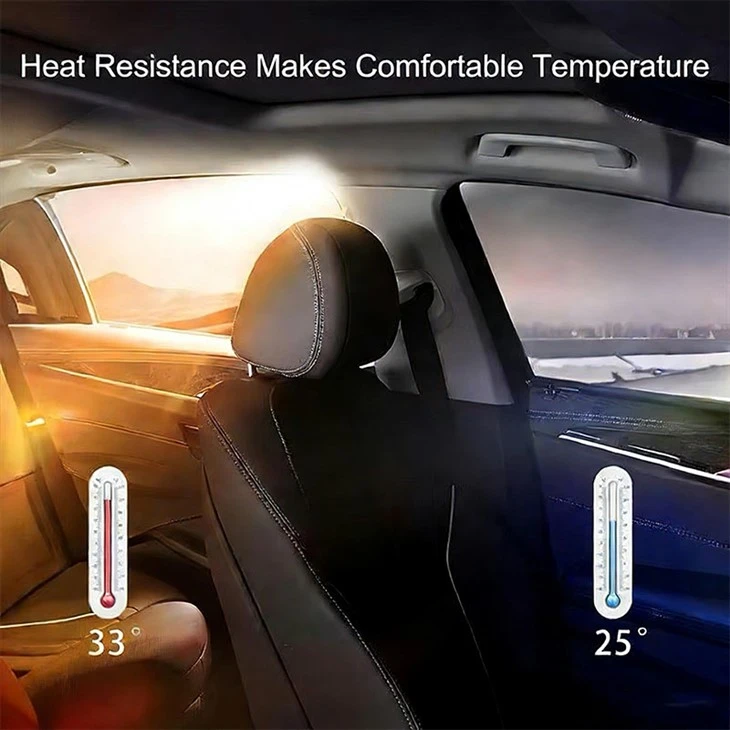
To prevent heat buildup, it's important to choose a high-quality window tint with excellent heat rejection properties. Our High Heat Rejection Car Window Tint is specifically designed to block a significant amount of heat, keeping your vehicle cool and comfortable.
5. Cost
Automotive window tint film can be a significant investment, especially if you choose a high-quality product. The cost of window tint can vary depending on the type of tint, the size of the vehicle, and the installation method. Additionally, if you need to have the tint removed or replaced due to damage or legal issues, it can add to the overall cost.
While the initial cost of window tint may seem high, it's important to consider the long-term benefits. Window tint can help protect your vehicle's interior from fading and cracking, reduce energy consumption by keeping the interior cool, and enhance your privacy and security.
6. Maintenance and Durability
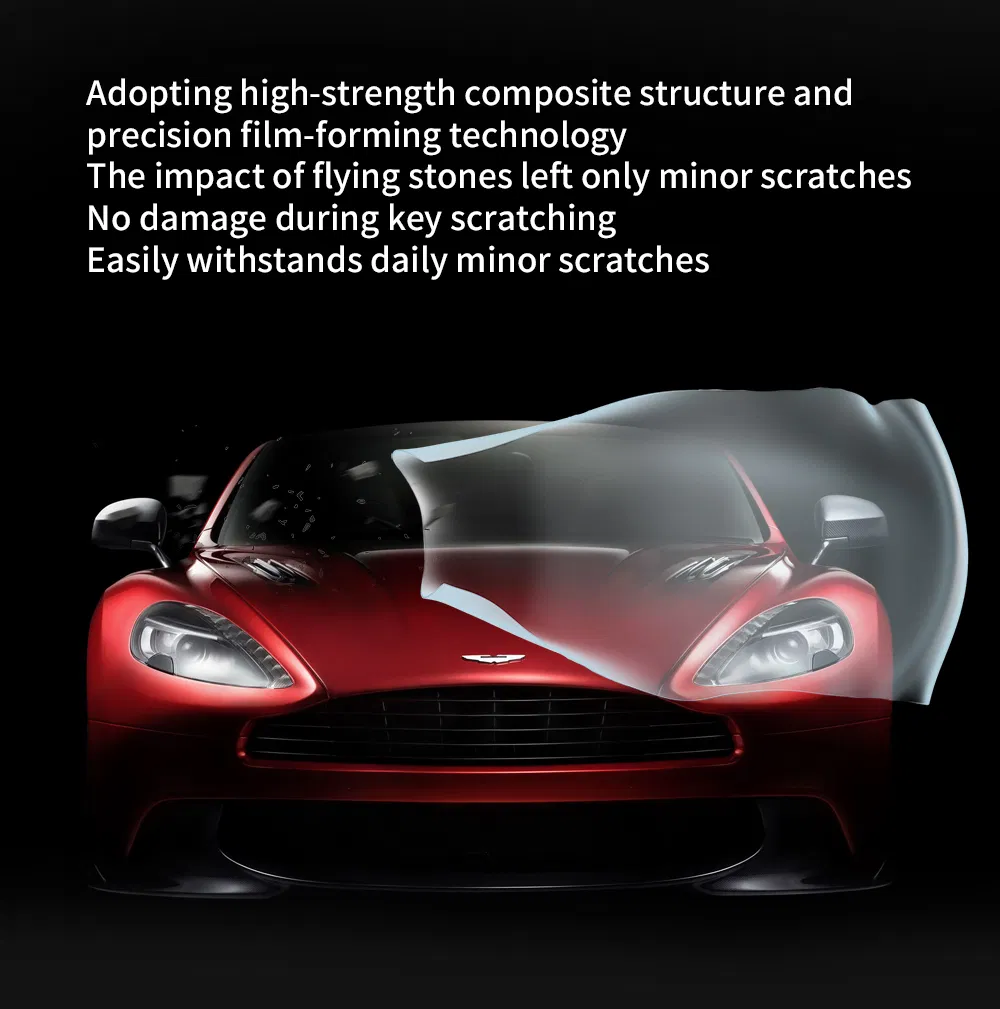
Window tint film requires regular maintenance to ensure its longevity and performance. Over time, the tint can become scratched, faded, or peeled, especially if it's exposed to harsh weather conditions or abrasive materials. To maintain the appearance and functionality of your window tint, it's important to clean it regularly using a mild soap and water solution and avoid using abrasive cleaners or tools.
In addition to regular maintenance, the durability of window tint film can also be affected by the quality of the product. Low-quality tints may not last as long as high-quality tints and may require more frequent replacement. Our window tint products are made from high-quality materials and are designed to withstand the test of time.
7. Potential for Damage to Electronics
Some window tint films contain metallic particles that can interfere with electronic signals, such as those used by GPS systems, cell phones, and keyless entry systems. This interference can cause signal loss or reduced performance, which can be frustrating and inconvenient.
To avoid this issue, it's important to choose a window tint that is specifically designed to be compatible with electronic devices. Our window tint products are tested to ensure that they do not interfere with electronic signals, providing you with peace of mind.
Conclusion
While automotive window tint film offers many benefits, it's important to be aware of the potential disadvantages before making a decision. Legal restrictions, reduced visibility, installation challenges, heat buildup, cost, maintenance, and potential damage to electronics are all factors that should be considered.
As a provider of automotive window tint film, we're committed to helping our customers make informed decisions. Our team of experts can provide you with more information about our products and services and help you choose the right window tint for your vehicle. If you're interested in learning more about our window tint options or have any questions, please contact us to schedule a consultation. We look forward to working with you to enhance the comfort, privacy, and style of your vehicle.
References
- "Automotive Window Tint Laws by State." National Conference of State Legislatures.
- "Window Tint: Benefits and Drawbacks." Consumer Reports.
- "How to Choose the Right Window Tint for Your Car." Edmunds.