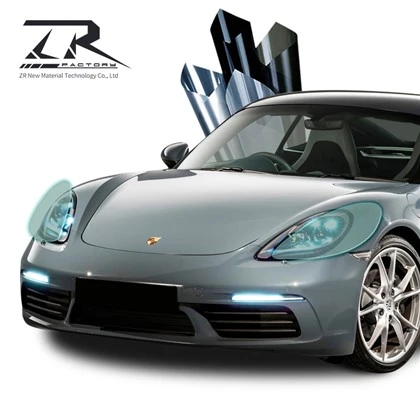


As a leading supplier of car window solar film tint, I often encounter customers who are confused about the different types of films available in the market. Among the most popular options are ceramic and carbon car window solar film tints. In this blog, I will delve into the key differences between these two types of films, helping you make an informed decision when choosing the right one for your vehicle.
Composition and Structure
Ceramic Car Window Solar Film Tint
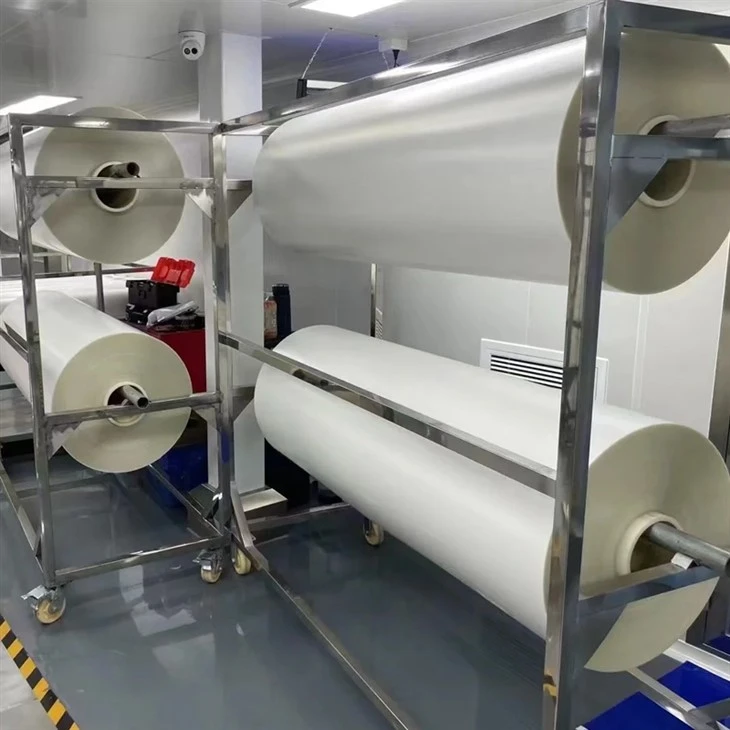
Ceramic car window solar film tint is made from nano - ceramic particles. These particles are extremely small, typically in the nanometer range. The unique characteristic of ceramic particles is their non - metallic nature. They are embedded within multiple layers of a polyester film structure. The multi - layer construction provides a robust and stable design. Each layer is precisely engineered to perform a specific function, such as blocking different wavelengths of light, enhancing scratch resistance, and improving the film's overall durability.
Carbon Car Window Solar Film Tint
Carbon car window solar film tint, on the other hand, incorporates carbon particles. These carbon particles can come in different forms, like carbon black or activated carbon. Similar to ceramic films, carbon films are also constructed with multiple layers. The carbon particles are dispersed evenly throughout the film, creating a dense and uniform layer that contributes to the film's performance.
Heat Rejection
Ceramic Film
One of the most significant advantages of ceramic car window solar film tint is its exceptional heat rejection capabilities. The nano - ceramic particles are highly effective at blocking infrared (IR) radiation, which is the primary source of heat from the sun. These particles absorb and reflect a large portion of the IR rays, preventing them from entering the vehicle's interior. As a result, the temperature inside the car remains significantly lower compared to a car without tint or with a less - effective tint. This not only enhances the comfort of the passengers but also reduces the load on the vehicle's air - conditioning system, potentially saving fuel.
Carbon Film
Carbon films also offer good heat rejection. The carbon particles have a natural ability to absorb and dissipate heat. They work by absorbing the infrared energy and then releasing it through the film's surface. While carbon films are effective at reducing heat, they generally do not perform as well as ceramic films in terms of overall heat rejection. However, they still provide a noticeable improvement in the interior temperature of the vehicle.
Visibility
Daytime Visibility
During the day, both ceramic and carbon car window solar film tints offer good visibility. Ceramic films are known for their high optical clarity. The non - metallic nature of the ceramic particles means that they do not cause any interference with radio signals or other electronic devices. This also results in a clear, distortion - free view through the window. Carbon films also provide clear visibility. The carbon particles do not create a hazy or tinted look that could impede the driver's view. Instead, they offer a natural, darkening effect that enhances the aesthetics of the vehicle without sacrificing visibility.
Nighttime Visibility
At night, ceramic films maintain their high - quality visibility. Their advanced technology ensures that there is minimal glare from oncoming headlights or streetlights. This is crucial for safe driving, as it allows the driver to have a clear view of the road. Carbon films also perform well at night, but in some cases, very dark carbon tints may slightly reduce visibility. It is important to choose an appropriate shade of carbon tint to ensure optimal visibility during nighttime driving.
Durability and Longevity
Ceramic Film
Ceramic car window solar film tint is highly durable. The multi - layer construction and the use of high - quality ceramic particles make the film resistant to scratches, fading, and peeling. It can withstand harsh environmental conditions, such as extreme heat, cold, and UV radiation, without losing its performance or appearance. A well - installed ceramic film can last for many years, providing long - term protection and value for your vehicle.
Carbon Film
Carbon films are also relatively durable. The carbon particles contribute to the film's strength and resistance to wear. However, compared to ceramic films, carbon films may be slightly more prone to fading over time, especially if they are exposed to prolonged sunlight. With proper care and maintenance, a carbon film can still last for a significant period, but it may require replacement sooner than a ceramic film.
Aesthetics
Ceramic Film
Ceramic films offer a sleek and sophisticated appearance. They provide a uniform, dark tint that enhances the overall look of the vehicle. The non - metallic nature of ceramic films means that they do not have a shiny or reflective appearance, which can be a drawback for some traditional metal - based tints. Instead, they give the vehicle a more understated and elegant look.
Carbon Film
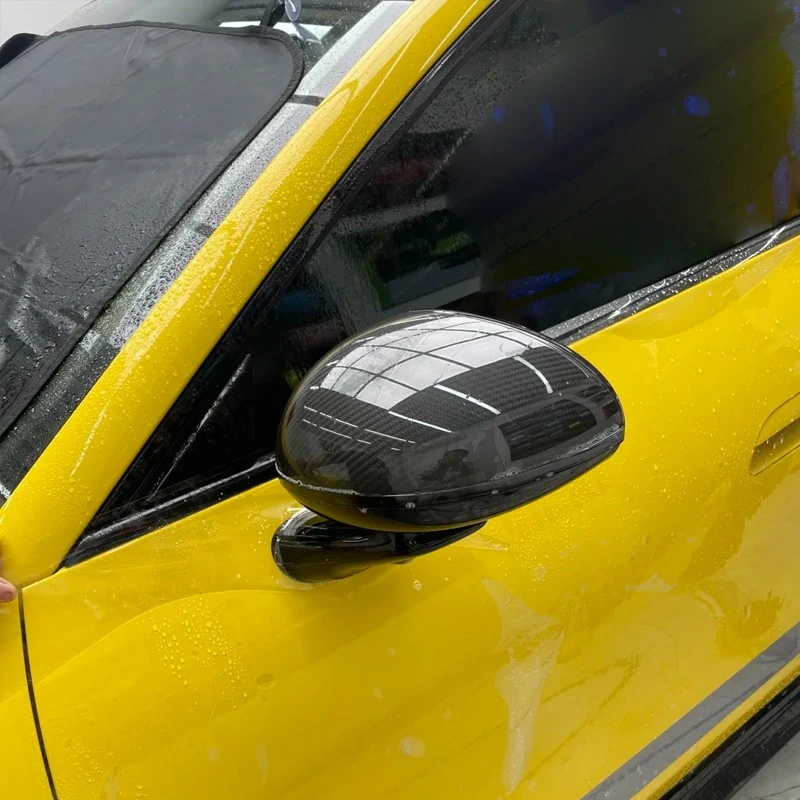
Carbon films are known for their deep, rich color. They can create a more dramatic and sporty look for the vehicle. The dark, matte finish of carbon films is popular among car enthusiasts who want to give their cars a unique and stylish appearance.
Cost
Ceramic Film
Ceramic car window solar film tint is generally more expensive than carbon film. The high - tech manufacturing process, the use of nano - ceramic particles, and the superior performance characteristics all contribute to the higher cost. However, considering its long - term durability and excellent heat rejection capabilities, many customers find that the investment in a ceramic film is well worth it.
Carbon Film
Carbon films are more budget - friendly. They offer a good balance between performance and cost, making them a popular choice for customers who want to improve the comfort and appearance of their vehicles without breaking the bank.
Additional Products
As a car window solar film tint supplier, we also offer a range of related products. For those interested in protecting their car's paint, we recommend our Lead Paint Protection Film for You and Self Healing Paint Protection Film. These films can safeguard your car's paint from scratches, chips, and environmental damage. Our Premium Clear PPF For Cars is another excellent option for those who want a high - quality paint protection solution.
Conclusion
In conclusion, the choice between ceramic and carbon car window solar film tint depends on your specific needs and preferences. If you are looking for the best heat rejection, high - end durability, and excellent optical clarity, ceramic film is the way to go. However, if you are on a budget and still want to achieve good heat reduction and a stylish appearance, carbon film is a great option.
If you are interested in purchasing car window solar film tint or any of our other products, we welcome you to contact us for a quote and to discuss your requirements. Our team of experts is ready to assist you in finding the perfect solution for your vehicle.
References
- Smith, J. (2022). The Science of Car Window Tints. Automotive Technology Journal.
- Johnson, R. (2021). Comparing Heat Rejection in Different Types of Car Window Films. Environmental Science in Automobiles.
- Brown, A. (2020). Durability and Longevity of Car Window Tints. Vehicle Maintenance and Protection Magazine.